Comfy Bedroom Ideas to Create a Cozy, Functional Sanctuary
You can turn your bedroom into a calm, comfy place that helps you relax and sleep better every night. This article shows simple, practical ideas you can use—like bedding choices, lighting, curtains, decluttering, and small-space tips—to make your room feel warm and restful.
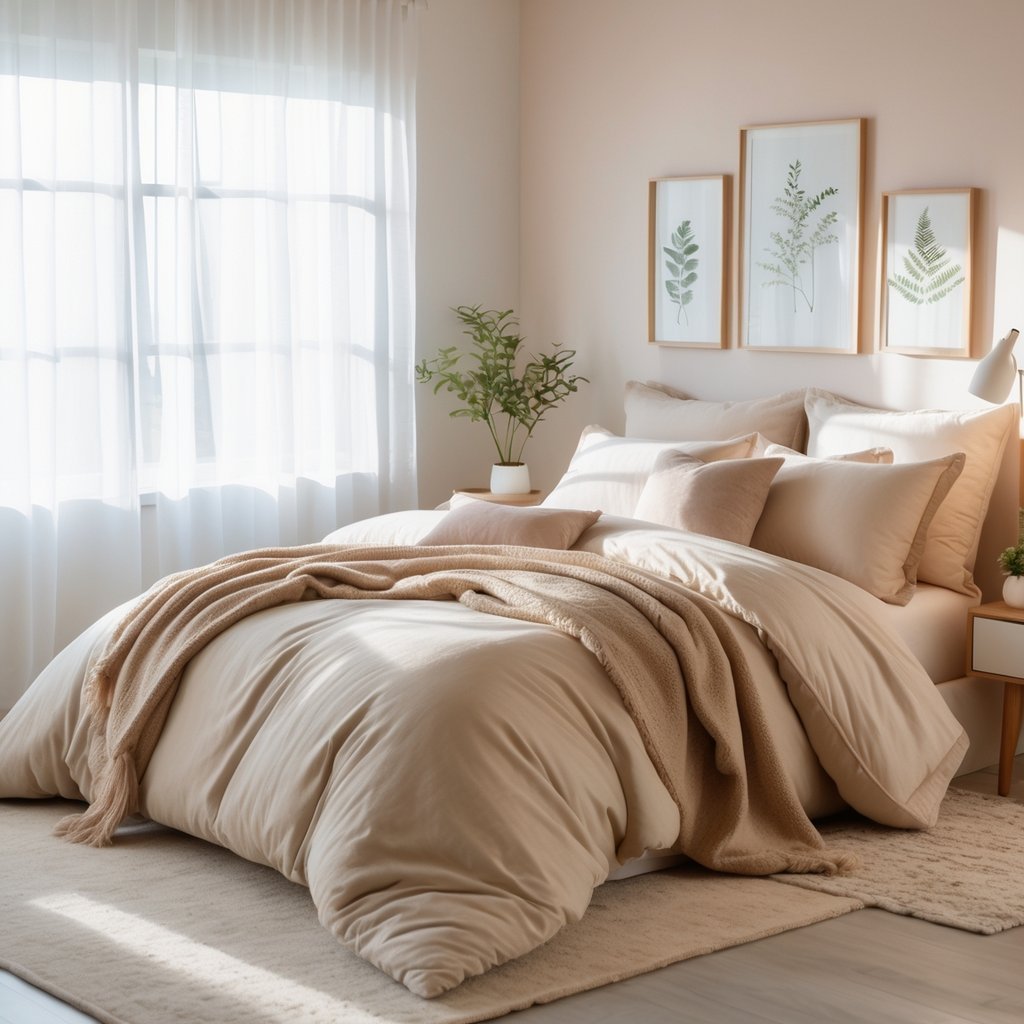
You’ll find clear steps for layering soft bedding, picking ambient lights, blocking daylight, choosing a supportive mattress, and adding rugs and colors that soothe. Use these ideas to create a cozy space that fits your needs and makes unwinding easier.
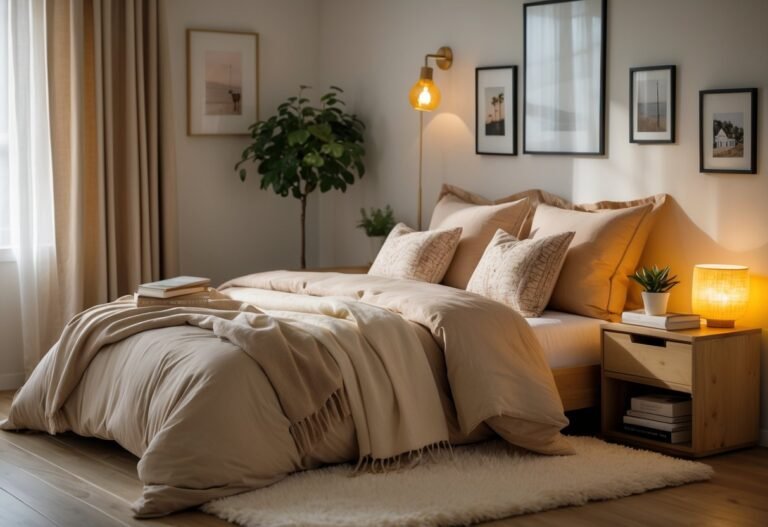
1) Layer soft, textured bedding with quilts, throws, and multiple pillows
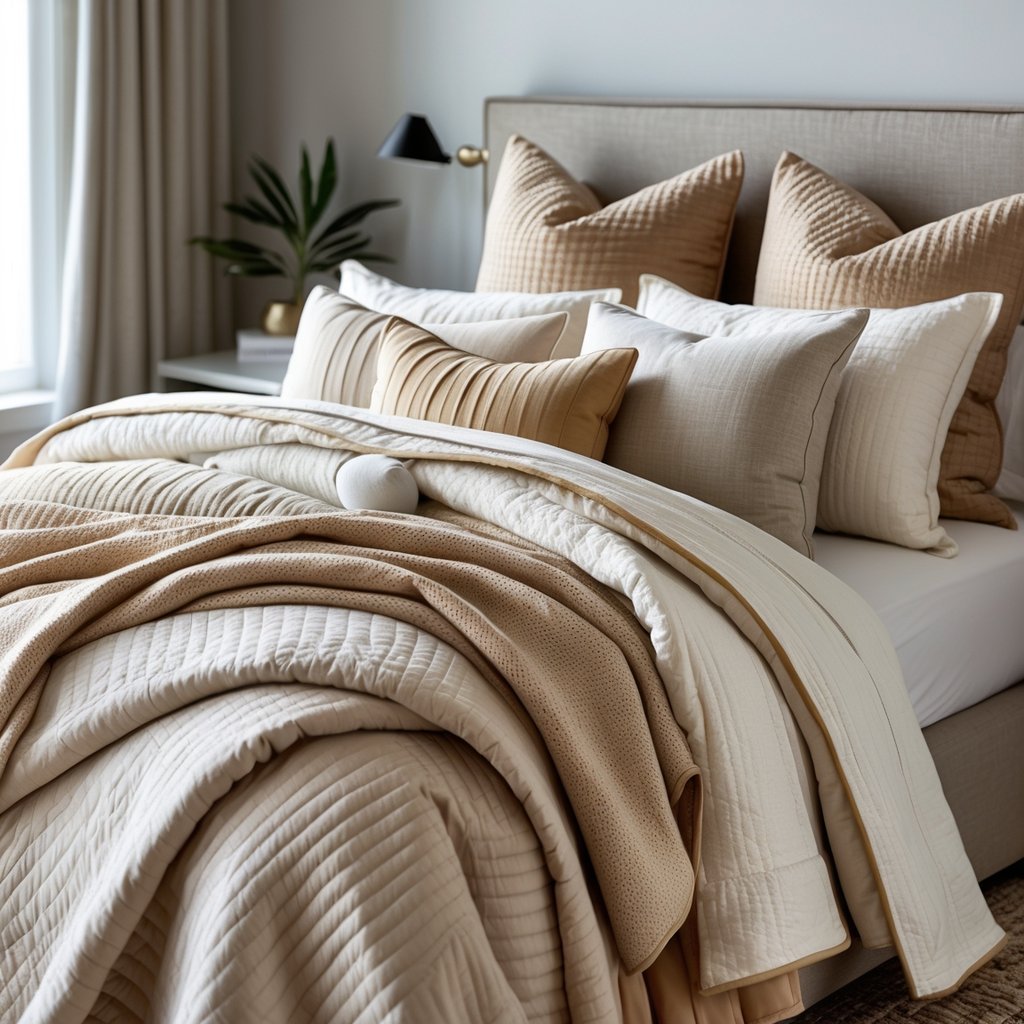
Layer a fitted sheet, quilt, and a lightweight throw to add warmth without bulk. Mix textures like waffle, knit, and cotton to give your bed depth and a lived-in feel.
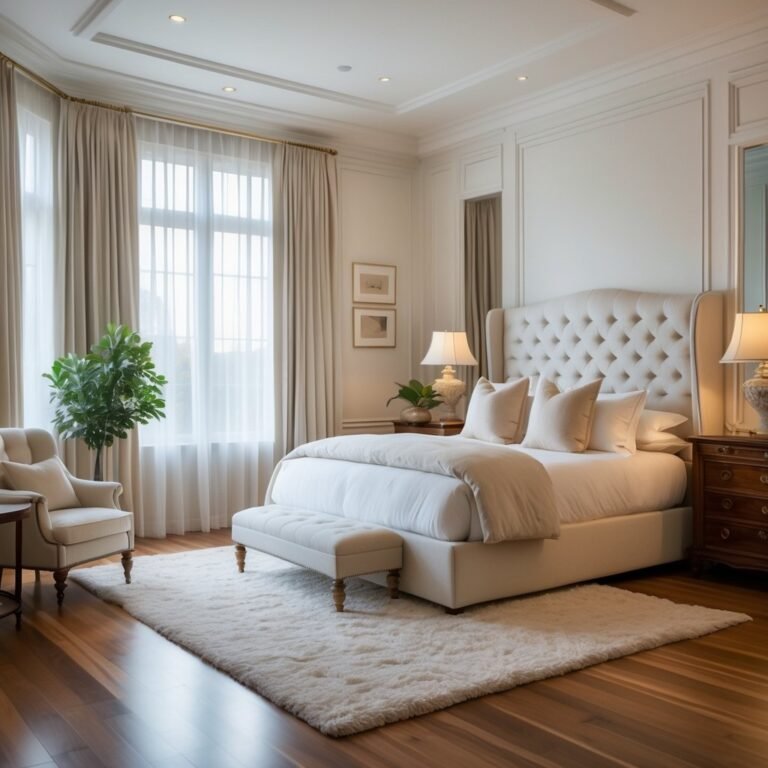
Add two Euro shams or large pillows at the back for height, then stack standard pillows and one or two decorative cushions. Choose a soft, neutral palette so layers read calm and cohesive.
2) Install ambient lighting using dimmable lamps or fairy lights
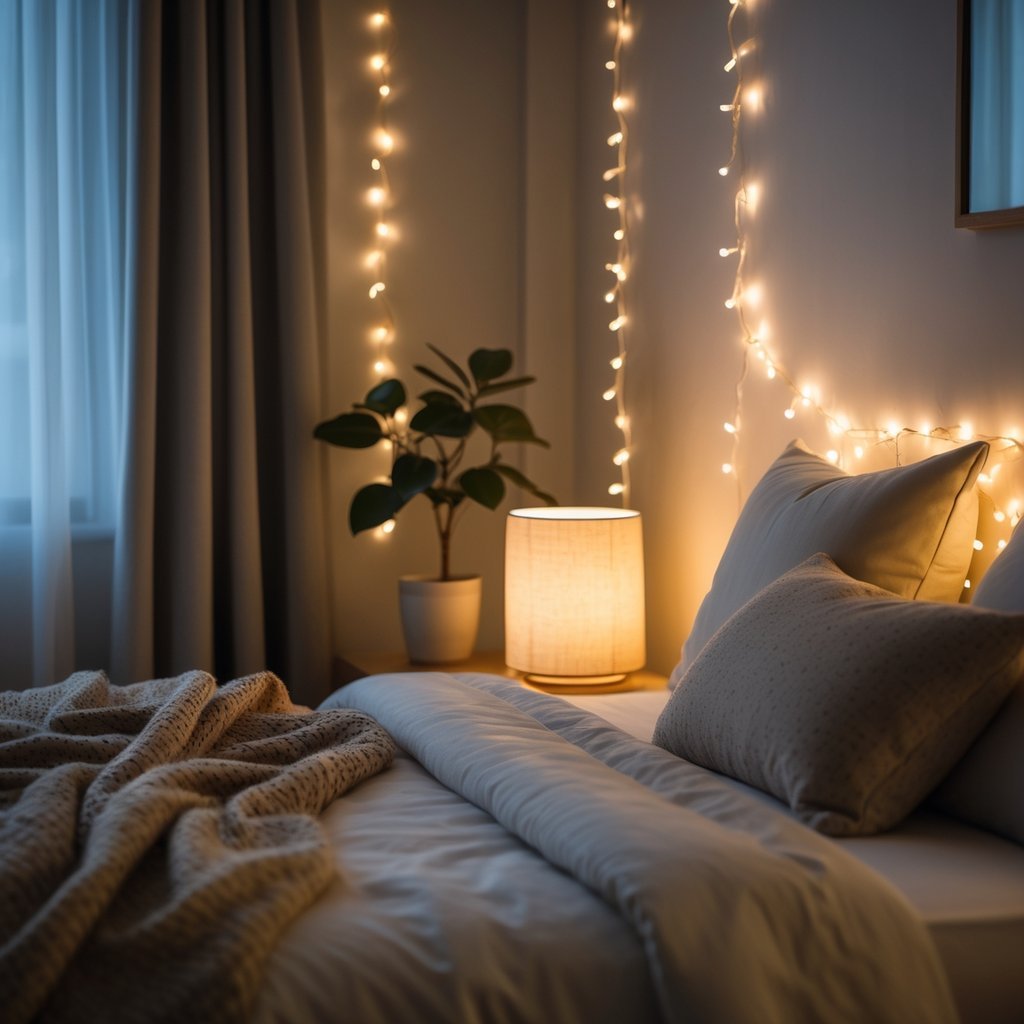
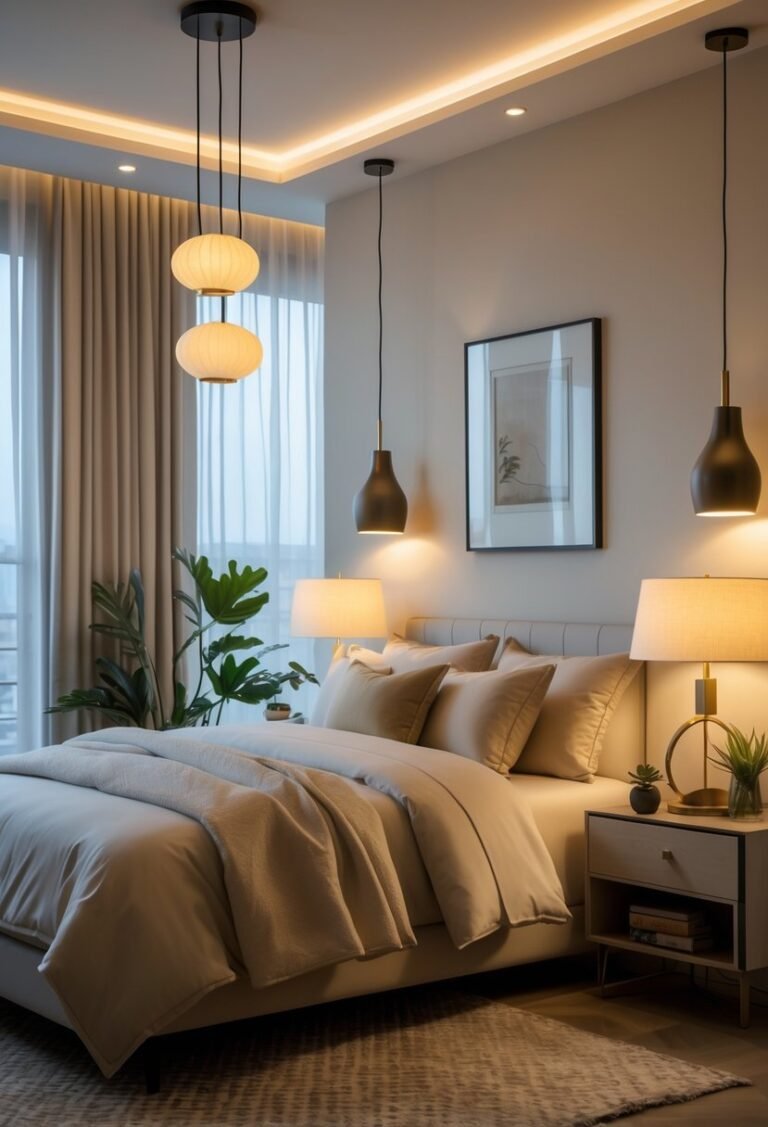
Choose dimmable lamps to give you control over mood and brightness. You can lower light for reading or raise it for getting ready.
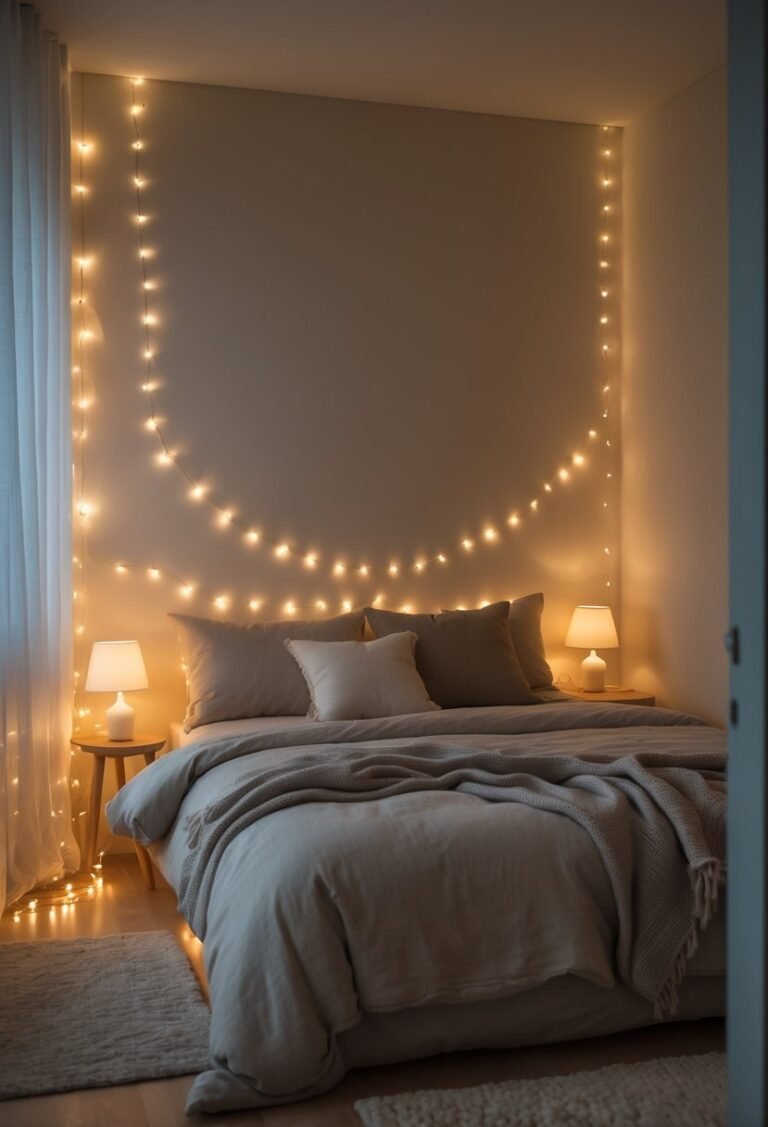
String fairy lights add soft, warm glow and work well around headboards or canopies. Use battery or low-voltage LED options for safety and low heat.
Place lights on different levels—table lamps, floor lamps, and wall accents—to create depth. Mix warm bulbs and dimmers for a calm, cozy bedroom.
3) Use light-blocking curtains to ensure restful sleep
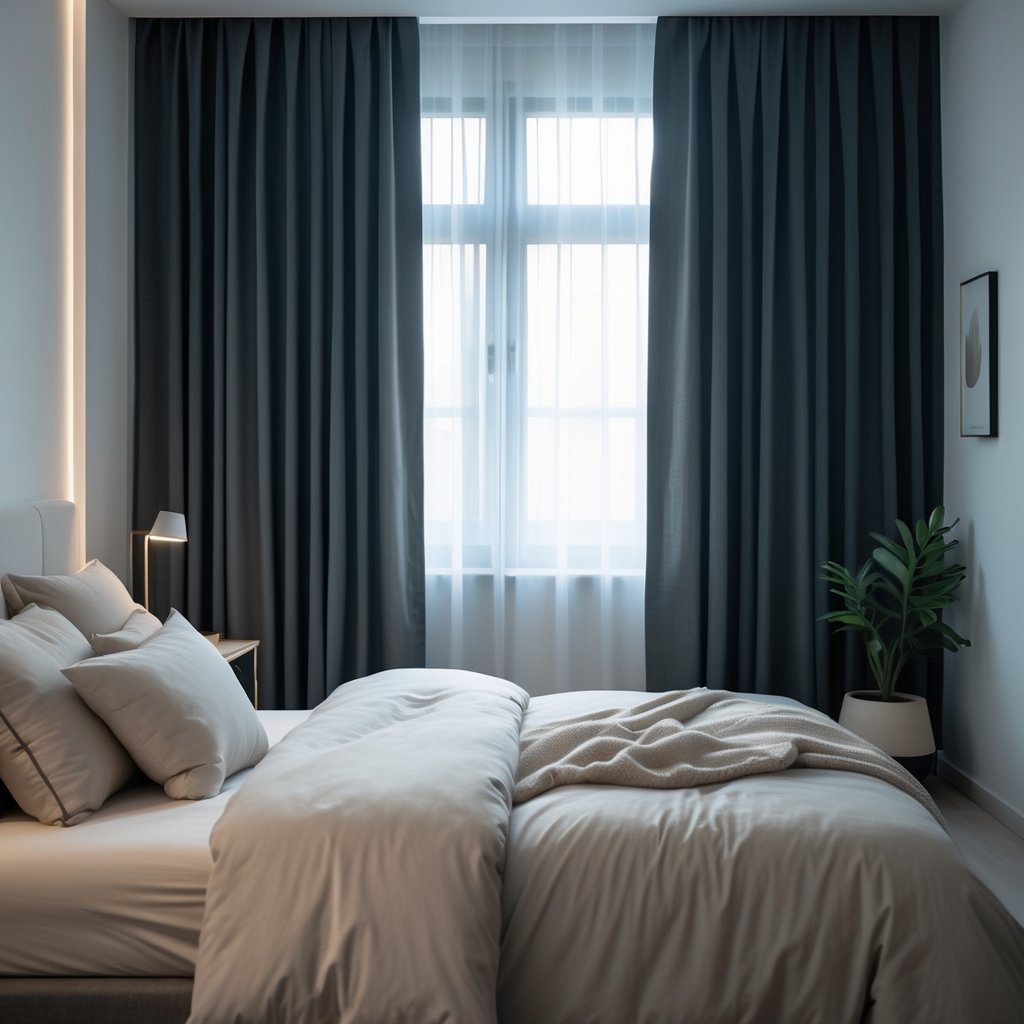
Choose blackout curtains to cut outside light and reduce morning glare. They help you fall asleep faster and stay asleep longer without bright interruptions.
Pick fabrics like heavy polyester or layered liners for the best blockage. Also check length and width so curtains cover the whole window and seal light at the edges.
Mount a rod above the frame and hang curtains to touch the floor. This small change improves darkness and can lower noise and room drafts.
4) Declutter to maintain a spacious and calming environment
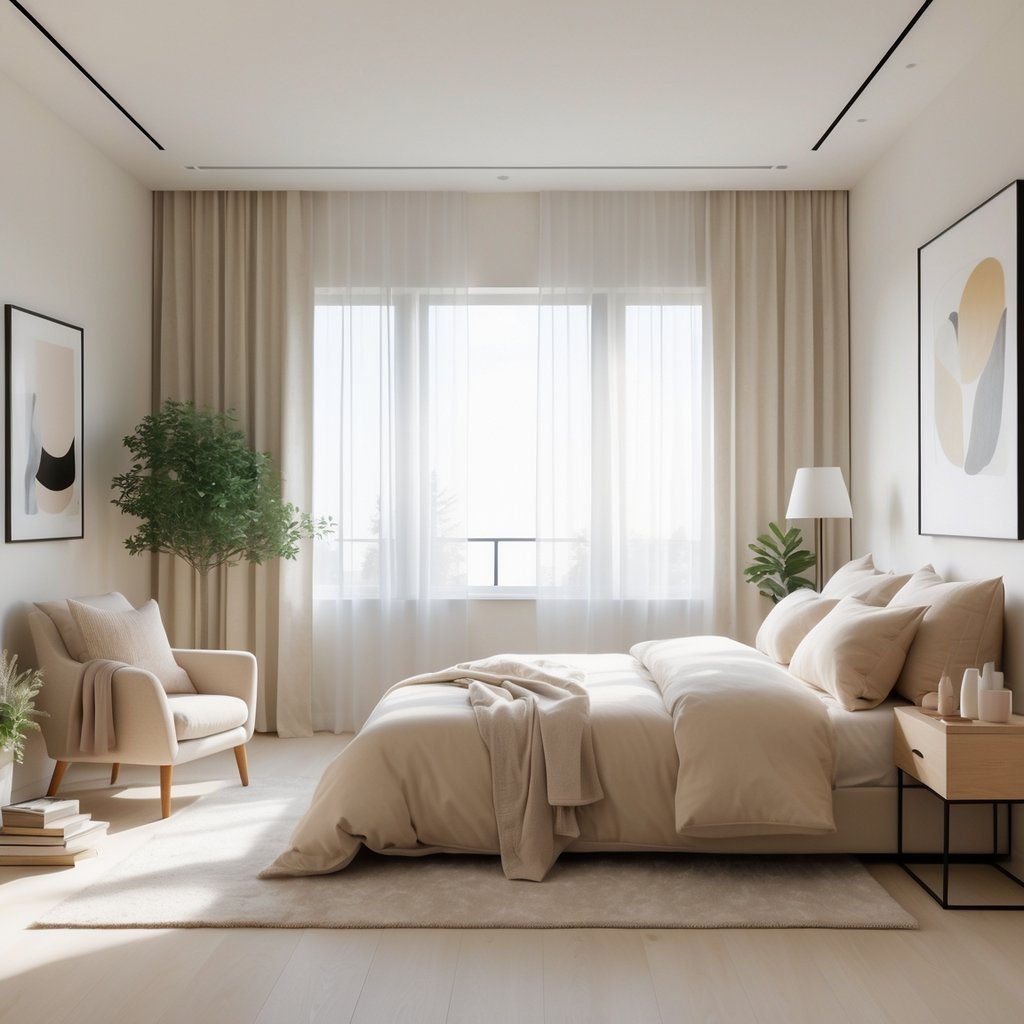
Keep only items you use or love. Clear surfaces and floor space to make your room feel larger and calmer.
Sort clothes, books, and extras into keep, donate, and discard piles. Use boxes or bins for items you need but don’t use daily.
Add simple storage like under-bed bins or a single dresser drawer for small items. Regularly revisit what you own to prevent clutter from returning.
5) Choose a comfy mattress like Tempur-Pedic or Nectar for optimal rest
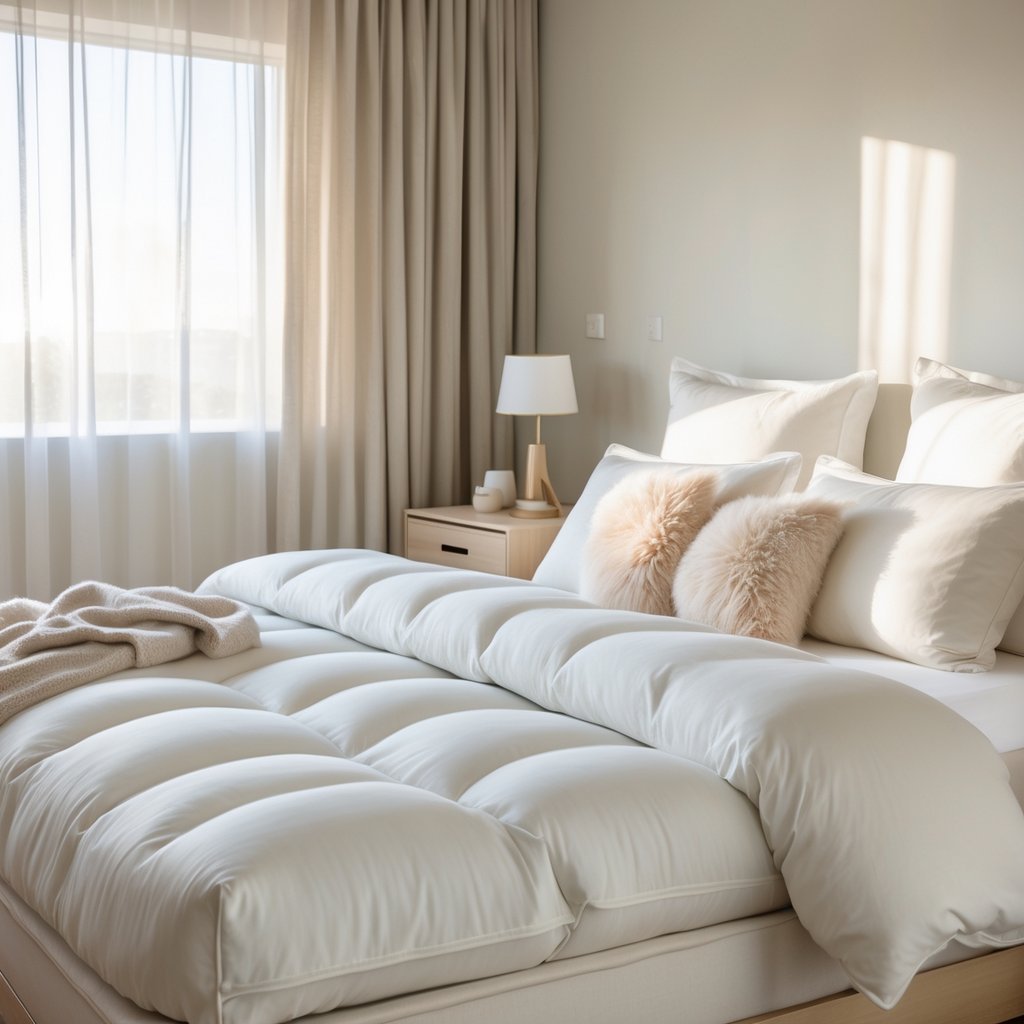
Pick a mattress that matches your sleep style and body weight. Tempur-Pedic uses dense memory foam that contours closely; Nectar offers a softer, budget-friendly memory foam feel.
Test both if you can. Try a mattress in-store or use a trial period at home to check support, pressure relief, and heat control.
A good mattress reduces aches and helps you sleep longer. Replace one that sags or causes pain.
6) Add a plush area rug beside the bed to enhance warmth and comfort
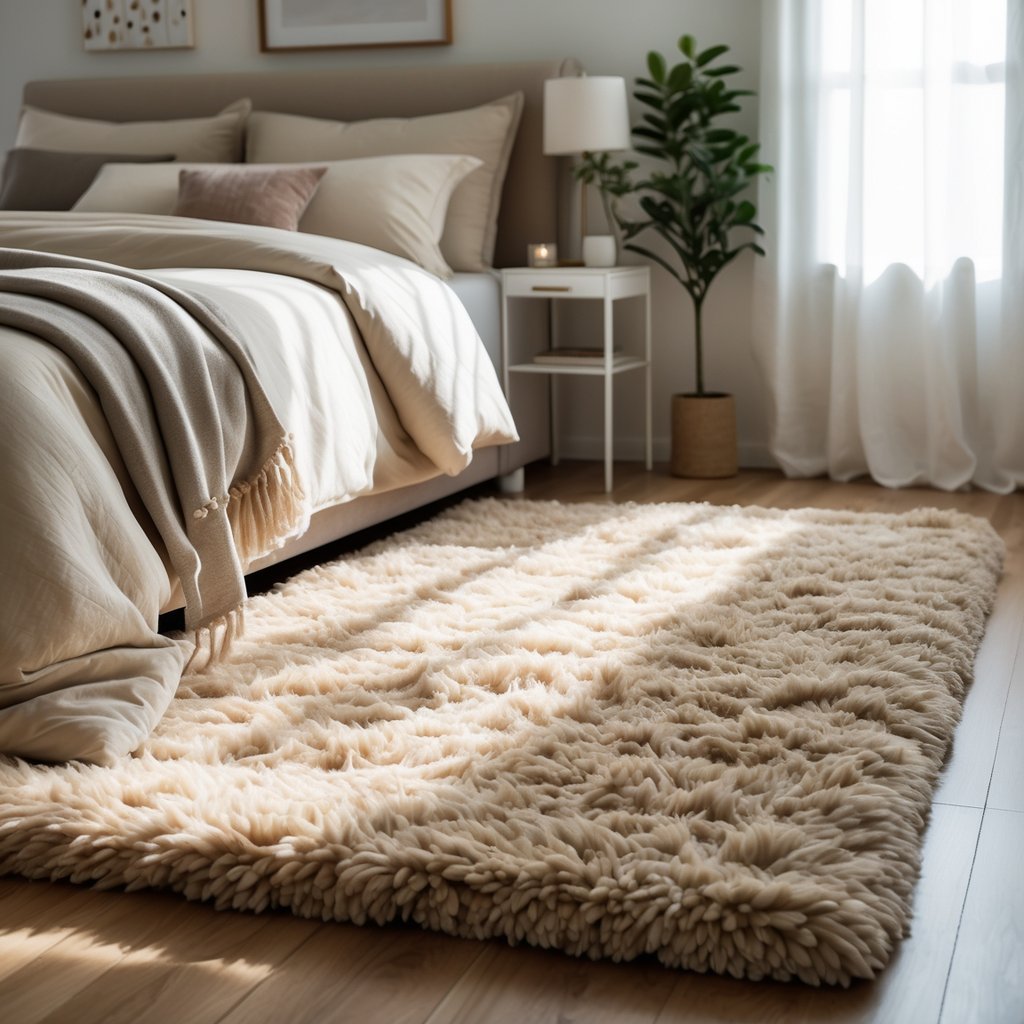
Place a soft, plush rug so your feet land on warmth each morning. Choose a material like wool or memory foam for cushion and insulation without excess bulk.
Pick a size that extends past the bed edge so you step onto the rug from both sides. Match color and texture to your bedding to keep the look calm and cozy.
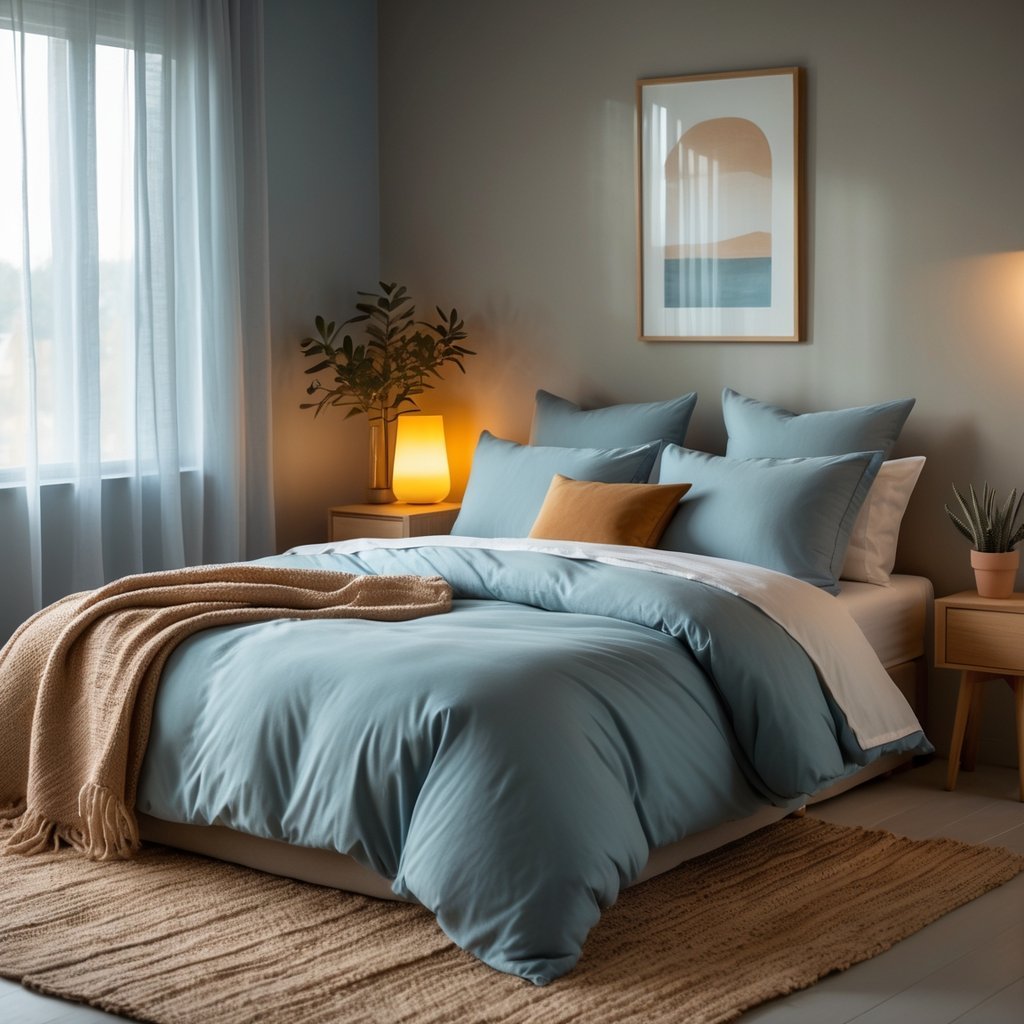
7) Incorporate calming colors such as muted blues, warm grays, or soft earth tones
Choose a muted blue, warm gray, or soft earth tone for walls to help your mind relax. These hues reduce visual noise and make the room feel steady.
Use lighter shades on ceilings and trim to reflect light and open the space. Add textiles in matching tones—throws, rugs, and pillows—to tie the look together.
Key Elements Of A Cozy Bedroom
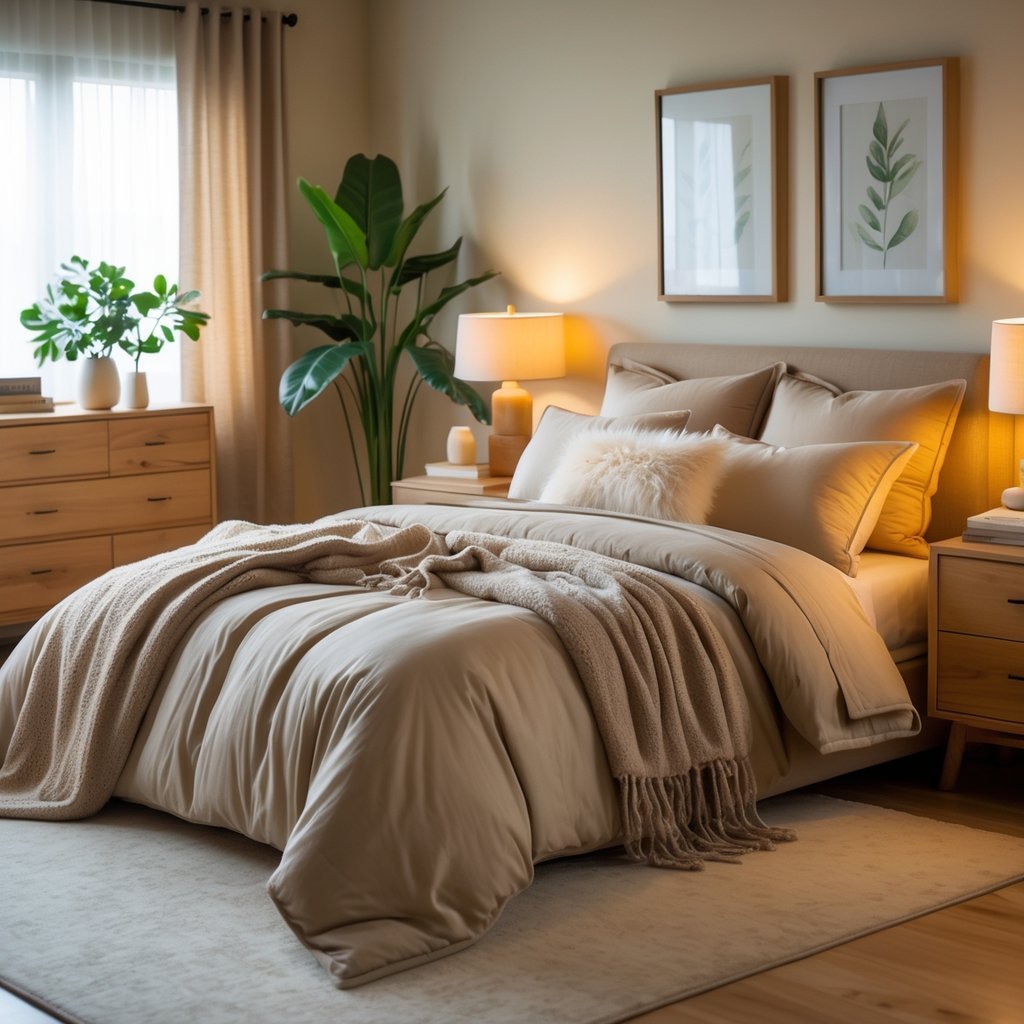
You want a room that feels warm, calm, and easy to relax in. Focus on light that soothes, a color scheme that calms, and layered textures that invite touch.
Lighting Choices For Comfort
Choose layered lighting: one overhead light, one task lamp, and one source of ambient or accent light. Use warm white bulbs (2700–3000K) to keep skin tones and fabrics looking soft. Install a dimmer on the main light so you can lower brightness at night without switching fixtures.
Place a bedside lamp with a soft shade for reading and a low-glare floor or wall sconce near seating. Add LED strip or puck lights under shelves or behind the headboard for a gentle glow. Use blackout curtains or a thick roman shade to block outside light and help sleep.
Consider smart bulbs or plugs so you can program lighting to fade in the evening. Keep switches reachable from bed. Avoid harsh, direct light and high-blue-content bulbs after dusk.
The Role Of Color Palettes
Pick two main colors and one accent color to avoid a cluttered feel. Soft neutrals—warm beige, light gray, or muted taupe—work well as a base because they reflect warm light and calm the eye. Add a deeper color like navy, forest green, or charcoal for contrast on one wall, a headboard, or bedding.
Use the accent color in smaller items: throw pillows, a blanket, or an artwork. Keep ceilings and trim lighter than walls to make the room feel taller. If you prefer pastels, choose dusty versions (not neon) so they read as warm and not childlike.
Test paint samples on the wall and view them at night with your chosen bulbs. Colors can shift under different light, so check how they look both day and night before committing.
Textures And Layering Tips
Layer bedding: start with a quality sheet set, add a midweight duvet or quilt, and finish with a textured throw and two or three pillows. Mix materials—cotton, linen, wool, and faux fur—to add depth without clutter. Keep at least one breathable layer (cotton or linen) next to skin for comfort.
Add a soft area rug underfoot by the bed to warm cold floors and reduce echo. Use curtains in heavier fabric for warmth and sound dampening. Incorporate natural elements like a wooden bedside table or woven basket to balance fabrics.
Vary scale: pair a large knit throw with smaller patterned pillows. This prevents everything from looking the same and makes the space feel intentionally arranged.
Maintaining Comfort In Small Bedrooms
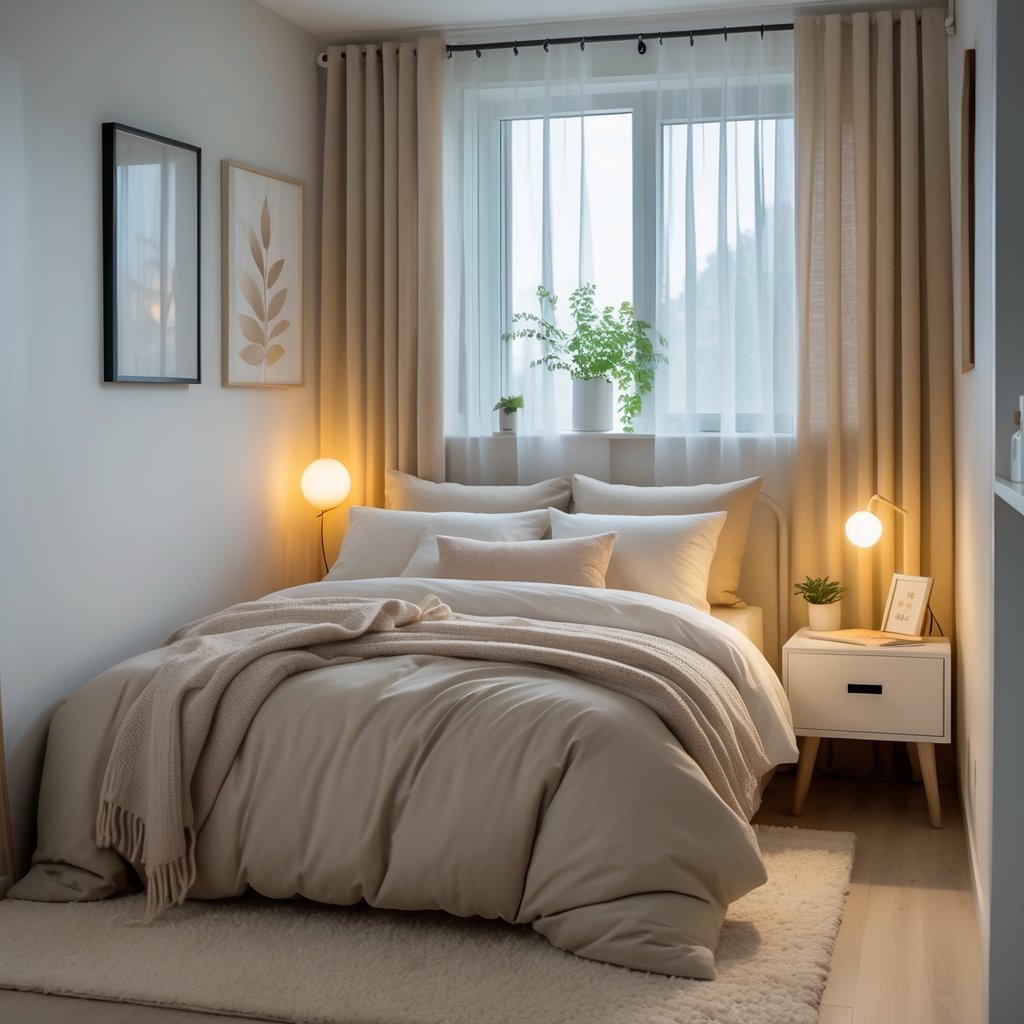
Keep the room uncluttered and bright. Use built-in or multiuse pieces to free floor space and bring in light to make the room feel larger and more restful.
Space-Saving Storage Solutions
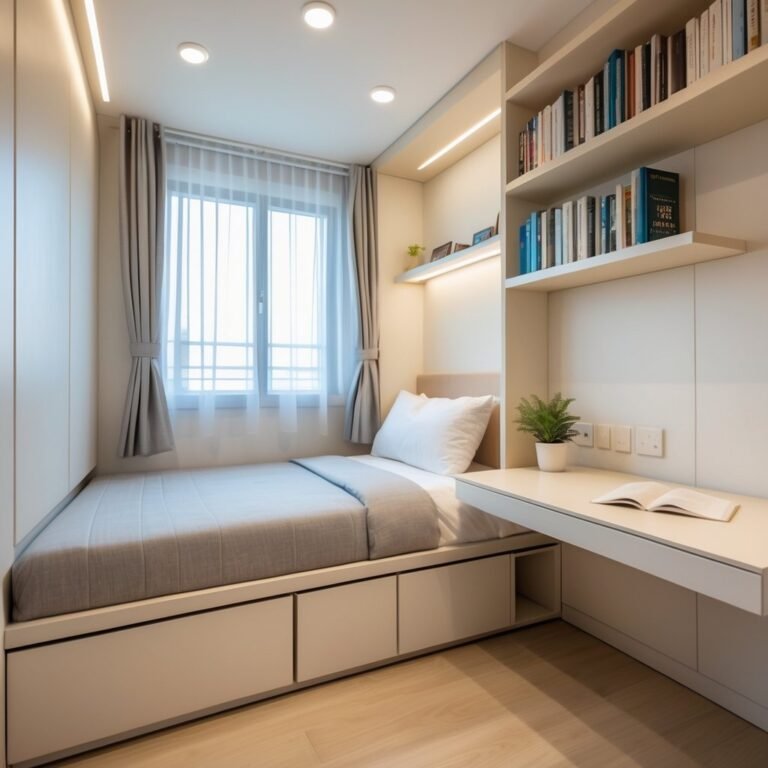
Use a platform bed with drawers or a lofted bed to store linens and seasonal clothes without extra furniture. If a full platform is too tall, choose under-bed boxes on rollers for easy access.
Install floor-to-ceiling shelving on one wall to use vertical space for books, baskets, and decor. Combine closed cabinets at the bottom with open shelves above to hide clutter and keep everyday items reachable.
Mount floating nightstands and a narrow wall desk to clear floor space while keeping surfaces for a lamp and phone. Use hooks behind the door for robes and bags. Label baskets and bins so you can quickly find things and keep the room tidy.
Maximizing Natural Light
Position your bed and mirror to reflect daylight from windows into darker corners. A large, frameless mirror on the wall across from the window amplifies light and creates depth.
Choose sheer or light-filtering curtains that let in morning sun while preserving privacy. If you need blackout for sleep, add a second layer with a simple rod so you can open and close layers as needed.
Keep window sills clear of bulky decor and use low-profile blinds that sit close to the glass. Paint trim and ceiling in a lighter tone than walls to boost brightness without changing your main color palette.
Frequently Asked Questions
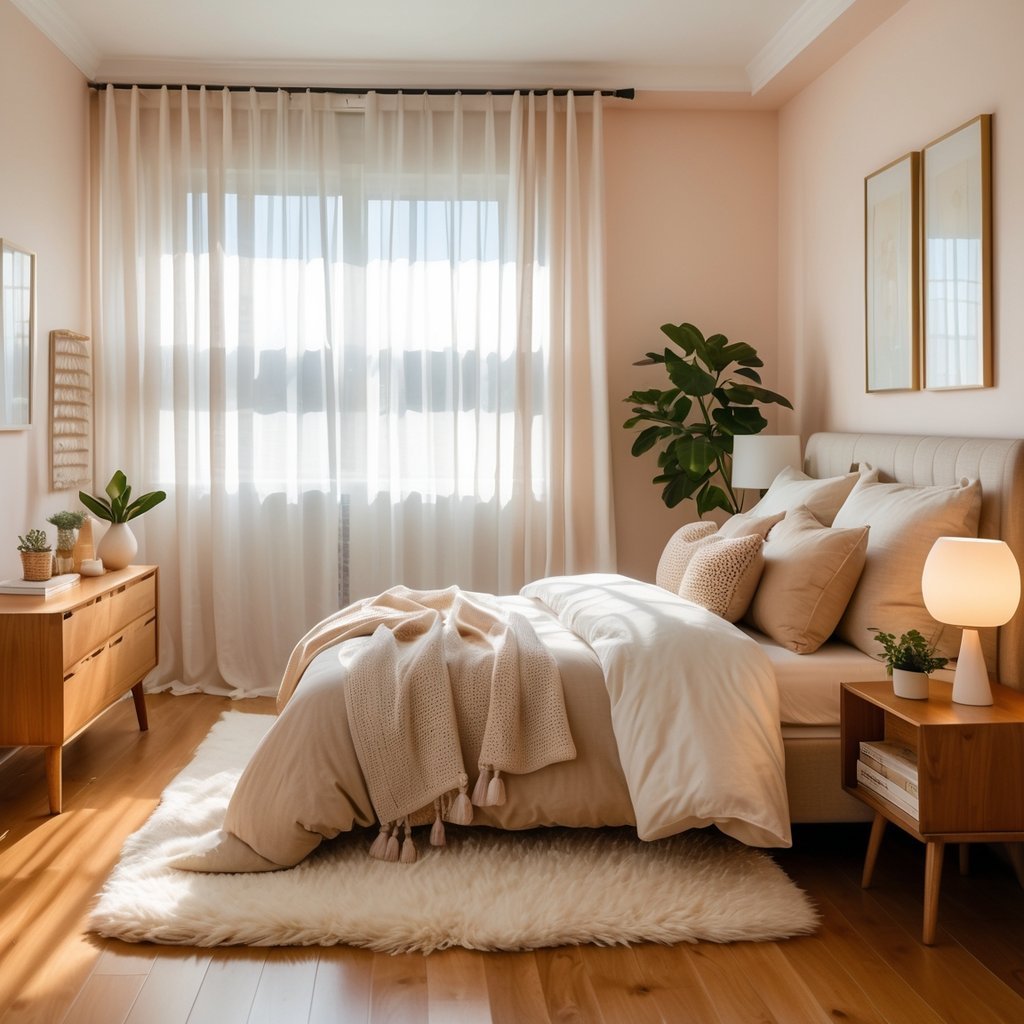
This section gives clear, practical tips you can use right away. It covers space, budget, couples’ comfort, color balance, modern-cozy styling, and ADHD-friendly choices.
How can I make my small bedroom feel more comfortable and spacious?
Pick a light paint or wallpaper to reflect more light and make the room feel larger. Keep large furniture to a minimum and choose pieces with legs or open bases to preserve visual space.
Layer bedding with thin quilts and a couple of throws instead of many heavy blankets; this keeps warmth without clutter. Use multi-functional furniture like a storage bed or a narrow dresser to hide items and cut clutter.
Hang a mirror opposite a light source to boost natural light and depth. Install dimmable lamps or fairy lights so you can change mood without adding bulky fixtures.
What are some budget-friendly ways to create a warm and inviting bedroom atmosphere?
Start with soft, textured bedding—add a quilt, two throws, and a few pillows you already own or buy affordable covers. Swap in light-blocking curtains to improve sleep and reduce street light without costly window upgrades.
Use lamps with warm bulbs and dimmers or string lights for layered ambient lighting. Declutter surfaces and store items in baskets or boxes; tidier rooms feel calmer and cheaper to transform.
Could you suggest simple ways to enhance the coziness of a bedroom for couples?
Choose a mattress both of you like—test options like medium-firm models from reputable brands before buying. Layer the bed with a durable quilt, a shared throw, and extra pillows so both partners have comfort options.
Install two bedside lamps on dimmers so each person controls their light. Keep a small tray or basket for shared items like books, chargers, and a bedside water glass to reduce nighttime disruptions.
What are effective strategies for integrating the 60-30-10 color rule in bedroom design?
Make 60% of the room a neutral base such as soft gray, beige, or warm white on walls and large furniture. Use 30% for a secondary color on bedding, rugs, or curtains—choose a calming blue, green, or warm taupe.
Reserve 10% for accent pieces: pillows, a throw, a lamp, or wall art in a brighter or contrasting hue. Keep the accents small and intentional so the balance feels deliberate and not cluttered.
How can I decorate my bedroom to accommodate a modern but cozy aesthetic?
Choose clean-lined furniture with soft finishes—simple beds, low dressers, and a small upholstered chair. Layer textured bedding: a smooth sheet set, a soft quilt, and a knit throw to add warmth without busy patterns.
Use a few well-placed accessories—one lamp with a dimmer, a rug underfoot, and a couple of framed prints. Keep surfaces mostly clear and use hidden storage to keep the look minimal and snug.
What are some tips for creating an ADHD-friendly bedroom environment?
Minimize visual clutter by storing items in labeled bins or drawers and keeping flat surfaces clear. Use consistent routines and visual cues like a small shelf for nightly essentials to reduce decision stress.
Choose soft, calming colors and control light with light-blocking curtains and dimmable lamps. Pick a comfortable mattress and layered bedding so sensory needs stay stable and sleep improves.