Classic Bedroom Design Ideas: Timeless Layouts, Elegant Color Schemes, and Furnishing Tips
You want a bedroom that feels calm, polished, and built to last. Classic design gives you that by focusing on clean lines, balanced layouts, and rich but simple materials so you can relax in a space that never feels out of date. Choose a neutral palette, quality furniture, and layered lighting to create a timeless bedroom you’ll enjoy for years.
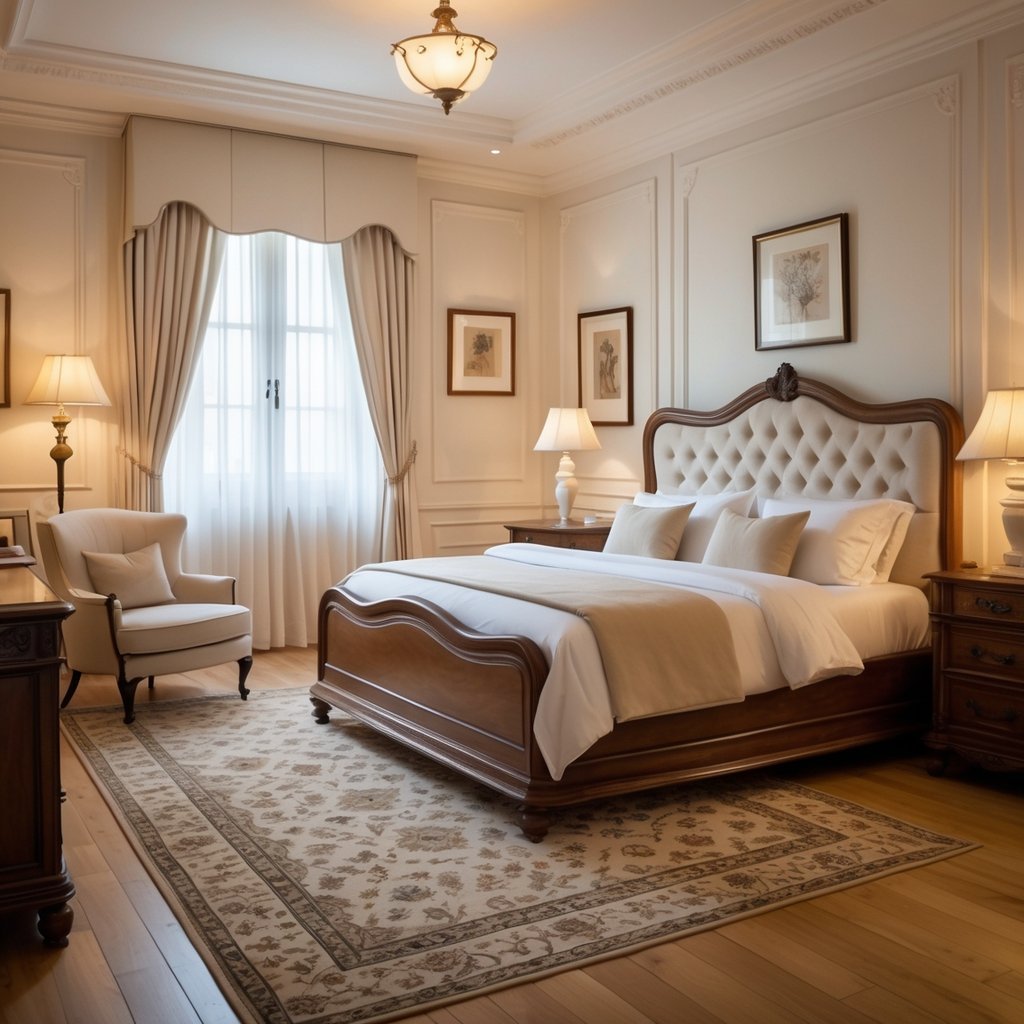
This post shows practical ideas and clear choices to help you shape a classic bedroom that fits your life and style. You’ll find easy ways to pick a bed, mix textures, and add details that make the room feel finished without overdoing it.
Key Takeaways
- Start with a calm color scheme and solid furniture choices.
- Use layers—lighting, textiles, and accessories—to add depth.
- Small, high-quality details make the room feel consistently classic.
Defining Classic Bedroom Design
Classic bedroom design focuses on balance, rich materials, and timeless shapes. You’ll see symmetry, layered textures, and furniture with clear lines that hint at history without feeling dated.
Core Characteristics of Classic Style
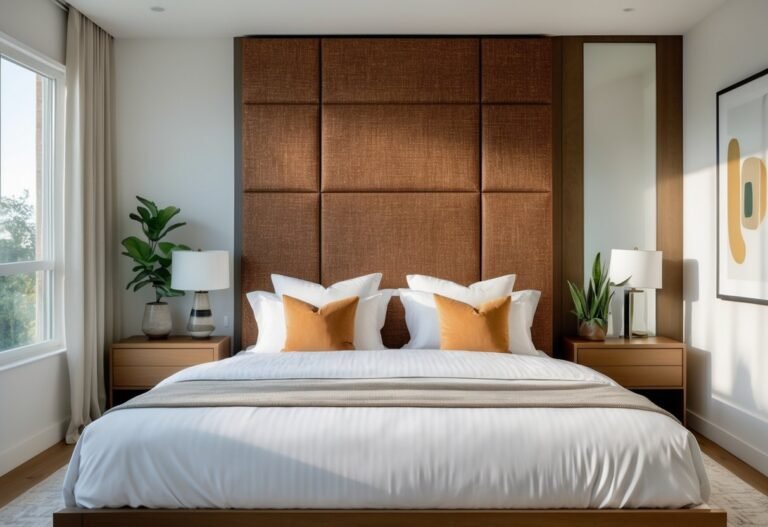
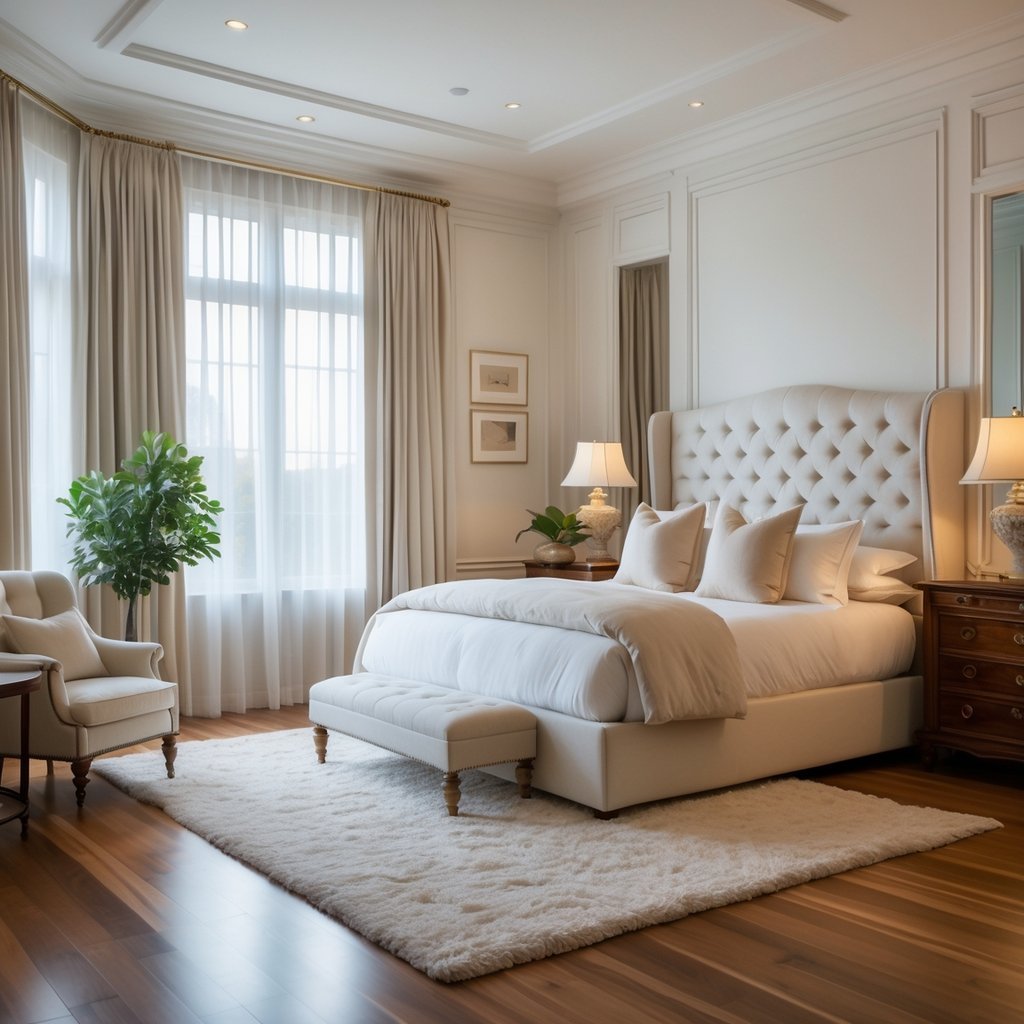
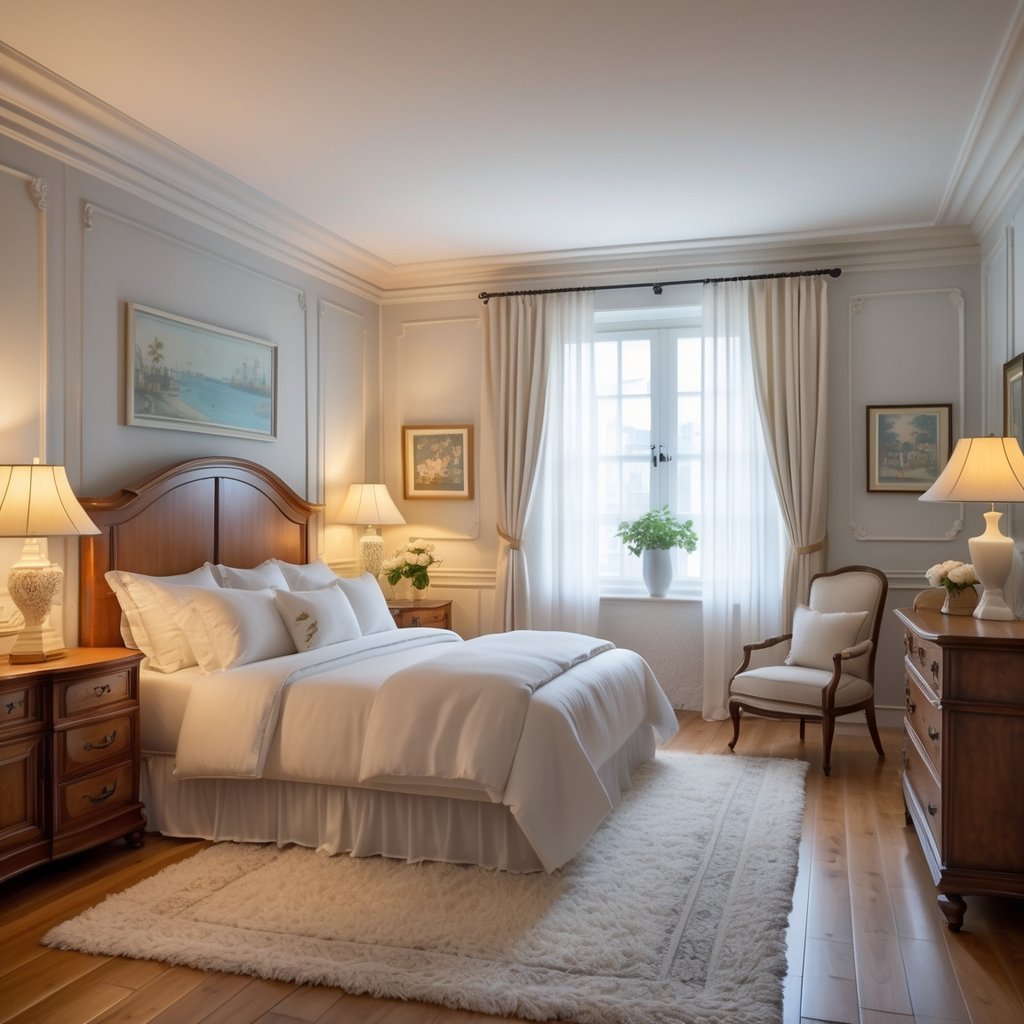
You’ll notice symmetry first: matching bedside tables, identical lamps, and a centered bed create calm. Furniture often uses solid woods like mahogany or walnut with graceful curves and modest carving. Upholstery favors woven fabrics—linen, velvet, or damask—in muted colors or subtle patterns.
Layered bedding matters. Start with a neutral base, add textured throws, and finish with a few well-placed pillows. Lighting combines form and function: chandeliers or sconces for ambient light, with task lamps for reading. Accessories stay restrained—framed art, a mirror with a simple frame, and a rug that ties the palette together.
Historical Influences and Evolution
Classic bedrooms borrow from 18th- and 19th-century European styles such as Georgian, Federal, and neoclassical design. You’ll see inspiration in tapered legs, paneled headboards, and restrained ornament. Those elements evolved into simpler shapes in the early 20th century, keeping the focus on proportion rather than heavy decoration.
Over time, classic style absorbed modern comforts: built-in storage, updated fabrics, and energy-efficient lighting. You can mix original antiques with newer pieces that echo traditional details. The goal remains the same: preserve a sense of order and dignity while making the room work for today’s routines.
Comparison with Contemporary Bedroom Designs
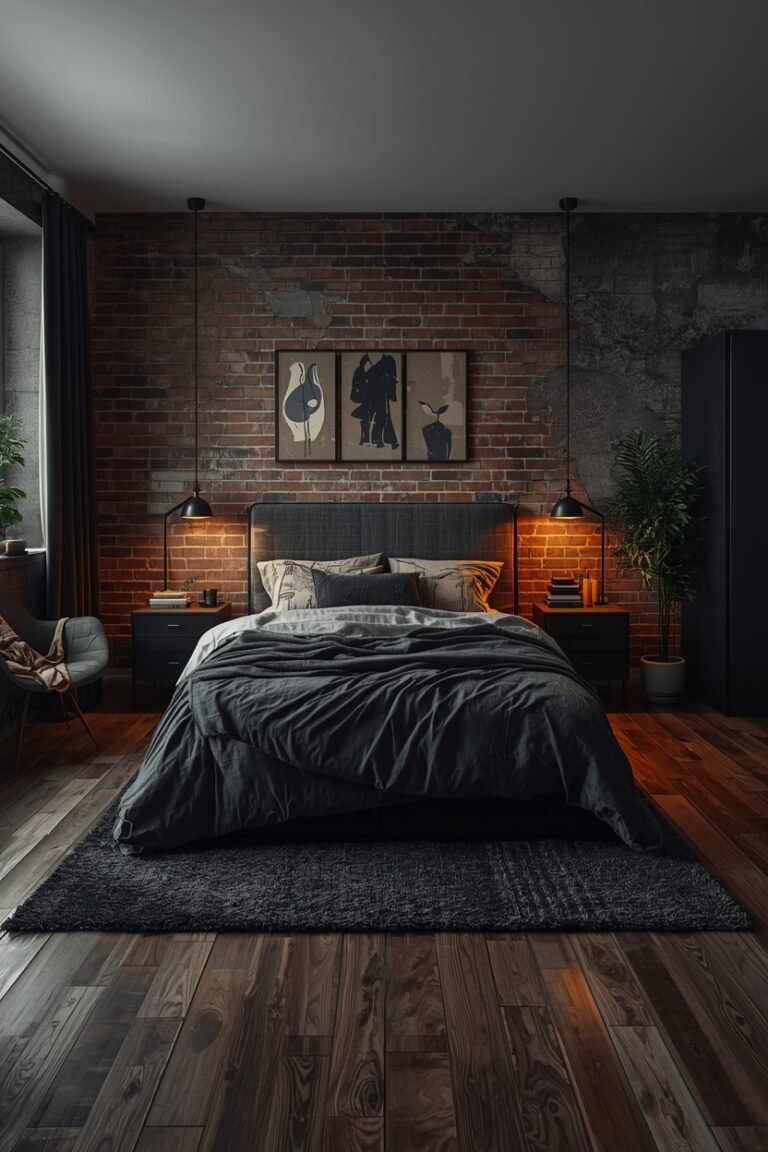
Contemporary design prioritizes minimalism and bold contrasts. You’ll find open space, clean geometric forms, and a sparse accessory palette. Classic design, by contrast, emphasizes proportion, layered textures, and warm wood tones.
Function also differs. Contemporary rooms often hide storage and use multifunctional furniture. Classic rooms show crafted furniture and use visible, well-placed storage pieces. If you prefer softness and tradition, choose classic elements like a paneled bed or a patterned rug. If you want stark simplicity, pick contemporary pieces with smooth surfaces and minimal trim.
Key Elements of a Classic Bedroom
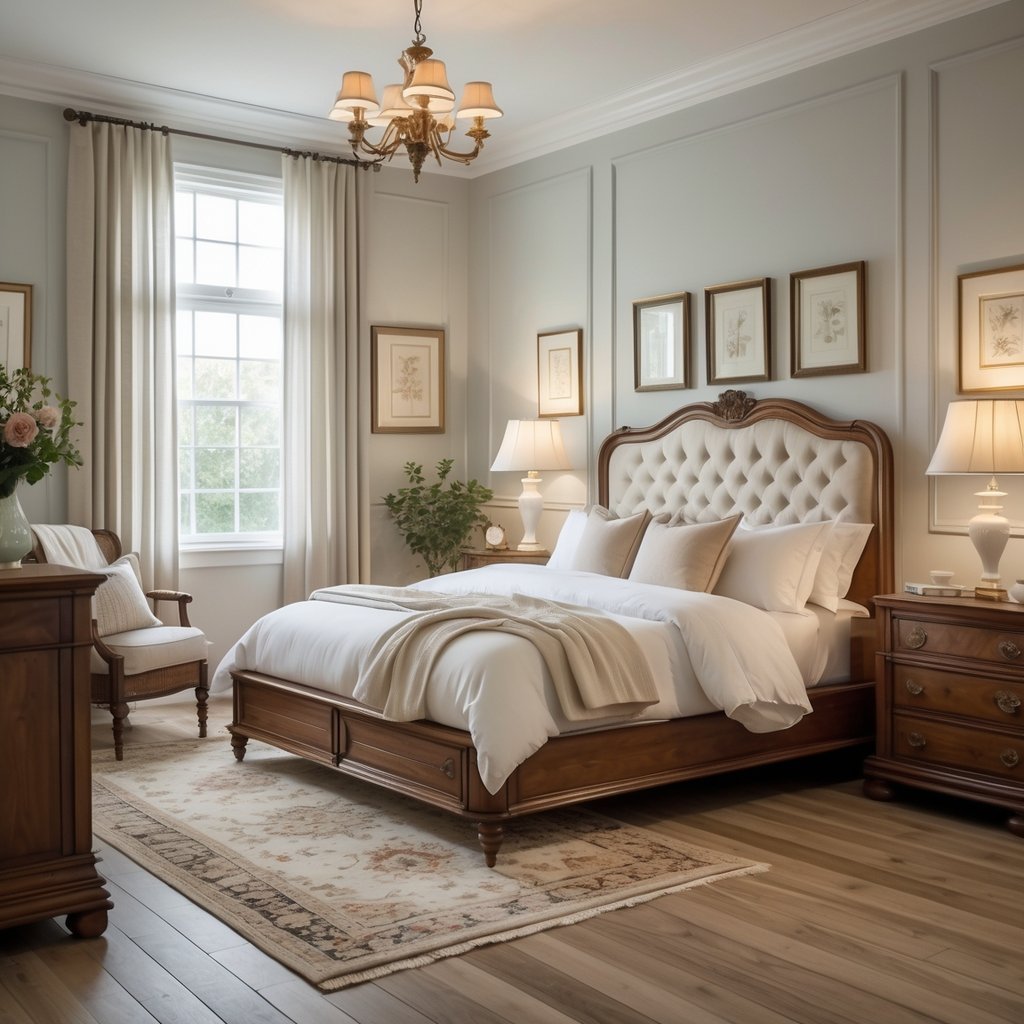
You want a room that feels calm, elegant, and well put together. Focus on strong furniture, a muted color scheme, defined architectural details, and rich textiles.
Furniture Styles and Materials
Choose furniture with balanced proportions and gentle curves. Look for pieces in solid wood like oak, mahogany, or walnut. A paneled or upholstered headboard anchors the bed and adds comfort.
Prioritize quality construction: dovetail joints, mortise-and-tenon frames, and kiln-dried wood last longer. Include a mix of case goods—dresser, nightstands—and a statement piece such as a canopy bed or armoire.
Metal accents should be subtle: brass or oil-rubbed bronze hardware works best. Keep lines simple but refined; avoid overly ornate or ultra-modern styles. Scale furniture to the room so pathways stay clear.
Color Palettes and Finishes
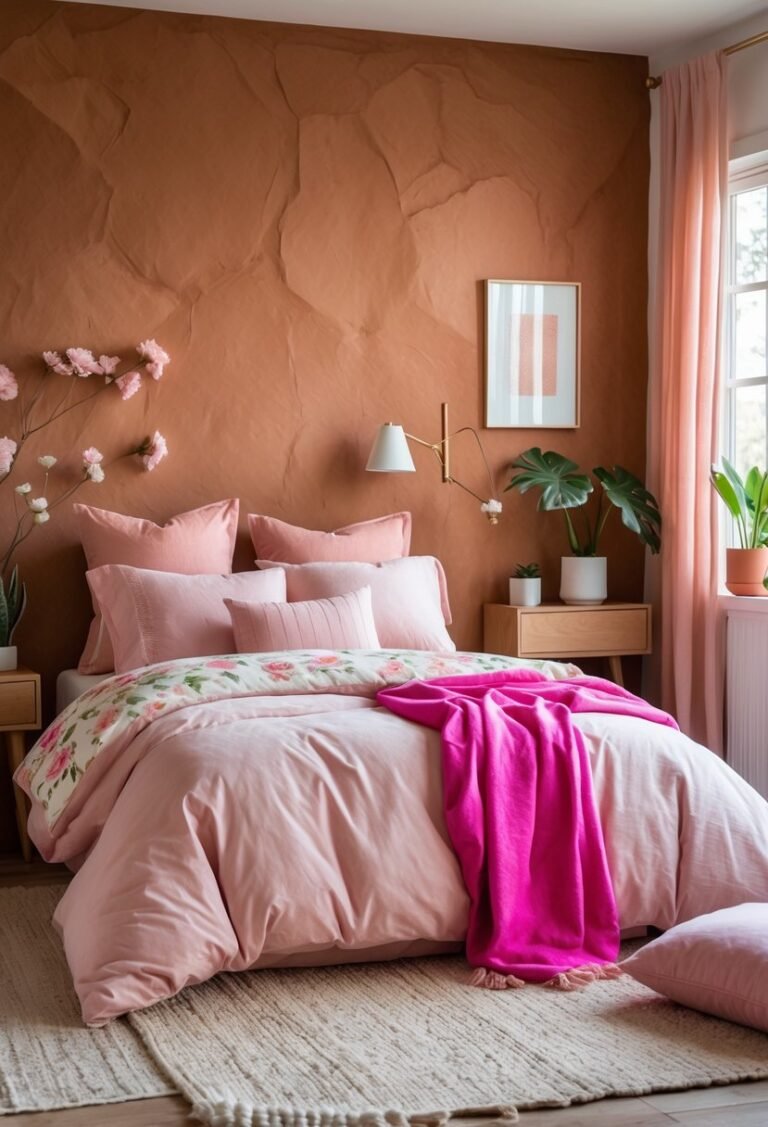
Stick to a restrained palette: warm neutrals, soft greys, muted blues, or sage greens. Use a dominant neutral on walls, then add color through bedding, art, or an accent chair.
Finish choices matter. Choose eggshell or satin paint for subtle sheen and easy cleaning. For wood, go with satin or matte stains that show grain without high gloss.
Limit high-contrast combos. Pair a creamy wall with darker wood furniture and soft brass accents. Use one stronger color in a small dose to draw focus, like a navy throw or deep green curtains.
Architectural Details and Moldings
Add crown molding, baseboards, and door casings to frame the room and raise perceived height. A simple chair rail or picture rail gives a classic layered look without overpowering the space.
Consider paneled walls or wainscoting on at least one wall to add texture and depth. Built-in shelving or a niche creates a refined focal point and hides clutter.
Keep proportions consistent: moldings should match ceiling height. Choose profiles that are clean and slightly rounded rather than highly ornate.
Textiles and Upholstery Choices
Pick natural fibers first: linen, cotton, wool, and silk blends for bedding and window treatments. These materials wear well and look refined over time.
Layer bedding: a fitted sheet, flat sheet, lightweight blanket, duvet, and a tailored coverlet or quilt. Add two standard pillows and two decorative shams for a polished bed.
Upholstery should feel sturdy and soft. Neutral chenille, tweed, or velvet works for headboards and chairs. Use patterned fabrics sparingly—floral or subtle stripes on an accent chair or throw pillow keeps the room classic.
Timeless Accessories and Decor
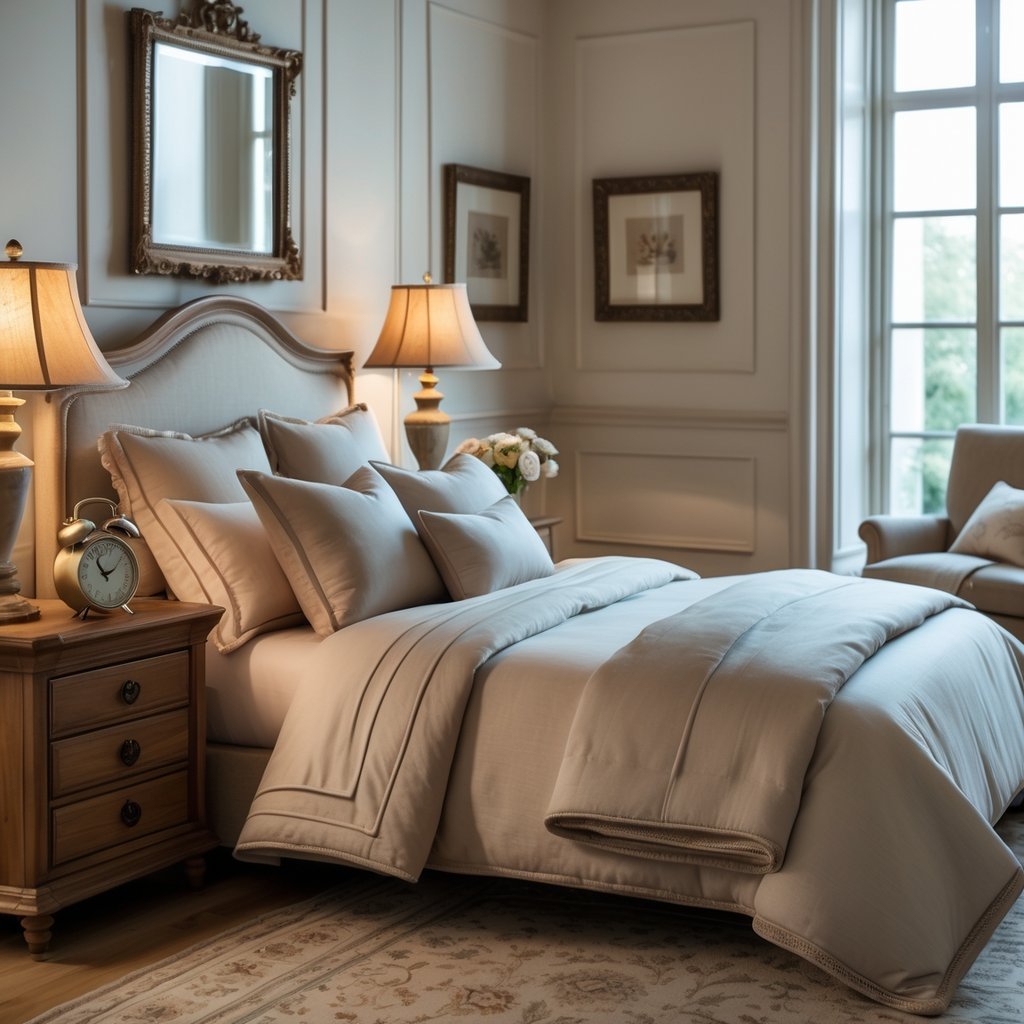
Choose pieces that balance comfort, light, and personal style. Focus on high-quality textiles, a few strong lighting fixtures, and curated art or accents that tie the room together.
Bedding and Soft Furnishings
Pick a durable mattress protector and a neutral duvet cover in cotton or linen for breathability and easy care. Layer with a lightweight down or down-alternative duvet and a woven throw in wool or cotton for texture. Use a mix of pillow sizes: two standard sleeping pillows, two euro shams for height, and one decorative lumbar pillow to add a focal point.
Stick to a simple palette—ivory, soft gray, navy, or muted sage—to keep the look timeless. Add one patterned or textured piece, like a subtle stripe or matelassé quilt, to avoid flatness. Choose washable fabrics for everyday pieces and reserve delicate or vintage textiles for low-use accents.
Statement Lighting Fixtures
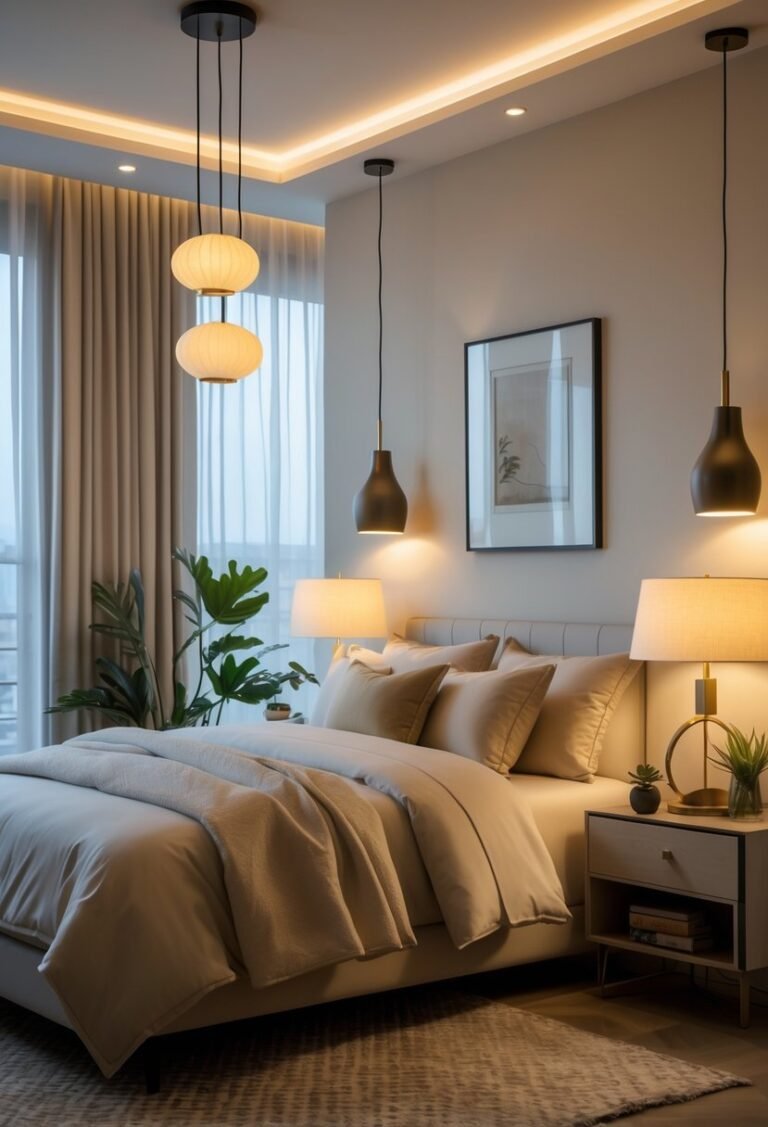
Install a central chandelier or pendant that matches your room scale—choose a 20–30 inch diameter for small rooms and 30–36 inches for larger rooms. Pick finishes that echo other metals in the room: aged brass, satin nickel, or matte black work well with classic styles.
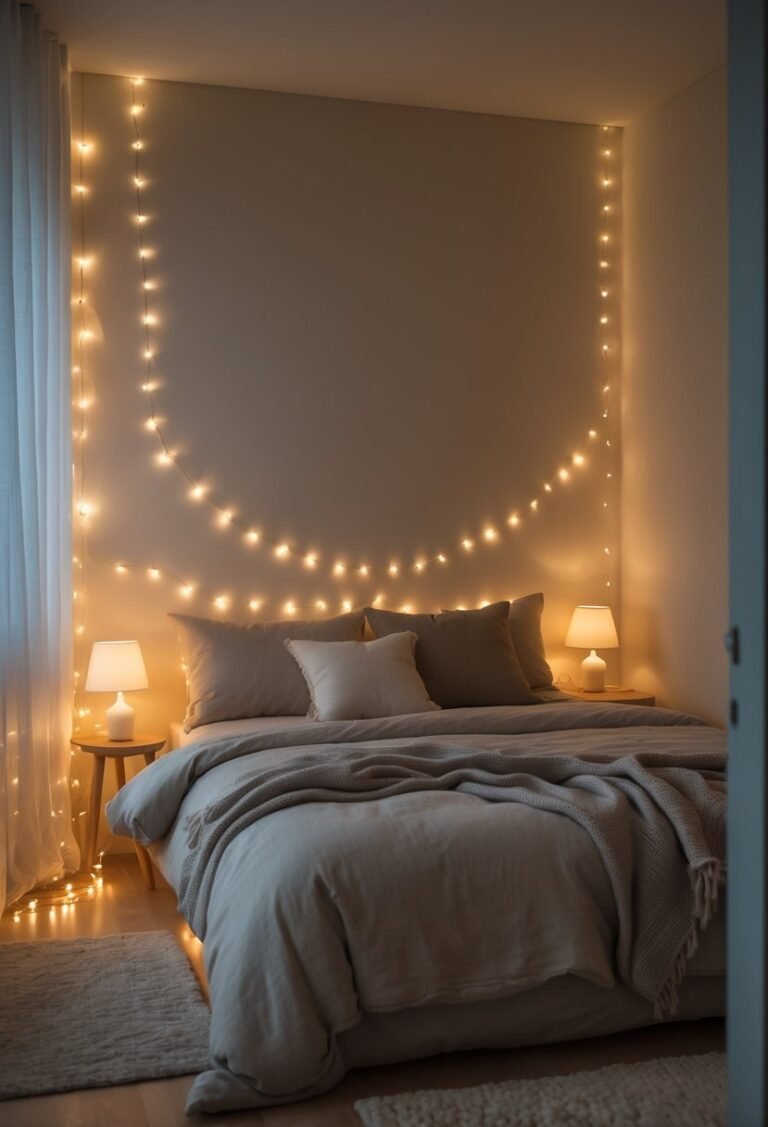
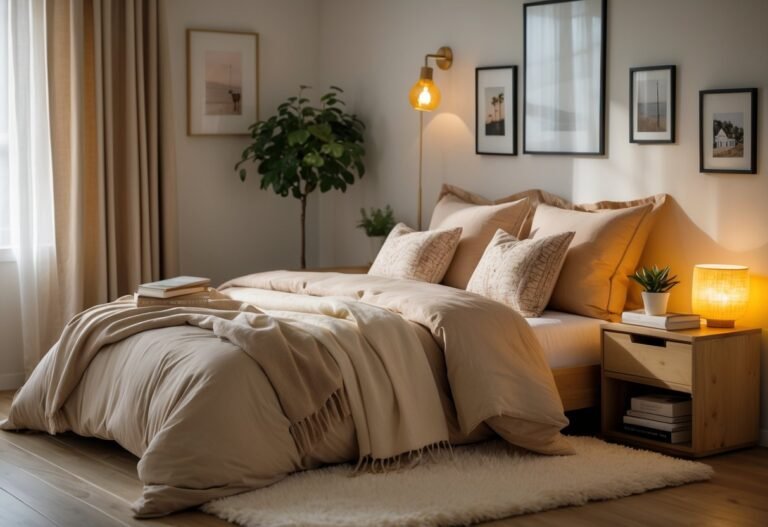
Add layered lighting: wall sconces beside the bed for reading and a table lamp with a fabric shade on each nightstand for softer, targeted light. Use dimmers on the main fixture and bedside lights so you can change mood and brightness easily. Aim for warm bulbs (2700–3000K) to keep the space inviting.
Wall Art and Decorative Accents
Select one or two larger art pieces rather than many small items to prevent clutter. Choose framed prints, oil-style canvases, or a mirror with a carved or simple frame to reflect light and add depth. Position art at eye level—center it about 56 inches from the floor.
Keep decorative accents purposeful: a ceramic vase, a stack of hardcover books, or a tray for small items on a dresser. Use a consistent material palette—wood, brass, glass—to tie accents together. Rotate seasonal items and limit color accents to one or two hues so the room stays calm and cohesive.
Tips for Creating a Classic Bedroom
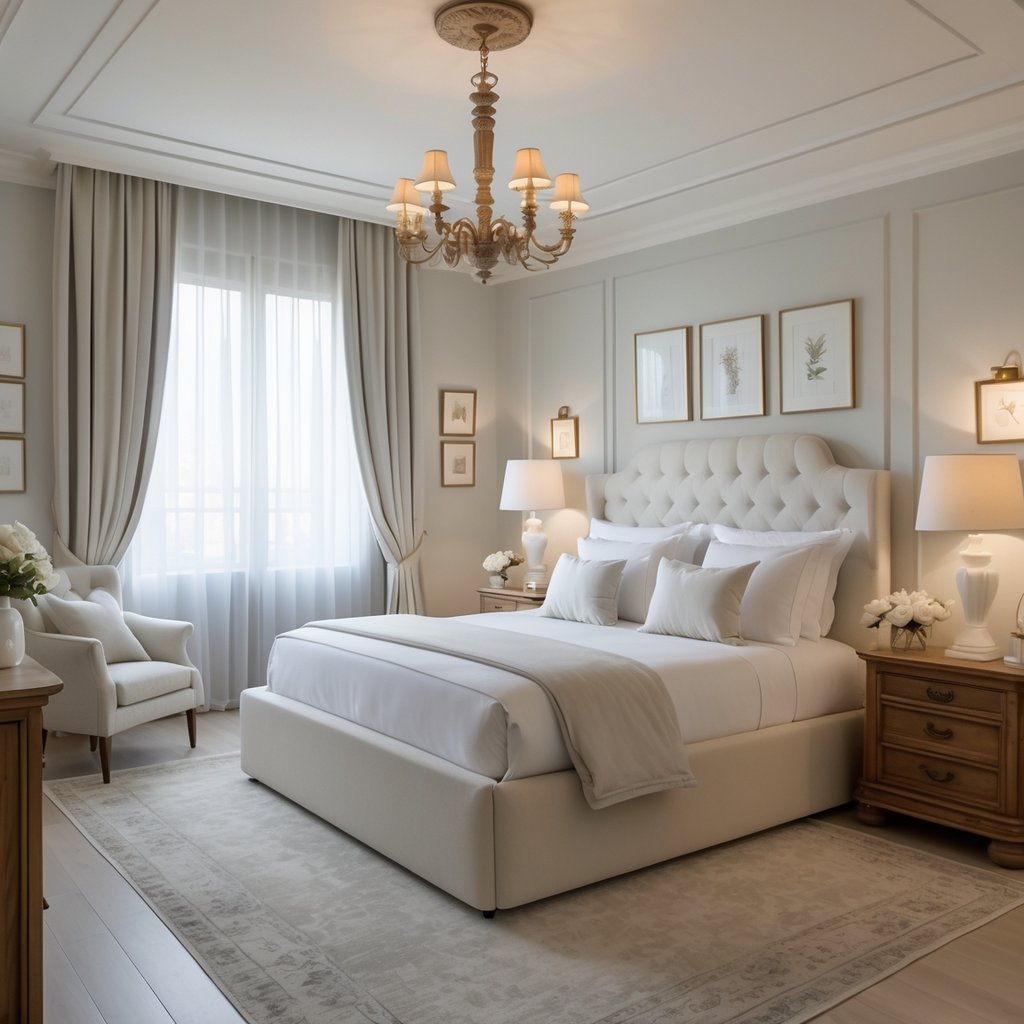
Use durable materials, balanced colors, and simple ornament to make the room feel timeless. Prioritize a strong focal point, comfortable scale, and a few well-chosen accents to keep the space elegant and livable.
Blending Modern and Classic Elements
Mix one or two modern pieces with your classic items to keep the room fresh. For example, pair a tufted headboard with a slim metal floor lamp, or swap an ornate dresser knob for a simple brass pull.
Keep finishes consistent. If you choose warm metals like brass on the bed and lights, repeat that metal on mirror frames or drawer pulls to tie old and new together. Use modern textiles—linen or cotton—with classic patterns like subtle stripes or small florals.
Limit bold contemporary changes to small areas. Replace bedside lamps, artwork, or a rug rather than redoing crown molding or major furniture. This preserves the classic bones while letting you update the look over time.
Space Planning and Layout Ideas
Place the bed as the room’s focal point, usually centered on the longest wall or opposite the entrance. Leave at least 24 inches (60 cm) of clear pathway at each bedside for easy movement and cleaning.
Balance scale and proportion. Pair a large bed with wider nightstands, or use a smaller bed with a statement chandelier to keep visual weight steady. Include seating—an upholstered bench or armchair—near the window or foot of the bed for function and symmetry.
Use zones for dressing and storage. Keep a clear area near the closet or dresser for dressing, and place storage like a chest or built-in shelving on the wall that won’t block light or flow. Add layered lighting: ambient (ceiling), task (reading lamps), and accent (sconces or picture lights).
Maintaining a Cohesive Theme
Choose a simple color palette of two main colors plus one accent. Stick to those across walls, bedding, window treatments, and larger furniture so the room reads as one coordinated space.
Repeat key motifs and materials. If you use fluted wood on a dresser, echo that texture in picture frames or lamp bases. Limit patterns: one larger-scale print (like a patterned duvet) and one small-scale print (a pillow or throw) keep the room orderly.
Curate accessories. Keep surfaces decluttered and display a few meaningful items—a framed photograph, a ceramic vase, a stack of books. Rotate accents seasonally to refresh the look without changing core pieces.
Frequently Asked Questions
You will find clear, practical advice on fabrics, furniture, colors, and decor to build a classic, luxury bedroom that feels current. Each answer gives short steps you can use right away.
What are the essential elements of luxury classic bedroom decor?
Start with a solid bed: a high-quality mattress and a bed frame with a tufted headboard or carved wood. Layer with fine bedding—Egyptian cotton or linen sheets and a down or down-alternative comforter.
Add strong focal pieces like a matching dresser and nightstands in rich wood or lacquer. Include heavy drapes, a patterned area rug, and soft ambient lighting from table lamps and a chandelier.
Balance textures: silk or velvet throw pillows, a wool rug, and polished metal or brass accents. Keep finishes coordinated for a refined look.
How can I incorporate modern touches into a classic bedroom design?
Use a neutral base—walls, trim, and large furniture in beige, gray, or cream. Then add modern pieces like a minimalist bench, geometric lamp, or abstract art to update the room.
Swap one traditional light fixture for a sleeker pendant, or use contemporary upholstery fabrics on classic silhouettes. Mix one or two matte black or brushed-steel accents to keep the room fresh.
Choose modern patterns sparingly so they complement rather than clash with classic motifs.
What color schemes are popular for a traditional bedroom design?
Go with warm neutrals: taupe, cream, soft gray, and warm white. These form the main palette and keep the room feeling calm.
Add deeper accent colors like navy, forest green, burgundy, or deep teal for furniture, drapery, or an accent wall. Use metallics—brass, gold, or bronze—for hardware and lighting.
Keep contrasts moderate to maintain an elegant, timeless mood.
What furniture pieces are must-haves for a classic bedroom look?
A substantial bed with a solid headboard is non-negotiable. Choose a bed that suits the room scale—king or queen for master bedrooms, full or twin for smaller rooms.
Include two nightstands, a dresser or chest of drawers, and a seating piece such as an upholstered bench or armchair. Add a full-length mirror and, if space allows, a small vanity or writing desk.
Pick furniture with traditional details—turned legs, moulding, or gentle carvings—so pieces read as cohesive.
How do I apply the 60 30 10 color rule when designing my bedroom?
Assign 60% to your dominant color—walls, large rugs, or main upholstery. Use a neutral like soft gray or beige for this role.
Make 30% your secondary color—bed linens, drapery, and major furniture. Choose a richer tone like navy or warm taupe.
Use 10% for accent color—throw pillows, artwork, a lamp, or small decor items. Select a contrasting hue such as gold, deep red, or teal to add visual interest.
What are some timeless decorations for a classic bedroom theme?
Choose framed oil-style prints or black-and-white photographs in matching frames. Place them above the headboard or on a dresser.
Use classic lamps with fabric shades, a Persian or Oriental-style rug, and decorative trays or porcelain boxes. Add fresh flowers or a potted plant for a simple, living touch.
Include a few heirloom pieces or antiques to lend authenticity without cluttering the space.