Elegant Living Room Design: Timeless Layouts, Luxe Materials, and Practical Styling
You can make your living room feel elegant without spending a fortune or stripping away comfort. Start by choosing a calm color palette, high-quality fabrics, and a few well-made pieces that set the tone. Focus on balance: pair clean lines and uncluttered layout with textured materials and thoughtful accents to create a space that looks refined and feels inviting.
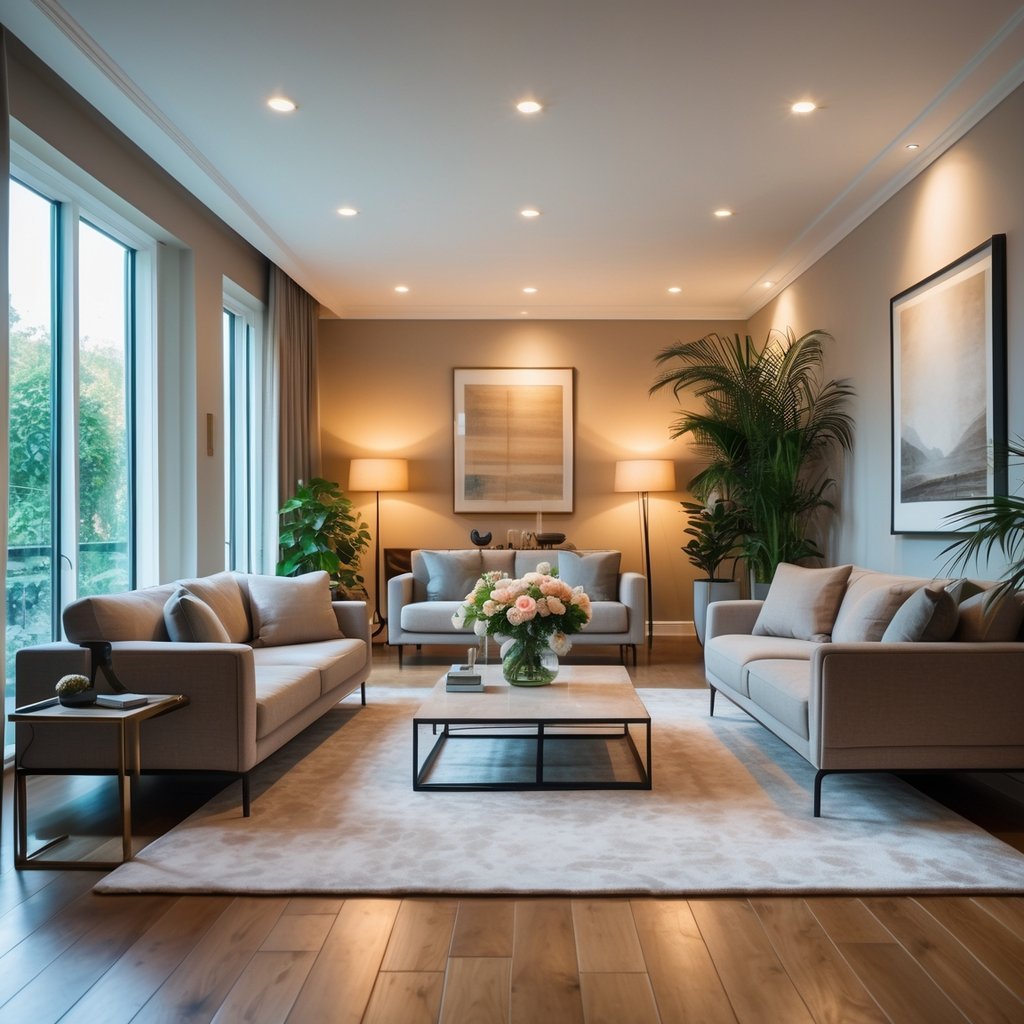
Small choices change the whole room. Reposition furniture to improve flow, add layered lighting for mood, and pick accessories that add polish without clutter. With a clear plan, you can transform a regular living room into a graceful, functional space that suits how you live.
Key Takeaways
- Choose a calm palette, quality materials, and a few statement pieces.
- Arrange furniture and lighting to improve flow and mood.
- Add simple, polished accents to finish the look.
Core Elements of Elegant Living Room Design
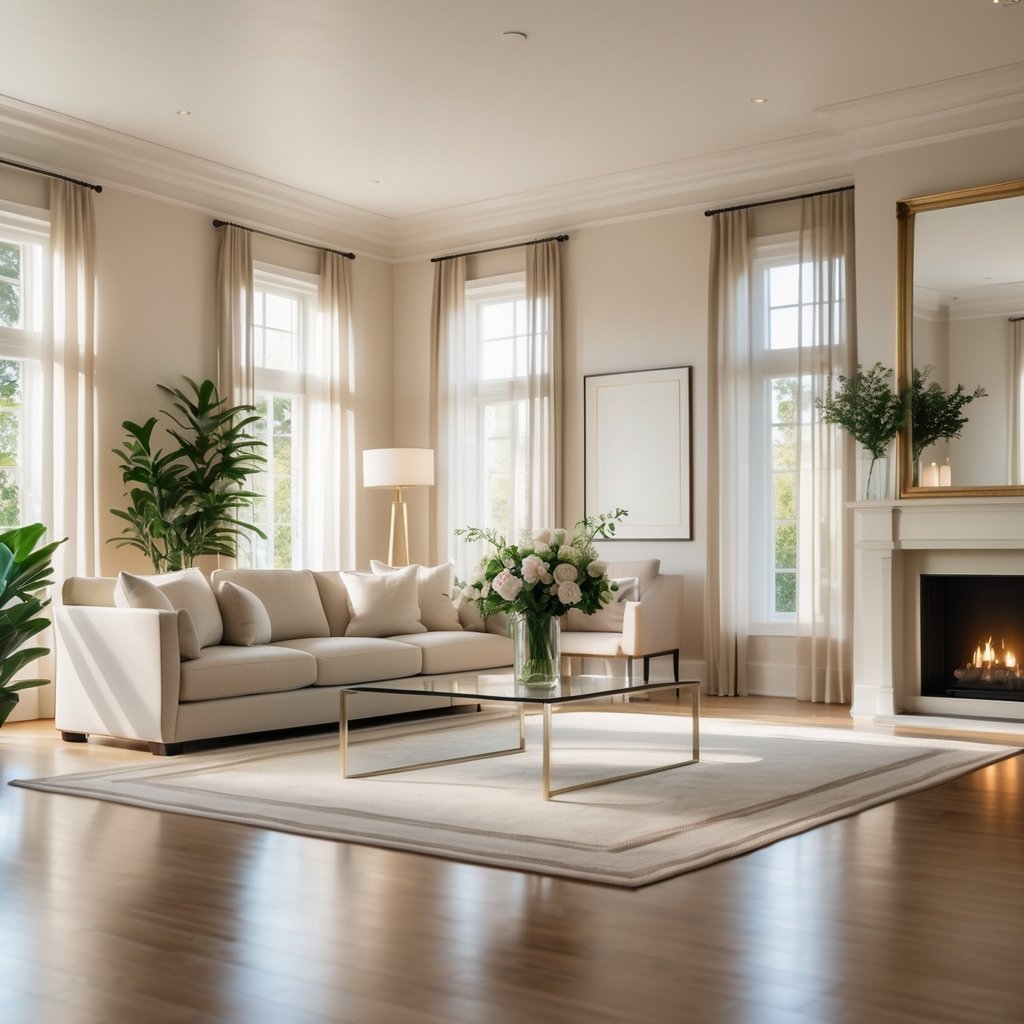
Focus on a calm color scheme, a few well-made furniture pieces, and rich materials that invite touch. These three things control the look and feel of the room and make styling choices easier.
Color Palettes for Sophisticated Spaces
Choose a restrained palette with two to four main colors. Start with a neutral base like warm white, greige, or soft taupe for walls and large pieces. Add a darker anchor color—charcoal, deep navy, or forest green—on one wall, a sofa, or a rug to create depth.
Use a single accent color in small doses: velvet pillows, a lamp, or artwork in muted gold, blush, or teal. Keep high-contrast patterns minimal; favor subtle geometrics or tone-on-tone stripes. Maintain consistent undertones: warm neutrals with warm accents, cool neutrals with cool accents. This keeps the room cohesive and calm.
Essential Furniture Pieces
Select fewer, better pieces instead of filling the room. Start with a comfortable sofa with clean lines and durable upholstery. Add one pair of armchairs or a chaise to balance seating.
Include a solid coffee table in wood, stone, or metal; it should sit at armrest height. Add side tables for lamps and a console table behind the sofa or against a wall. Choose a media cabinet or shelving that hides clutter and shows a few curated items.
Arrange furniture to allow clear pathways and conversation. Keep proportions right: larger rooms handle sectional sofas; smaller rooms need slim-profile furniture. Prioritize scale, symmetry, and function when you buy.
Quality Materials and Textures
Pick materials that age well and feel pleasant to touch. Opt for natural fabrics like wool, linen, and leather for upholstery. Use solid wood or veneered pieces with real grain for tables and cabinets.
Layer textures to add interest without clutter. Combine a soft wool rug, a silk-blend throw, and a leather or velvet cushion. Metal finishes—brass, matte black, or brushed nickel—should repeat across lighting and hardware for unity.
Pay attention to finish quality: tight seams, smooth joins, and consistent stain or paint. These details show up instantly and make the room feel intentional and refined.
Layout and Spatial Flow
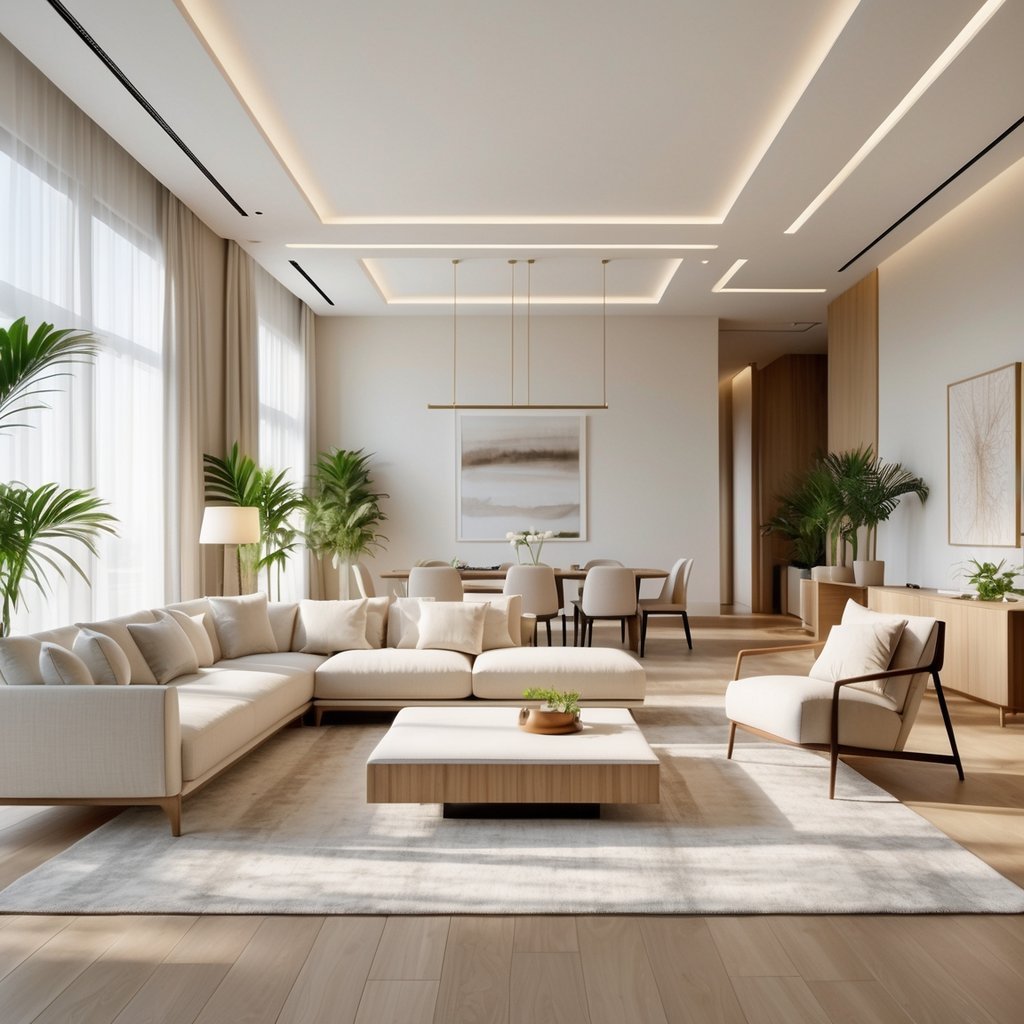
Keep pathways clear, center seating around a defined focal point, and use light and scale to make the room feel open and balanced. Focus on walkways, sightlines, and how each piece contributes to movement and comfort.
Arranging Furniture for Openness
Place your main seating so there is a clear route from entry points to other areas. Leave at least 30–36 inches for primary walkways and 18–24 inches between coffee tables and seating for comfort.
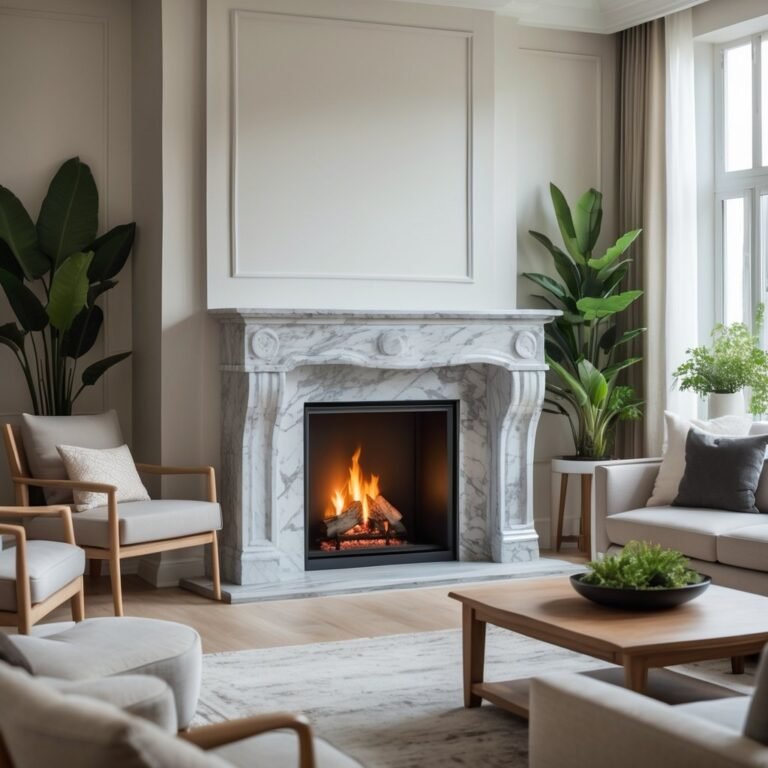
Create conversational zones by grouping furniture around a focal point — a fireplace, TV, or large window — rather than pushing everything against walls. Use a rug to anchor the group; choose a rug large enough that at least the front legs of sofas and chairs sit on it.
Consider scale: pick a low-profile sofa in narrow rooms and slim-arm chairs in tighter corners. Use open-leg or glass furniture to maintain sightlines. If you need extra seating, add stools or ottomans that slide under tables when not in use.
Maximizing Natural Light
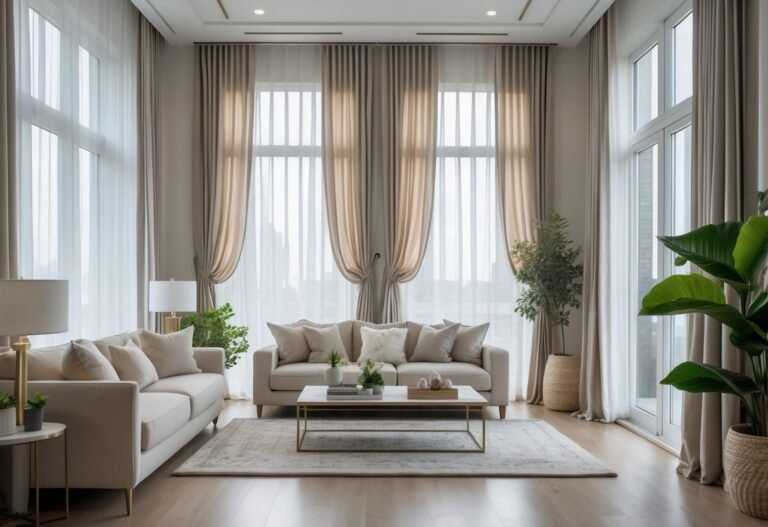
Position seating and mirrors to capture daylight and reflect it deeper into the room. Keep heavy drapery off windows; use light, sheer curtains or top-down shades to control glare without blocking light.
Place taller furniture like bookcases or armoires away from primary windows so they don’t cast large shadows. Use layered lighting — floor lamps near reading chairs, table lamps on side tables, and dimmable overhead lighting — to keep balance when daylight fades.
Choose light-colored upholstery and finishes on floors and walls to increase reflectance. Even small choices, like a low-sheen paint or a light rug, will help spread natural light evenly.
Balancing Visual Weight
Distribute visual weight by mixing large and small pieces across the room. If you have a heavy sofa on one side, balance it with a pair of chairs or a media console on the opposite side.
Use color and texture to shift perceived weight. Dark, dense fabrics read heavier; offset them with lighter tones, metallic accents, or glass surfaces nearby. Place taller elements, such as floor lamps or tall plants, near lower, heavier furniture to create vertical balance.
Anchor the space with a central element — a coffee table, rug, or console — and arrange items so no one corner feels overloaded. Check sightlines from the doorway; you want the room to feel stable and intentional the moment you enter.
Finishing Touches for Elegance
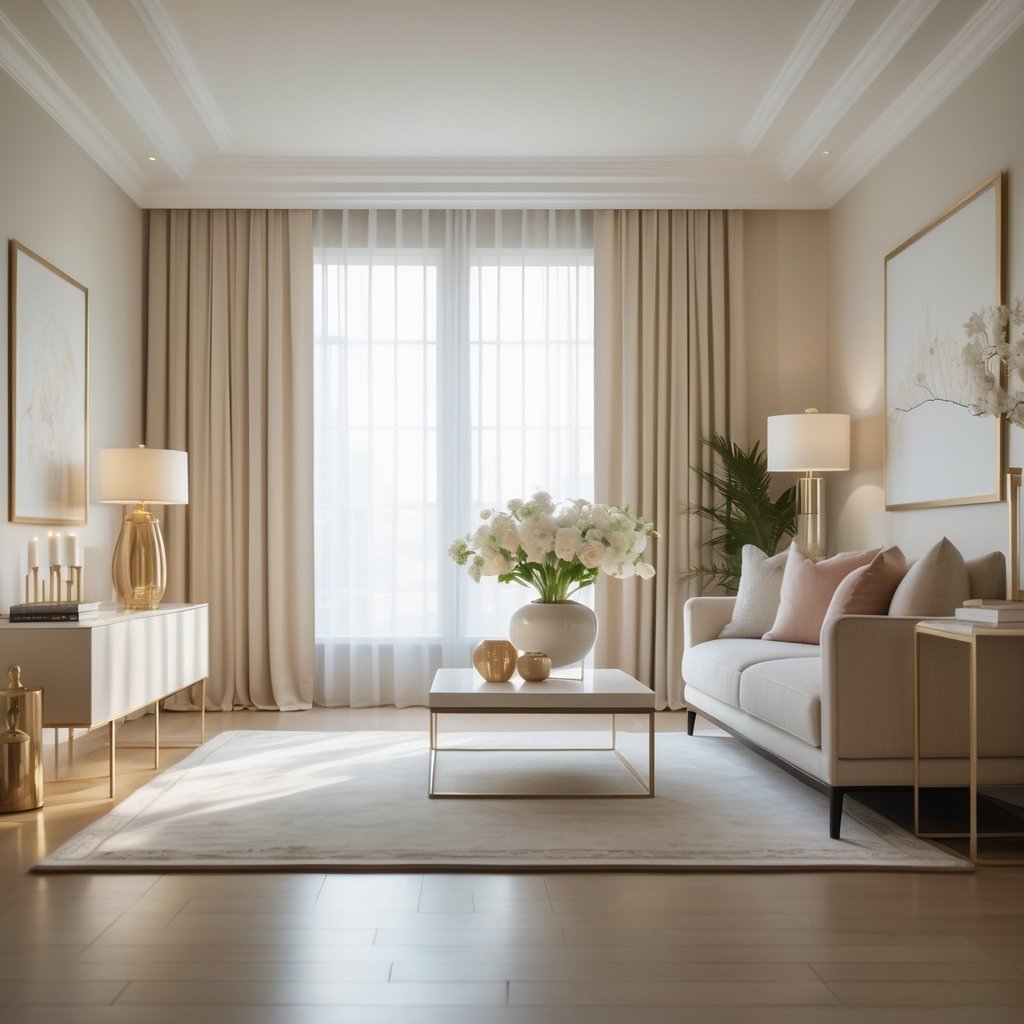
Choose a few high-impact pieces, refine lighting layers, and add soft textures to make the room feel complete. Focus on scale, material quality, and coordinated color to avoid clutter.
Artwork and Statement Decor
Pick one focal piece for the main wall—this could be a large framed print, an oversized mirror, or a bold sculpture. Center it above the sofa or mantel and keep surrounding items minimal so the eye rests on the statement.
Use groups of three for smaller objects: three vases, three framed photos, or a trio of small sculptures on a shelf. Match heights and mix materials (glass, metal, ceramic) to add depth without chaos.
Hang art at eye level: center the piece about 57–60 inches from the floor. If you place multiple frames together, treat them as one unit and maintain consistent spacing of 2–3 inches.
Lighting Selections
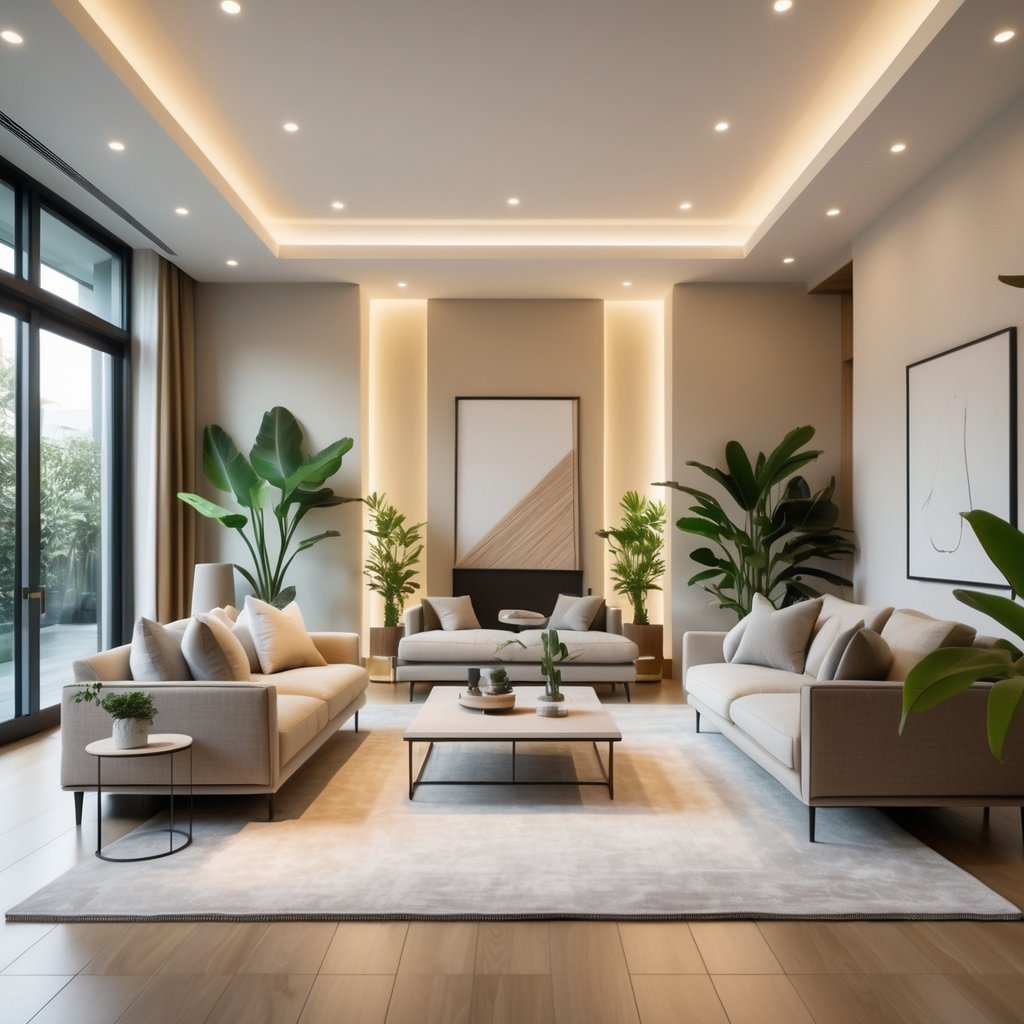
Layer lighting: combine a central fixture, task lamps, and accent lighting. A chandelier or pendant provides presence, table lamps add reading light, and wall sconces or picture lights highlight artwork.
Choose warm bulbs (2700–3000K) to keep skin tones and fabrics natural. Aim for dimmable fixtures so you can change mood and function without swapping lamps.
Scale matters: a chandelier should be about half to two-thirds the width of your seating area. Use shades or diffusers to soften glare and choose metal or glass finishes that echo other hardware in the room.
Textiles and Accessories
Start with a neutral rug that fits under the front legs of all seating to anchor the conversation area. Layer a smaller patterned rug or textured throw to add interest.
Select pillows in different sizes: two large square cushions, two medium rectangles, and one small accent pillow. Mix textures—velvet, linen, knit—but keep colors tied to your palette.
Add a few curated accessories: a coffee table book, a shallow bowl, and a small plant. Keep surfaces partly empty to avoid a crowded look. Rotate items seasonally to keep the room feeling fresh.
Frequently Asked Questions
This section gives clear, practical tips you can use right away: color choices, furniture rules, lighting, space-saving tricks, budget options, and where to look for ideas.
How can I make my living room look elegant and modern?
Choose a calm color palette like warm neutrals, soft gray, or deep navy to set a refined tone.
Add one statement piece — a sleek sofa, a sculptural coffee table, or an artful light fixture — to anchor the room.
Use clean-lined furniture and mix matte and glossy textures for depth.
Keep clutter out of sight with smart storage so the room feels intentional and calm.
What are some simple decorating strategies to achieve an elegant living room?
Limit your palette to two or three coordinating colors to keep the look cohesive.
Layer textures — a wool throw, a leather chair, and a velvet pillow — to add richness without excess.
Place lighting at different levels: a chandelier or pendant, a floor lamp, and table lamps.
Use mirrors or metallic accents sparingly to reflect light and add polish.
Which living room interior design trends are expected to be popular in 2025?
Expect more curved furniture, such as rounded sofas and armless chairs, for softer silhouettes.
Sustainable materials and natural finishes like woven rattan and recycled metals will keep growing.
Warm, earthy color accents will pair with classic neutrals for a cozy yet refined look.
Multifunctional pieces that double as storage or work surfaces will remain practical choices.
How do you decorate a small living room to make it appear more sophisticated?
Pick furniture with exposed legs and low profiles to keep sightlines open.
Choose a light wall color and add one darker accent wall or strong art piece for depth.
Use mirrors to increase perceived space and place lighting to brighten corners.
Opt for multiuse furniture, like an ottoman with storage or a slim console that becomes a desk.
What are some elegant living room design ideas that are also affordable?
Refinish or paint existing furniture in a neutral tone to refresh the look on a budget.
Swap out hardware and light shades for higher-impact, low-cost upgrades.
Shop thrift stores or online marketplaces for one good secondhand sofa or side table.
Add textiles — a quality rug and cushions — to lift the space without large expenses.
Where can I find inspiration for elegant and modern living room designs?
Follow interior design blogs and magazines that show full-room photos and shopping lists.
Browse social media boards and save images that match your color palette and scale.
Visit local showrooms to test fabrics and layouts in person.
Keep a folder of ideas, then pick three elements you like to combine in your own room.