Simple Bedroom Ideas for a Calm and Cozy Space: 10 Practical Tips for Serene, Functional Bedrooms
You can make your bedroom feel calm and cozy without big changes or a big budget. This article shows simple ideas you can use to create a peaceful space that helps you relax and sleep better.
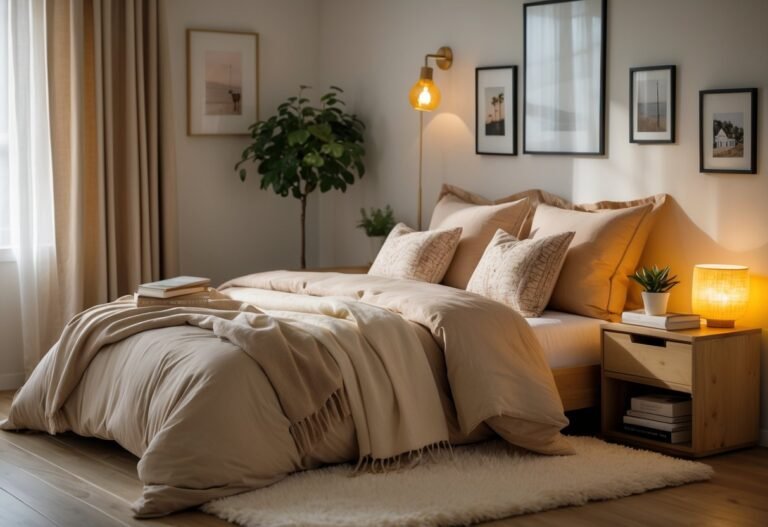
You’ll find clear, practical tips on colors, lighting, furniture, textures, storage, and small decor choices that combine to make a restful, clutter-free room. Follow these ideas at your own pace to build a bedroom that looks tidy, feels warm, and supports better rest.
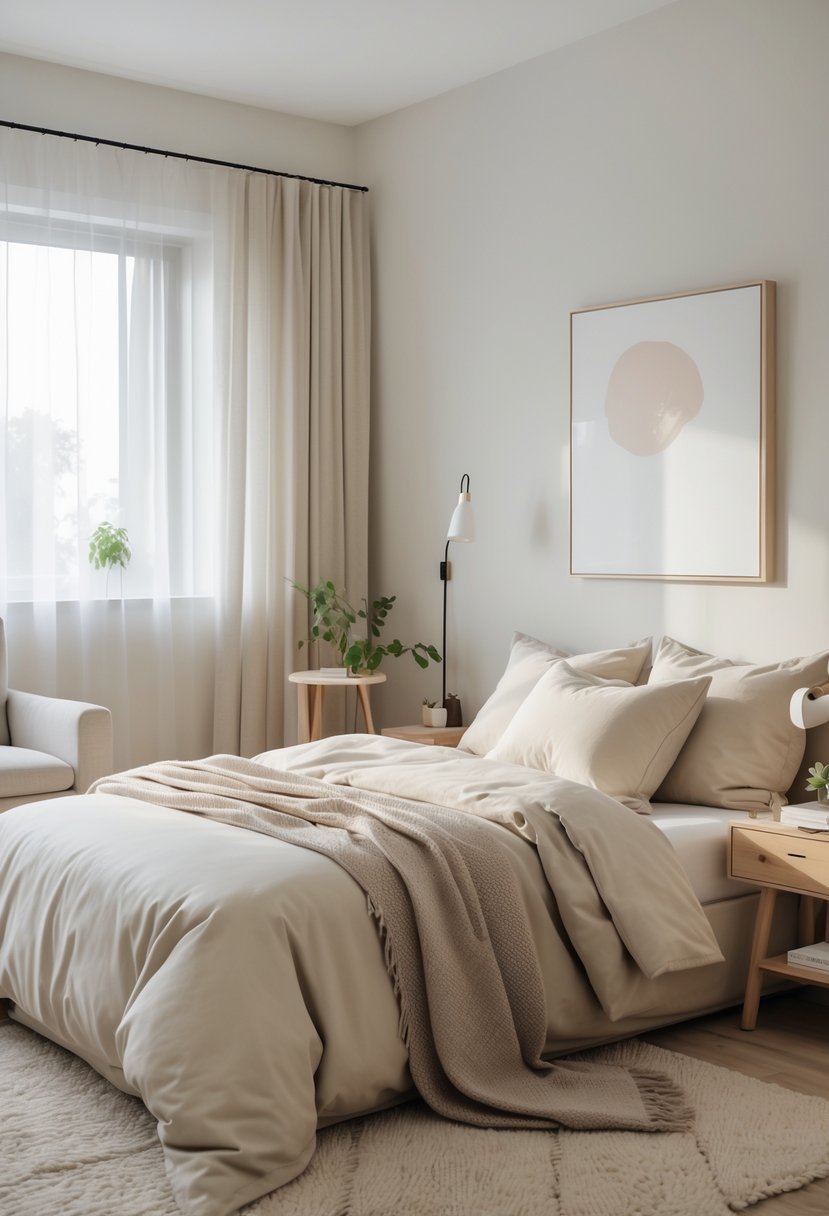
1) Use a neutral color palette with whites, beiges, and soft pastels to create calmness
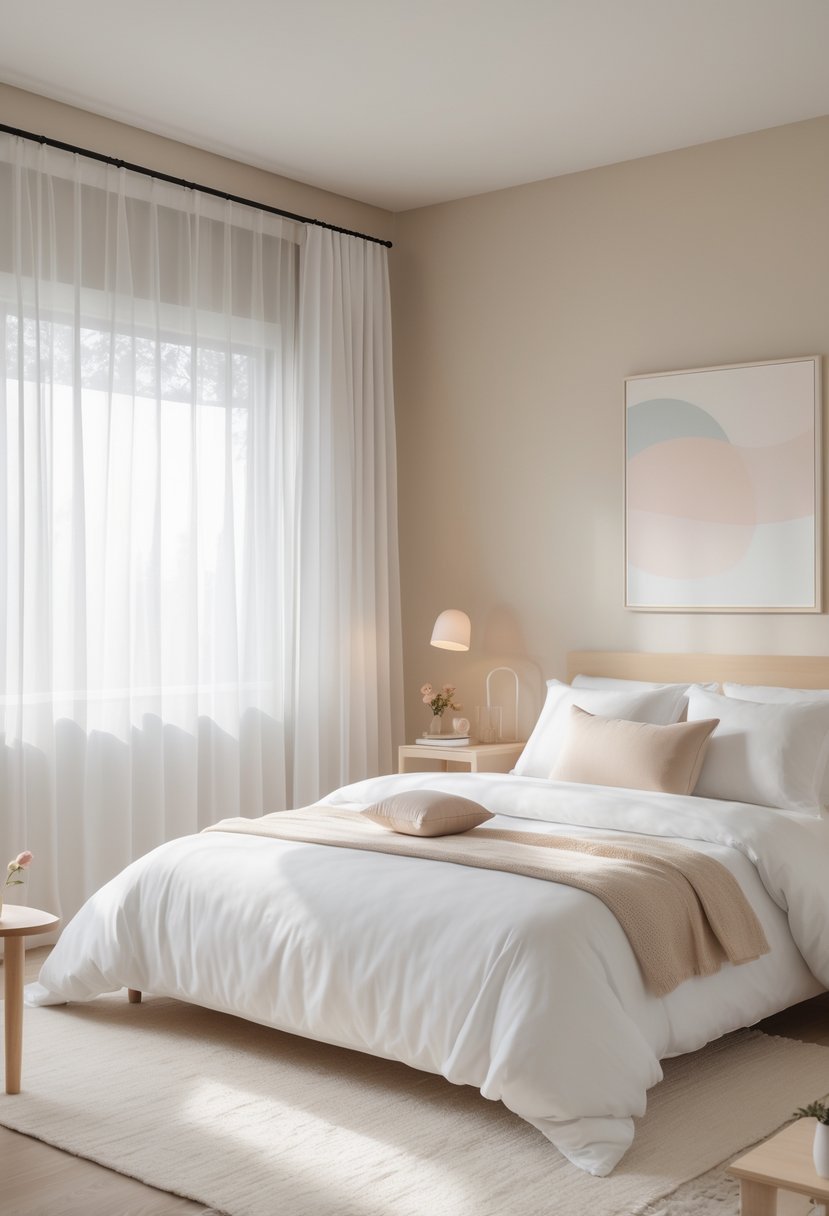
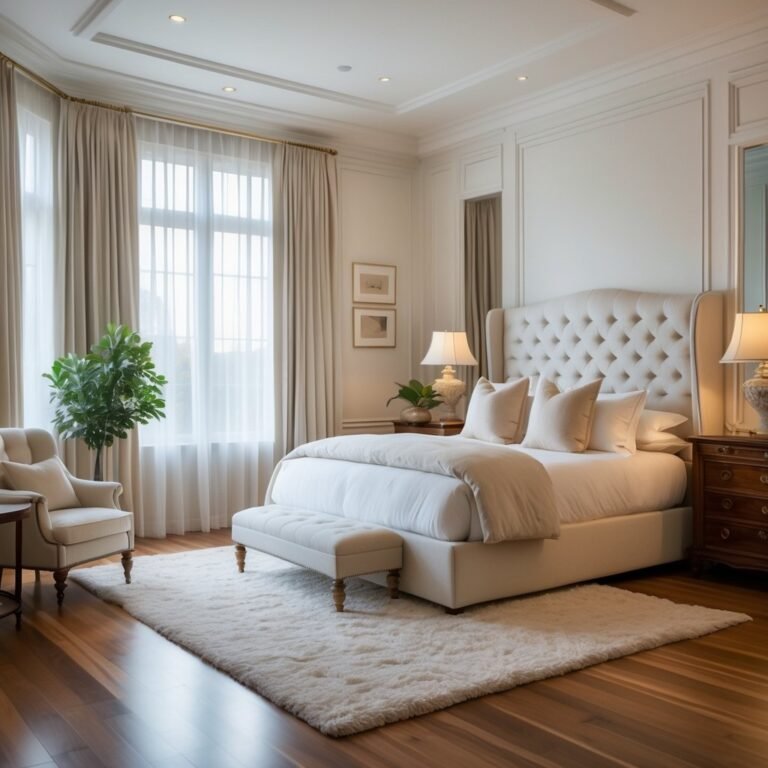
Choose soft whites, warm beiges, and gentle pastels to make your bedroom feel peaceful.
These tones reflect light and open the space without drawing attention away from comfort.
Mix textures like linen, wool, and wood to add warmth and depth.
A neutral base lets you change accents easily while keeping the room serene.
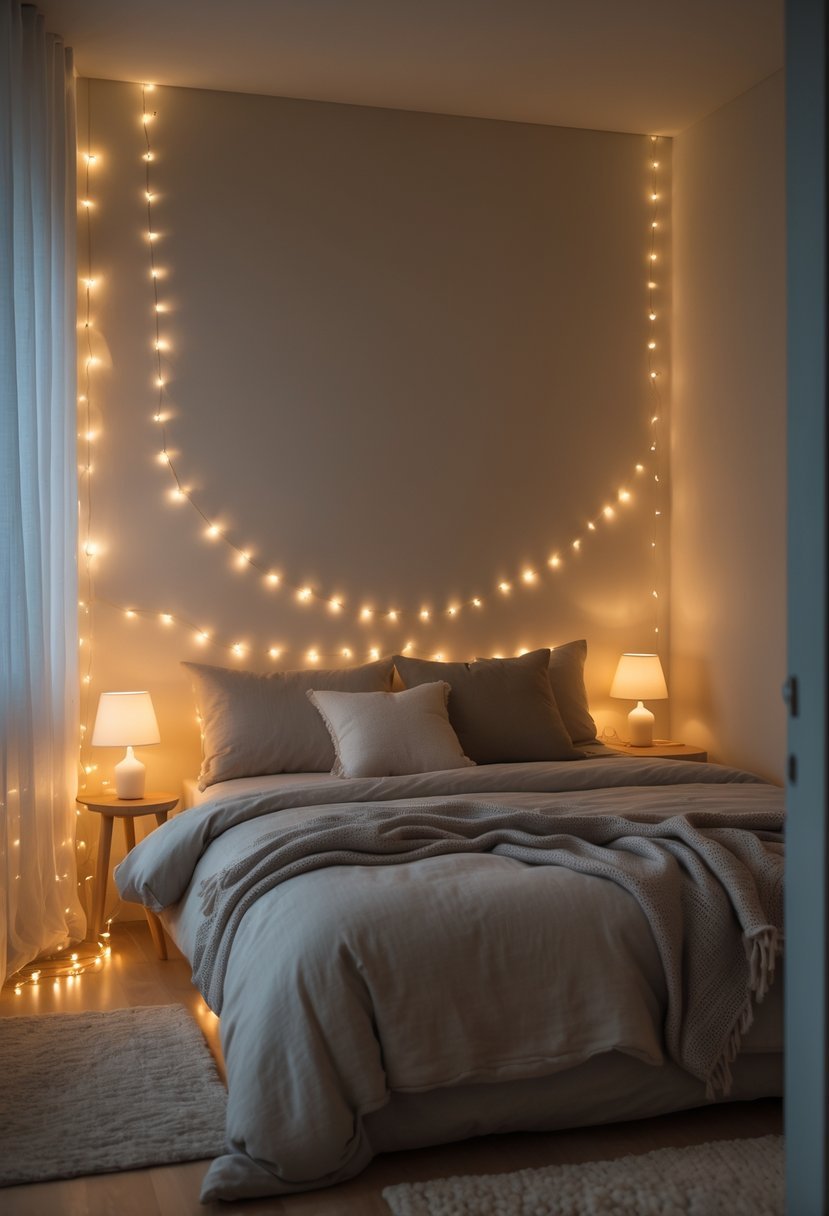
2) Incorporate warm, soft lighting with dimmable lamps and fairy lights
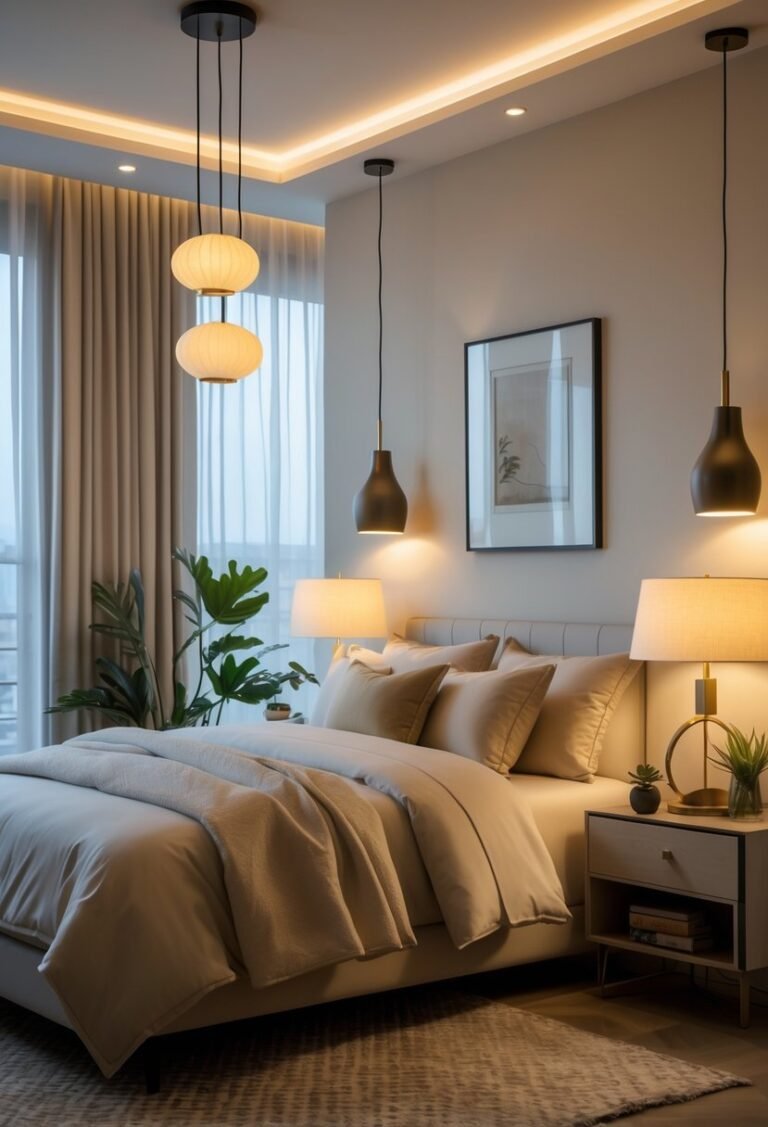
Use warm-toned bulbs and dimmable lamps so you can lower brightness at night and avoid harsh glare. Layer light with a bedside lamp for reading and a soft overhead or floor lamp for a gentle base glow.
String fairy lights or LED strips around a headboard, shelf, or canopy to add a cozy, low-level sparkle. Keep controls easy to reach or use smart bulbs so you can change mood without getting up.
3) Choose a platform bed or low-profile frame for a clean, minimalist look
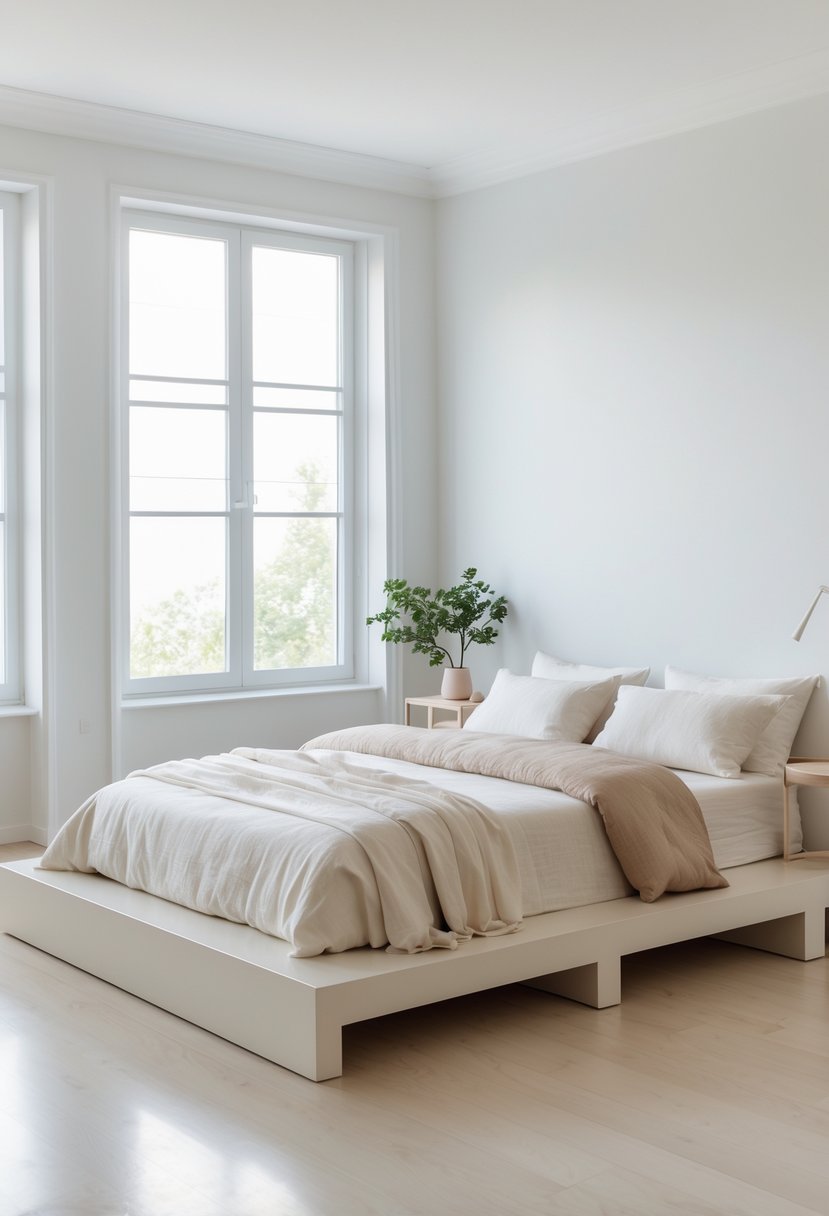
Pick a platform or low-profile frame to keep your room feeling open and calm. These beds sit closer to the floor and cut visual clutter without extra pieces.
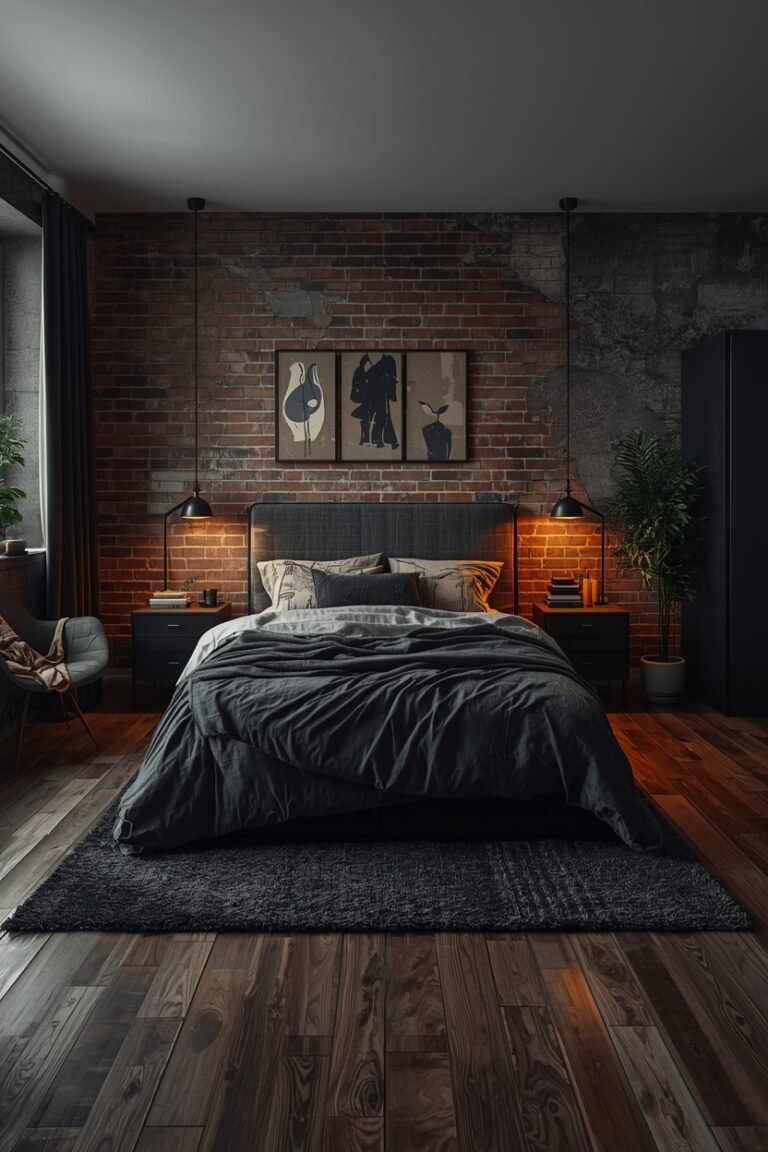
A simple frame often removes the need for a box spring and keeps lines sleek. Look for plain wood or upholstered panels that match your color palette.
Built-in nightstands or cushioned rails add function without fuss. This choice helps your space feel both modern and cozy.
4) Add textured throws and layered bedding for cozy softness
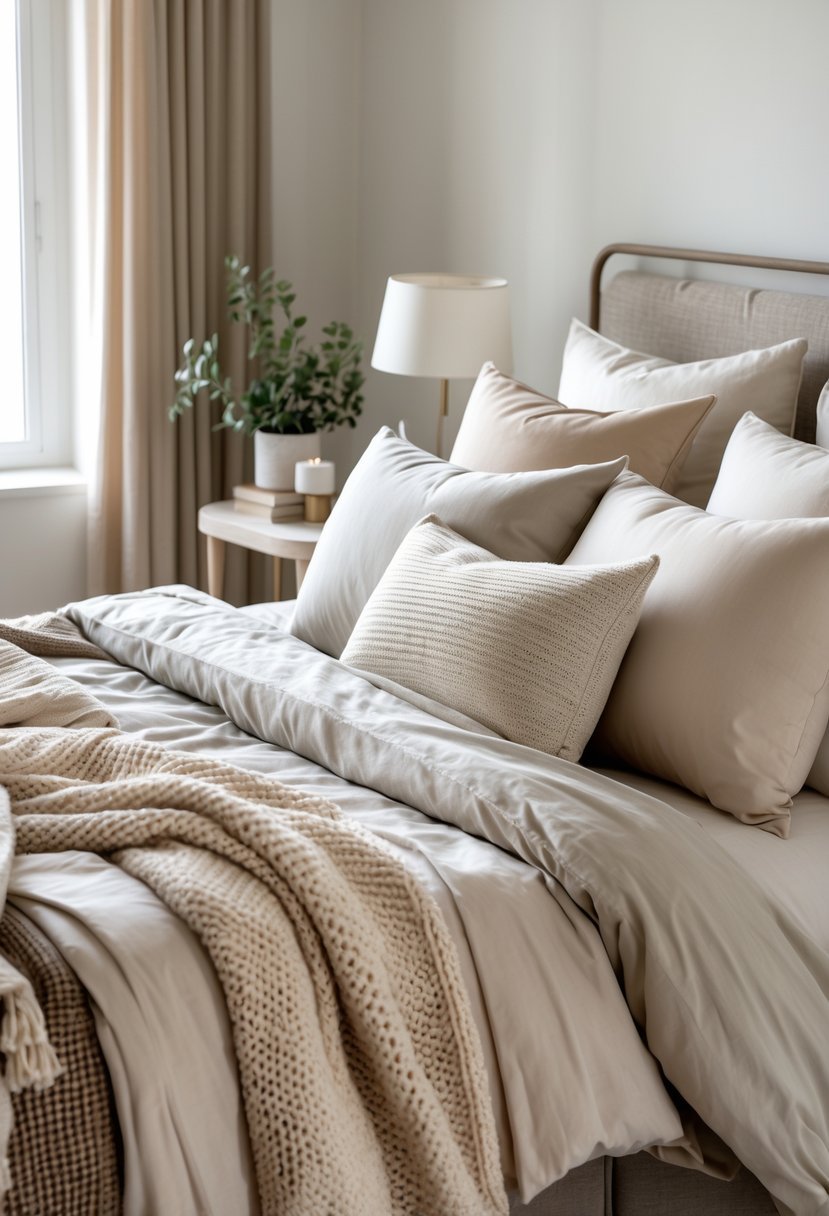
Choose a simple base like cotton sheets and a neutral duvet to keep the look calm.
Layer a quilt or lightweight blanket and finish with one or two textured throws for warmth and visual interest.
Mix textures—linen, waffle weave, and a chunky knit—so the bed feels inviting without clutter.
Fold a throw at the foot of the bed and add a couple soft pillows to make the space feel intentional and cozy.
5) Keep surfaces clutter-free with smart storage solutions
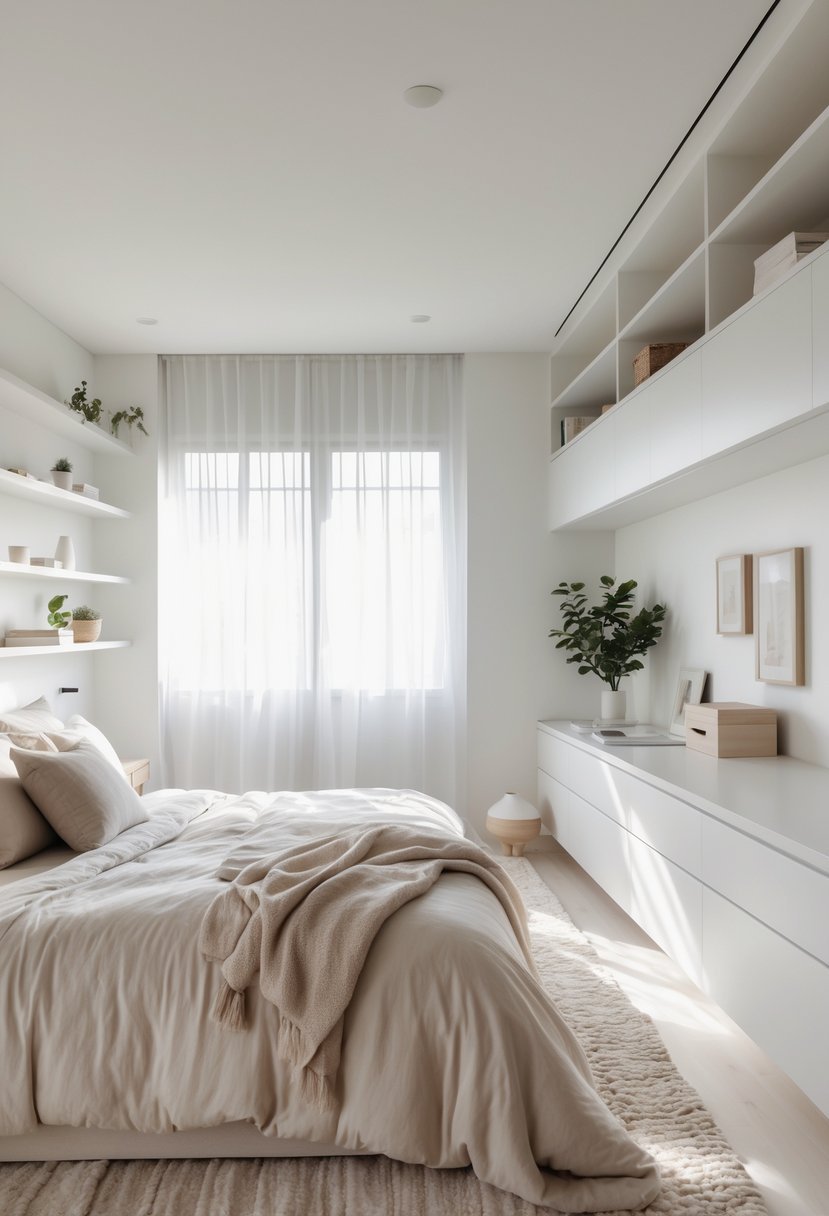
Clear surfaces help you feel calm. Use trays, small bins, or a catchall dish for daily items like keys, glasses, and phones.
Choose furniture with built-in storage, such as nightstands with drawers or beds with under-bed bins. Wall shelves and hooks free floor space and keep things visible but tidy.
Limit decorative items to one or two pieces per surface. Regularly put things back in their spots so surfaces stay clear.
6) Integrate natural elements like wooden furniture and plants
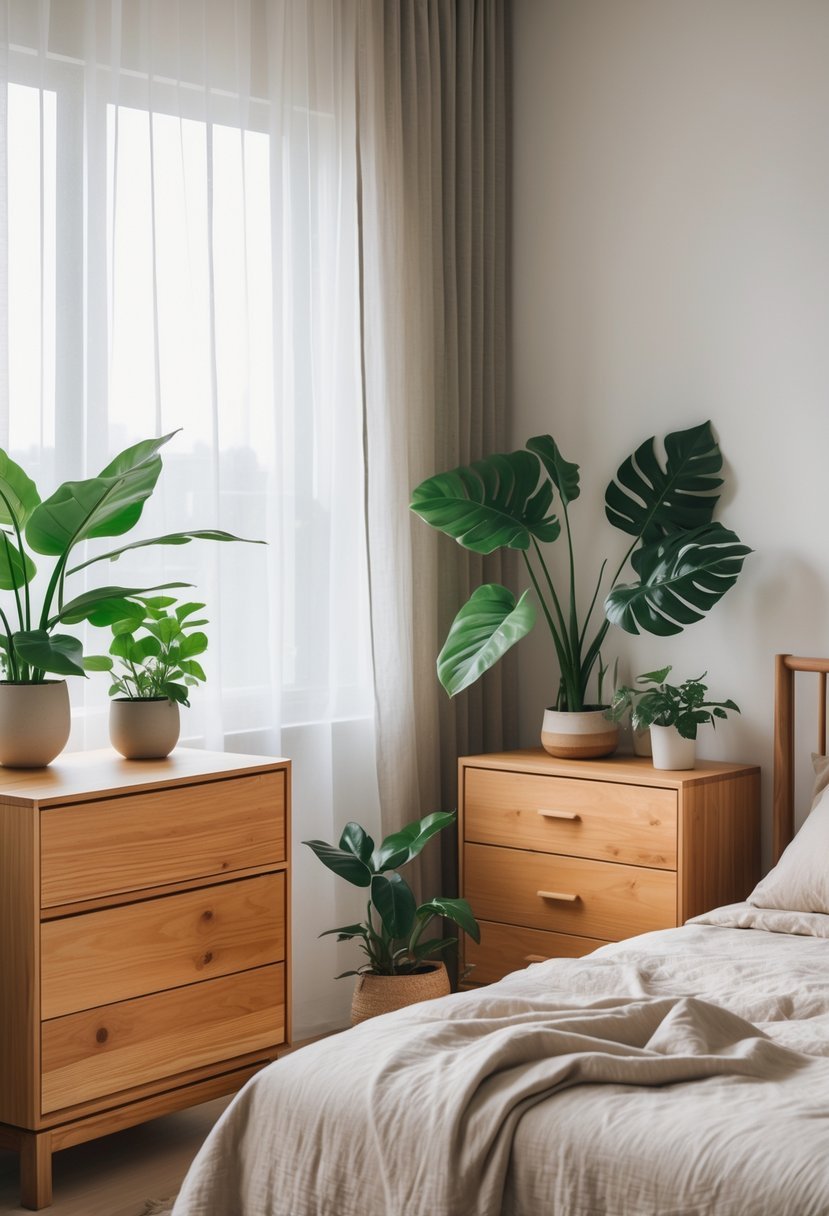
Add wooden furniture to bring warmth and simple texture to your room. Choose pieces with clean lines to keep the look calm and uncluttered.
Place a few low-maintenance plants near light sources to improve air and add life. Use woven baskets or ceramic pots for a natural, cozy touch.
Mix wood tones with soft textiles like linen or cotton to balance warmth and comfort. Keep plant placement minimal to avoid visual clutter.
7) Opt for blackout curtains to improve sleep quality
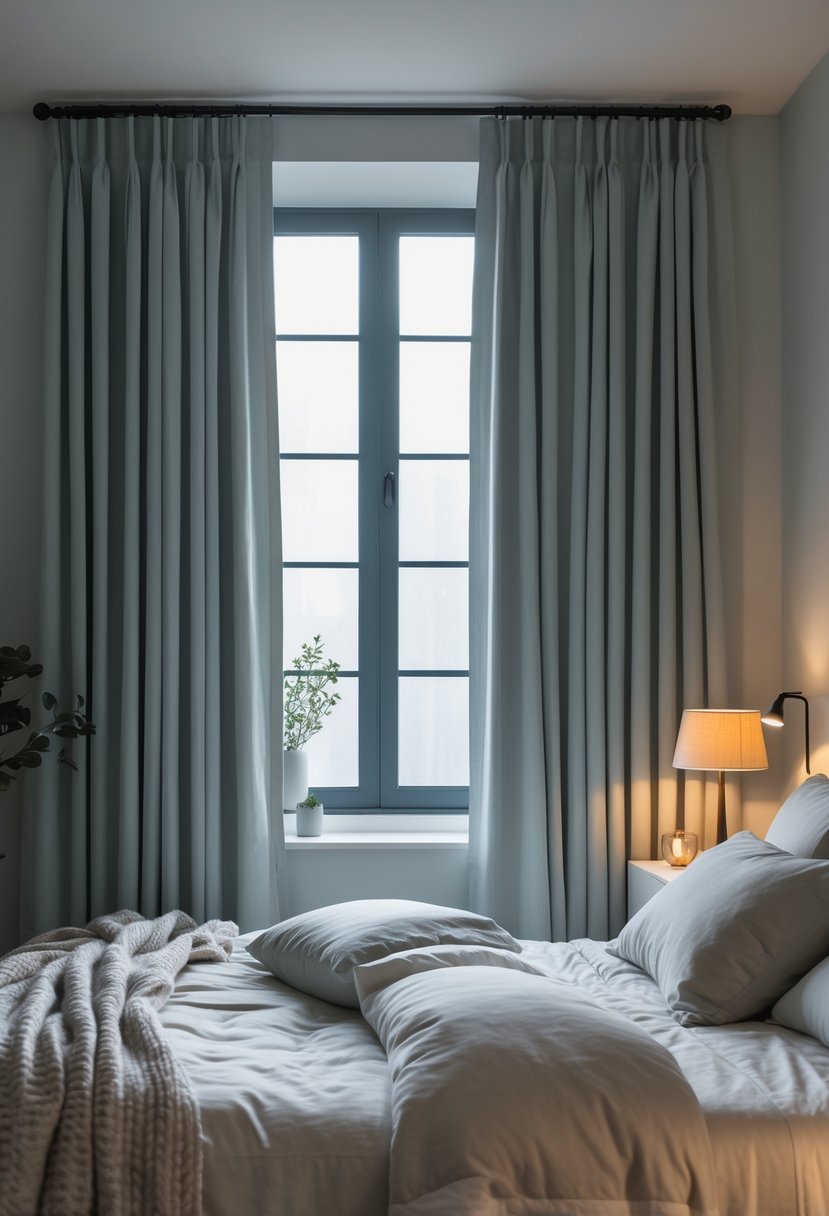
Choose blackout curtains to block streetlights and early sun. They reduce light that disrupts sleep and help you fall asleep faster.
Thicker fabrics also cut noise and help keep room temperature steady. This makes your bedroom feel calmer and more comfortable.
Pick a color and texture that fits your style so the room stays cozy as well as dark. Install full-length panels for best coverage.
8) Use simple, streamlined furniture to avoid overcrowding
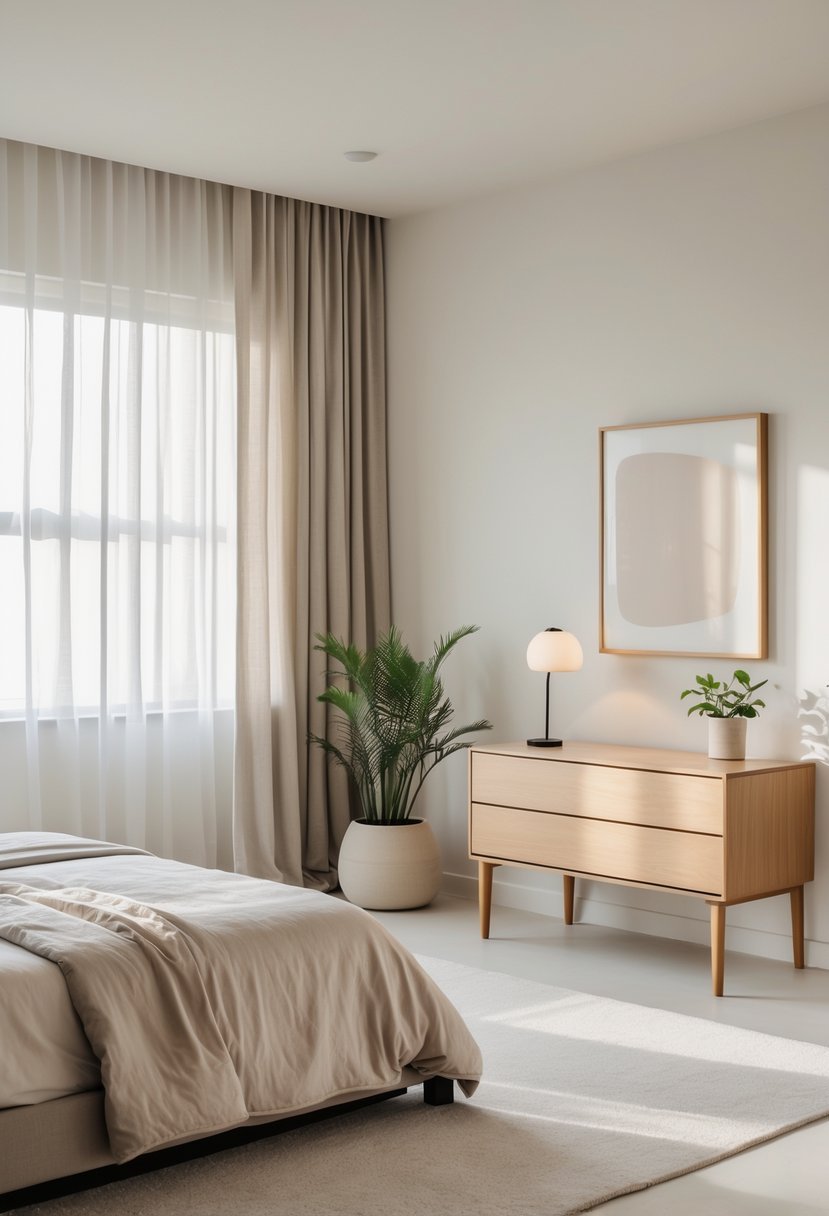
Choose furniture with clean lines and a small visual footprint so your room feels open. Pick a low-profile bed or a narrow dresser to keep walkways clear.
Limit pieces to what you need and favor multipurpose items like a storage bench. This cuts clutter and makes cleaning easier.
Stick to neutral tones and simple materials to create a calm, cohesive look. You’ll notice the room feels larger and more restful.
9) Incorporate soft area rugs for warmth and comfort
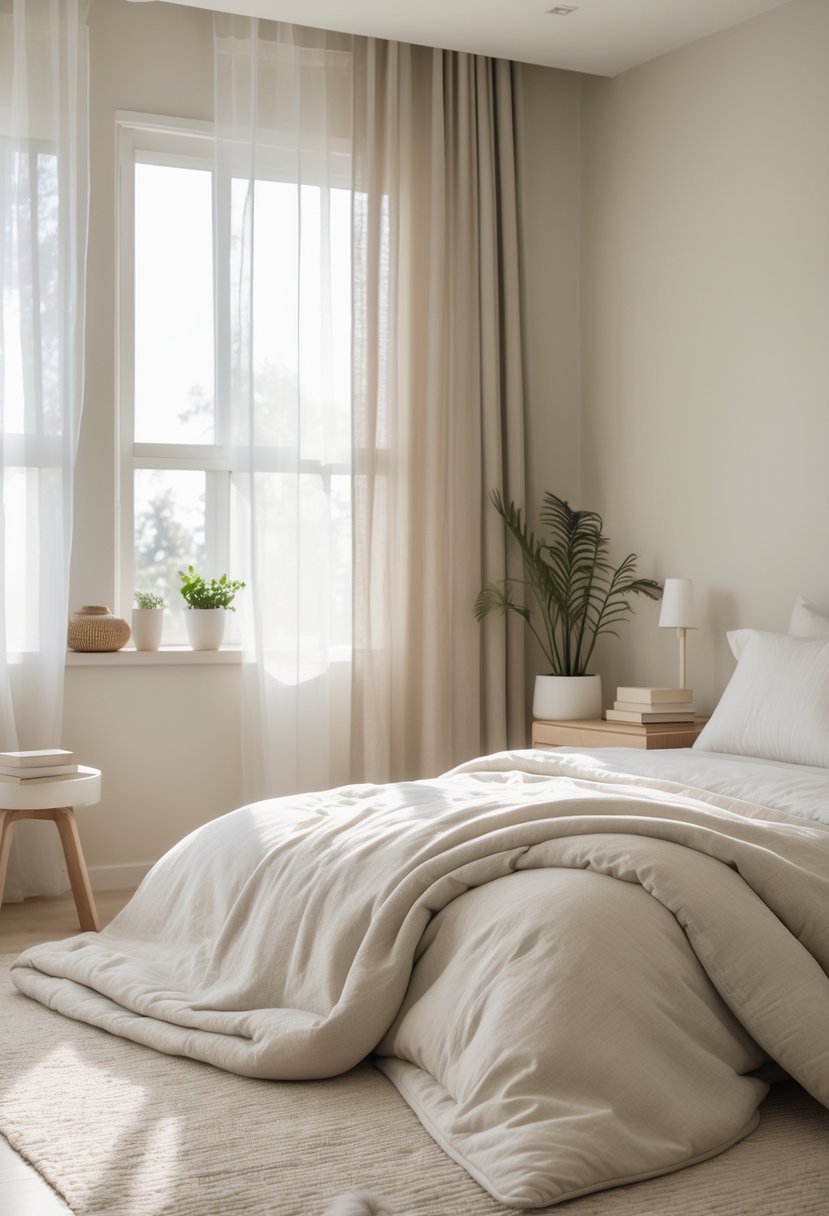
Choose a soft rug to make your bedroom feel warmer and calmer. A plush or low-pile rug cushions your steps and adds a cozy layer underfoot.
Place the rug under the bed so it peeks out on both sides for balance. Pick neutral tones or subtle patterns to keep the room simple and soothing.
Clean and vacuum regularly to keep the rug fresh. Natural fibers like wool add warmth, while synthetic blends are easier to maintain.
10) Display minimal decor with calming artwork or prints
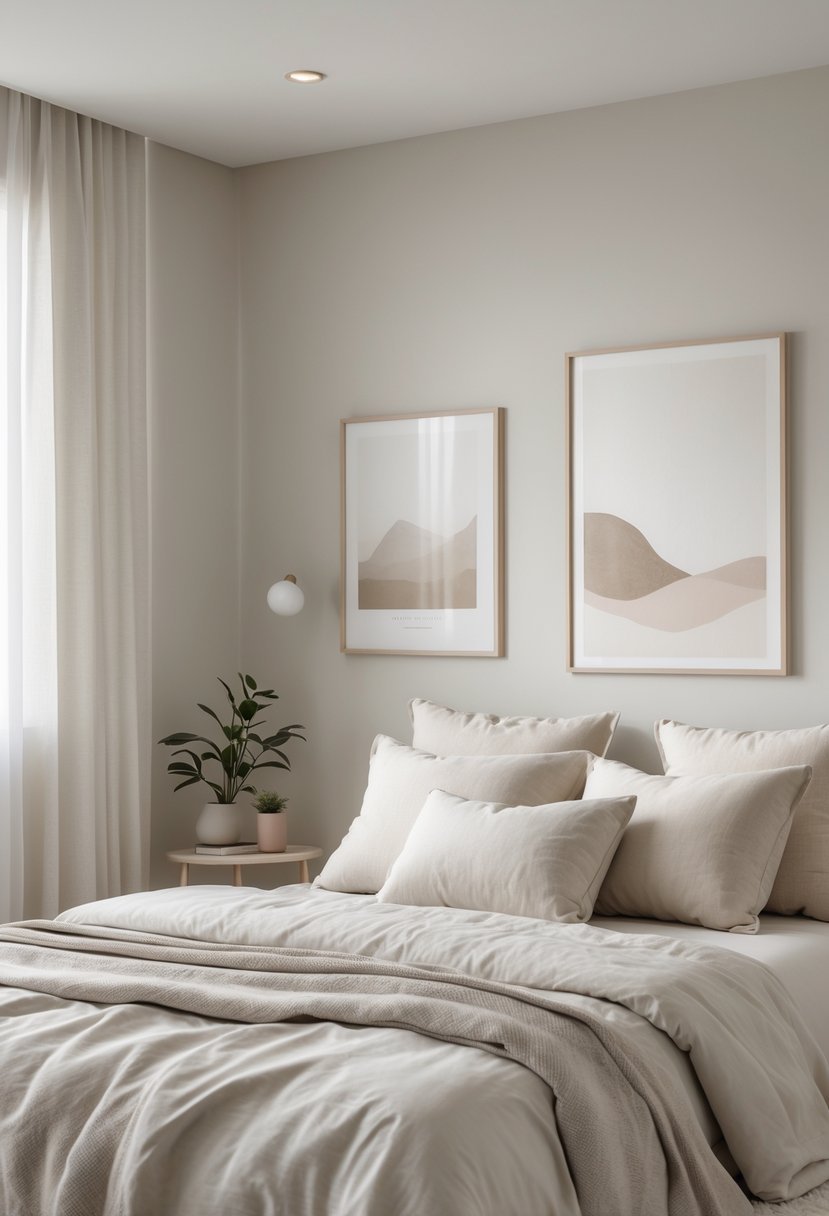
Choose one or two simple pieces that speak to you rather than filling walls with many items. Neutral colors, soft lines, and nature scenes help your mind relax.
Hang artwork at eye level above the bed or a dresser to create a focal point. Use slim frames or unframed prints for a clean look that keeps the room airy.
Rotate pieces seasonally or swap prints to keep the space fresh without adding clutter. Keep other surfaces clear so the art can breathe.
Principles of Creating a Calm and Cozy Bedroom
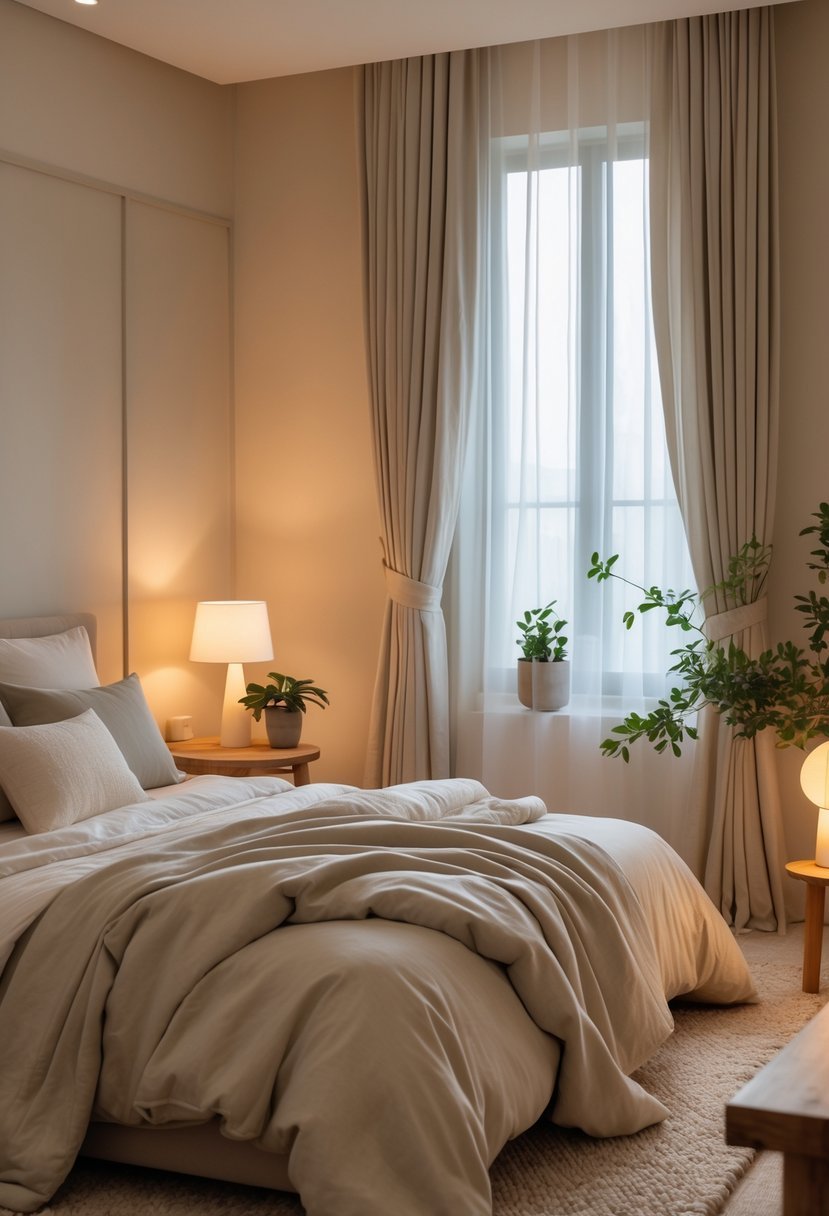
Use soft, natural choices that reduce visual clutter and make the room feel restful. Focus on a limited palette, layered textures, and lighting you can dim or warm to match your mood.
The Importance of Color and Texture
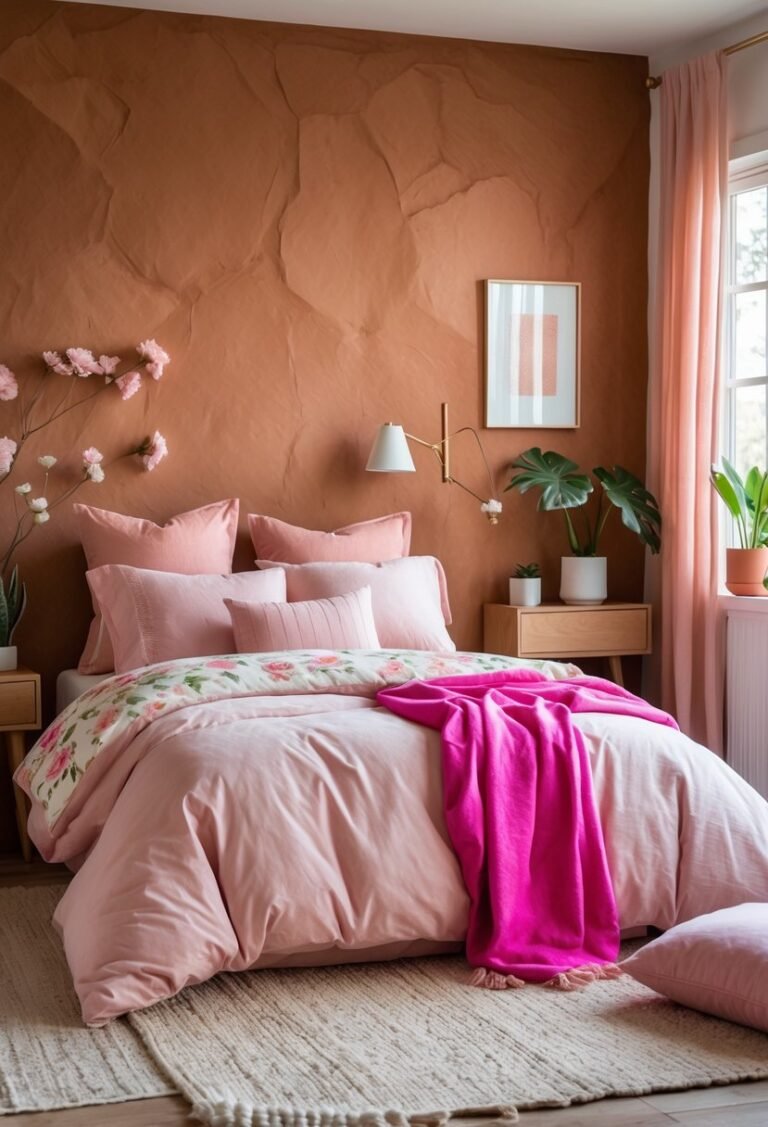
Choose a base wall color that soothes you. Soft neutrals like warm beige, muted gray, or pale green cut visual noise and let other elements stand out. Limit accent colors to one or two — for example, a dusty blue throw and a terracotta lamp — to keep the space calm.
Add texture to create warmth without clutter. Layer a cotton sheet, a wool throw, and a linen duvet for tactile variety. Place a low-pile rug by the bed to make cold floors feel inviting. Use matte finishes on furniture and avoid glossy surfaces that reflect light and draw the eye.
Balance scale and pattern. Keep large pieces simple and introduce small-patterned pillows or a subtle striped blanket. This gives interest without overwhelming the room. Aim for repeatable colors and textures so everything reads as a cohesive set.
Lighting Techniques for Relaxation
Start with three light layers: ambient, task, and accent. Use a soft overhead fixture or a dimmable ceiling light for general brightness. Add bedside lamps with warm bulbs (2700–3000K) for reading and a floor lamp near a chair for focused tasks.
Control light level and direction. Install a dimmer on overhead lights and use lamps with shades that direct light downward to avoid glare. Place string lights or a small wall sconce for indirect, low-level glow that helps you unwind before bed.
Choose bulbs and switches that support your routine. Warm LED bulbs reduce blue light compared to cool white bulbs. Use timers or smart bulbs to lower brightness gradually at night and to brighten slowly in the morning, helping regulate your sleep cycle.
Maintaining a Serene Atmosphere
Keep surfaces clear, control scents, and set simple routines that make calm the default in your room. Small, daily habits keep the space tidy and the air soothing so you wake up and sleep in a peaceful setting.
Clutter Reduction Strategies
Decide on one place for items you use daily, like a tray for keys or a basket for chargers. When everything has a home, you spend less time hunting and more time relaxing.
Use short, repeatable routines: do a 5-minute tidy each evening and put clothes away right after you change. Small habits prevent piles from forming and keep surfaces clear for light and movement.
Choose storage that fits the room: under-bed bins for off-season clothes, a bedside drawer for books and glasses, and hooks for bags or robes. Label bins or use clear containers so you can find things fast.
Limit decor to a few meaningful pieces. Too many objects make the room feel busy. Keep flat surfaces mostly open so light and calm can flow.
Incorporating Calming Scents
Pick one or two mild scents that help you relax, such as lavender or chamomile. Use a diffuser or reed sticks for steady, low-level scent rather than strong sprays that can be overpowering.
Place scent sources away from fabric if you sleep hot or have allergies. A small diffuser on a nightstand or a sachet in a drawer gives gentle fragrance without filling the whole house.
Rotate scents by season or mood: citrus or peppermint in the morning for alertness, lavender or sandalwood in the evening for sleep. Keep essential oils out of reach of children and pets, and follow dilution and safety instructions.
If you prefer no added scent, use regular cleaning and open a window briefly each day to keep air fresh without artificial fragrances.
Frequently Asked Questions
These answers focus on specific, low-effort choices you can make right away: color, lighting, bed style, bedding layers, and smart storage. Each suggestion ties back to using neutrals, warm lighting, low-profile beds, textured layers, and clutter-free surfaces.
What are some cost-effective methods to create a calm and cozy bedroom atmosphere?
Choose a neutral paint like soft beige or pale gray to set a calm base. Paint and a few accessories are inexpensive but change the mood a lot.
Use warm, soft lighting with a dimmable lamp or string lights. Replace one overhead bulb with a warm LED and add a bedside lamp for low cost.
Add one textured throw and two layered blankets on the bed. Textiles make the space feel cozy without a big budget.
Declutter surfaces and add simple storage like baskets or under-bed boxes. Clear surfaces instantly feel calmer and keep the space functional.
How can I apply the 60-30-10 color rule to design a more relaxing bedroom space?
Make 60% of the room a neutral color on walls and large furniture—white, beige, or pale gray work well. This creates a calm backdrop.
Use 30% for secondary tones like a soft pastel on bedding or curtains. These add warmth without overpowering the room.
Reserve 10% for accents such as a throw pillow, a lamp shade, or a small art piece. Keep accents muted and warm to maintain a relaxing feel.
What strategies can couples use to ensure their bedroom feels cozy and intimate?
Agree on a neutral main palette for walls and large furniture to avoid visual conflict. Neutrals keep the room peaceful for both partners.
Use layered bedding you both like—one textured throw and shared cozy blankets create a warm, shared space. Pick materials both find comfortable.
Set shared lighting rules: a dimmer, two bedside lamps, or low-wattage bulbs work best. Soft light helps create intimacy and lets one person read while the other rests.
How can one achieve a calming bedroom aesthetic using minimal elements?
Choose a low-profile bed or platform frame with clean lines. It reduces visual clutter and gives a minimal, calm look.
Limit decorations to two or three tactile items: a textured throw, one piece of art, and a small lamp. Keep surfaces clear to maintain simplicity.
Use a neutral color palette and one soft accent color. That keeps the room restrained and restful without many pieces.
What are some simple tips for turning a small bedroom into a peaceful retreat?
Keep walls light and neutral to make the room feel larger. Soft whites and beiges reflect light and open the space.
Use multifunctional furniture like a bed with drawers or slim bedside tables. Smart storage frees floor space and keeps surfaces tidy.
Choose compact lamps and slim-profile furniture. Small pieces with warm lighting create coziness without crowding the room.
How do you design a bedroom to be comfortable and serene on a limited budget?
Start with paint and lighting—both give big returns for little money. A fresh neutral coat and a warm bulb change the whole feel.
Invest in one good textured throw and layered bedding rather than many decor items. Quality textiles add comfort and look intentional.
Declutter and organize with low-cost solutions like baskets and shelf dividers. Clear surfaces and hidden storage keep the room calm and usable.