7 Bedroom Ideas for Creating Functional, Stylish Spaces
You want a seven-bedroom space that feels thoughtful, useful, and inviting. This article shows practical ideas and clear design moves you can use to shape each room for sleeping, working, hosting, and relaxing.
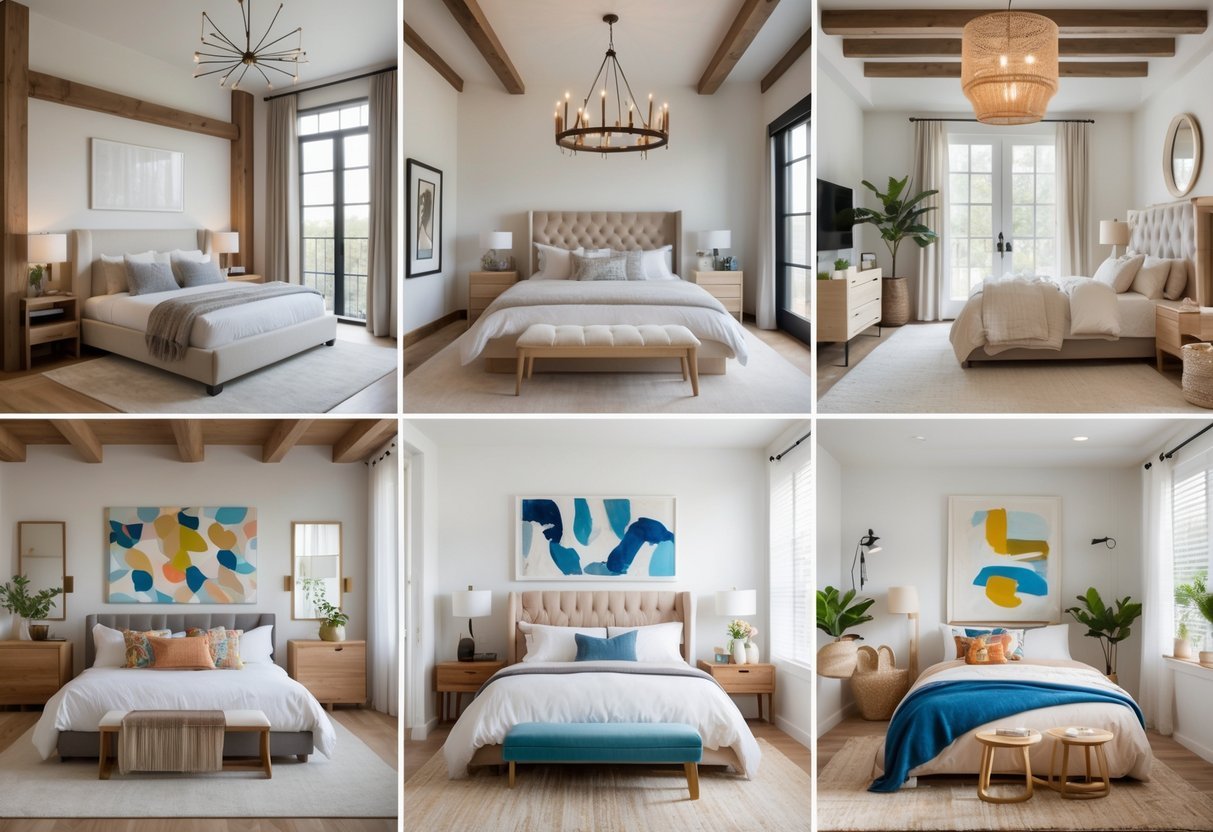
You will find tips on lighting, textures, color, storage, furniture mix, plants, and common layout challenges so you can plan rooms that work together. Expect straightforward guidance that helps you make confident choices for a large home.
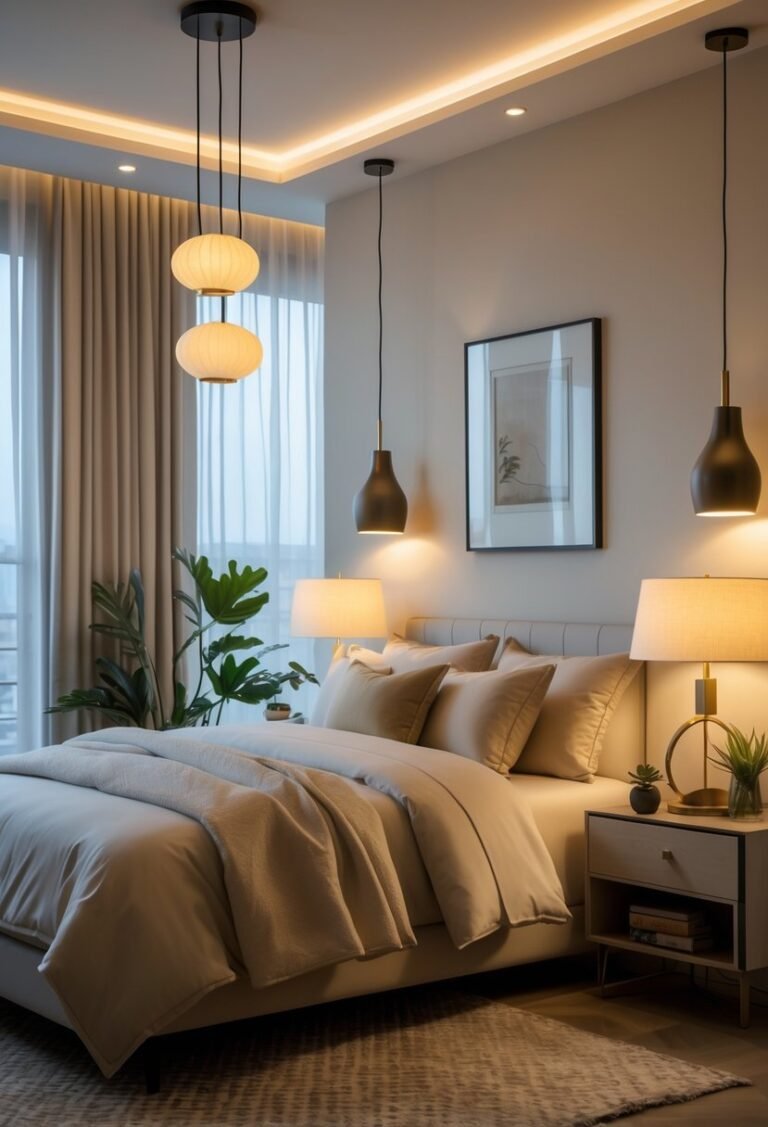
1) Layered lighting with dimmers for mood control
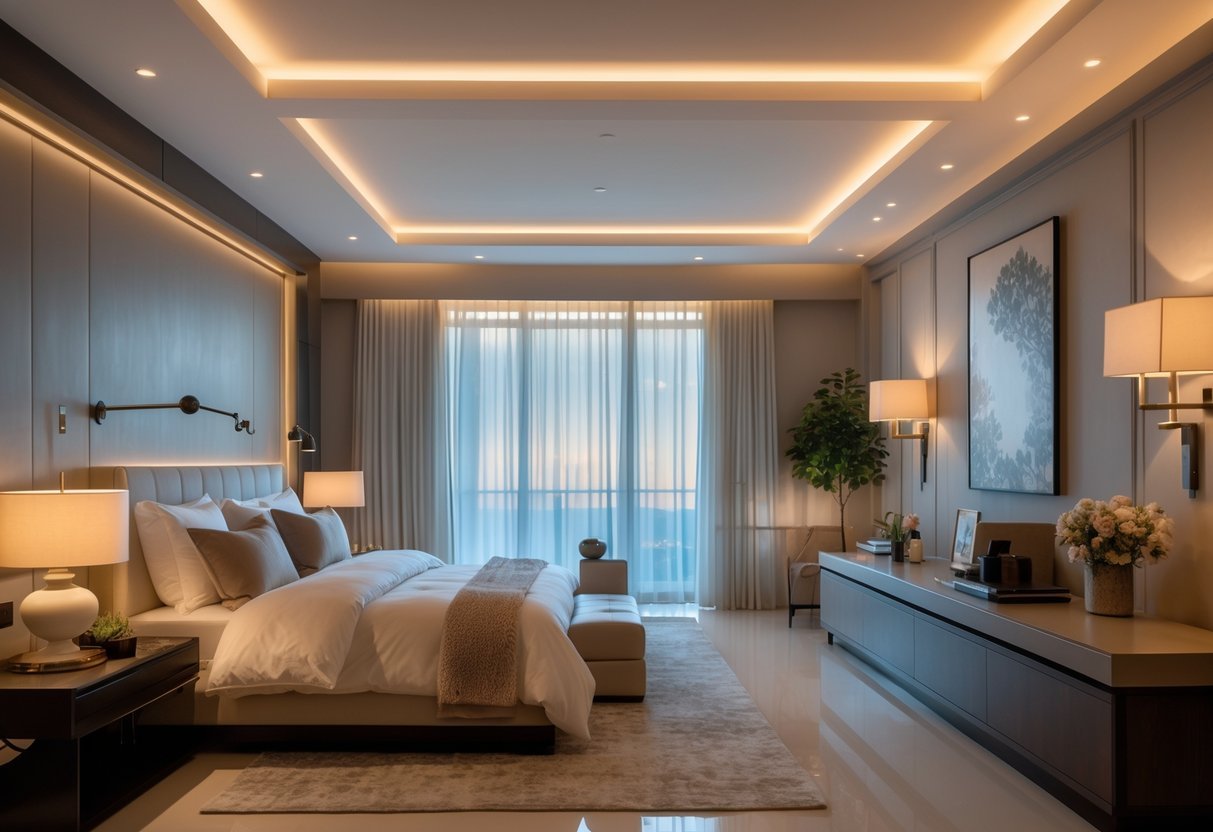
You can use three layers of light: ambient, task, and accent. Each layer serves a different purpose and makes the room flexible.
Install dimmers so you control brightness for each layer. Lower light for sleep and higher light for reading or dressing.
Choose warm bulbs (2700–3000K) to keep the room cozy. LEDs work well and save energy while giving smooth dimming.
2) Incorporate natural textures like wicker and linen
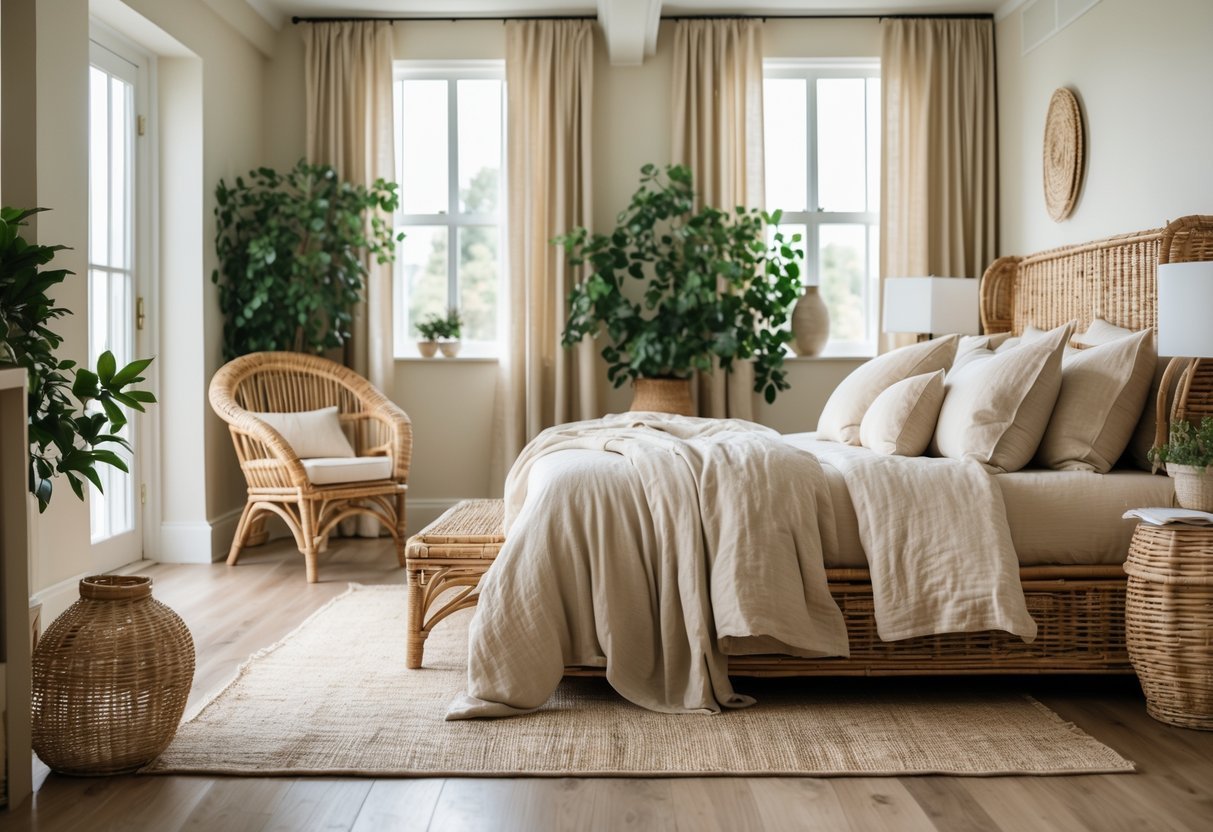
Use wicker, rattan, and jute to add warm, tactile layers without clutter. These materials bring subtle pattern and depth to your room.
Choose linen bedding and curtains for a soft, breathable feel. Linen wrinkles slightly, which adds a relaxed, lived-in look.
Mix textures by pairing a woven rug with smooth wood furniture. Small woven baskets work as storage and add visual interest.
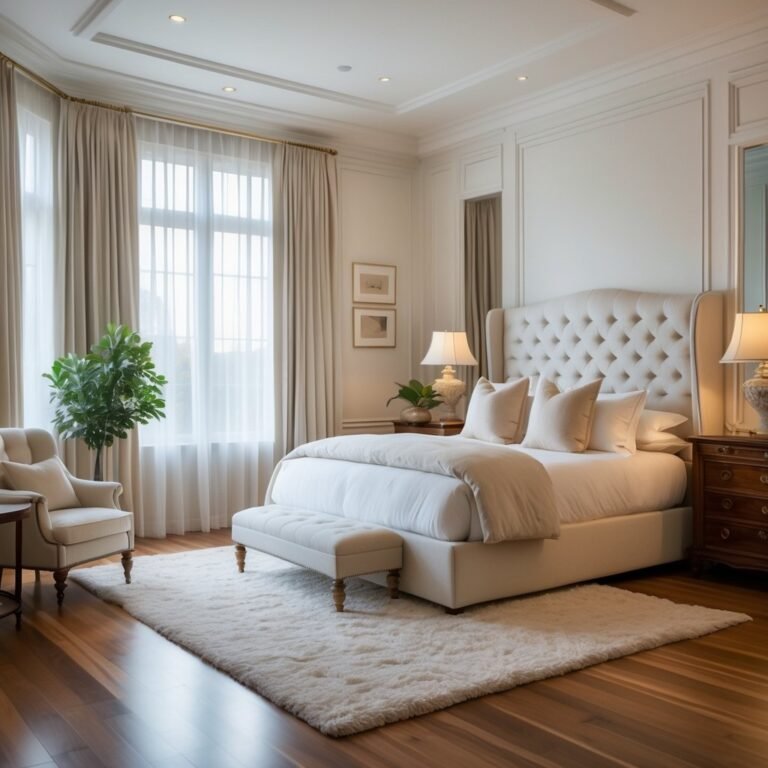
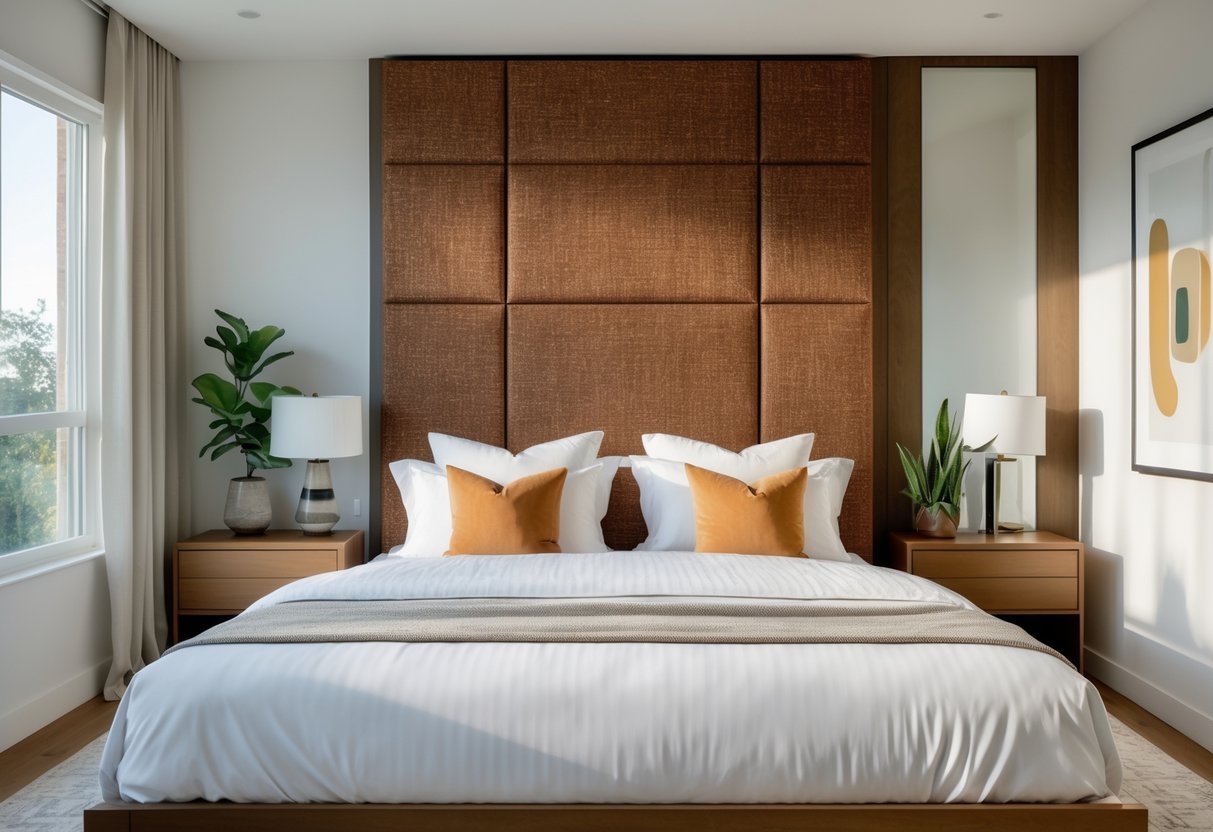
3) Use a statement headboard as a focal point
Pick a headboard that shows your style—bold color, textured fabric, or reclaimed wood work well. It draws the eye and makes arranging the rest of the room easier.
Match pillows and lighting to the headboard to create balance. Keep surrounding decor simple so the headboard stays the main attraction.
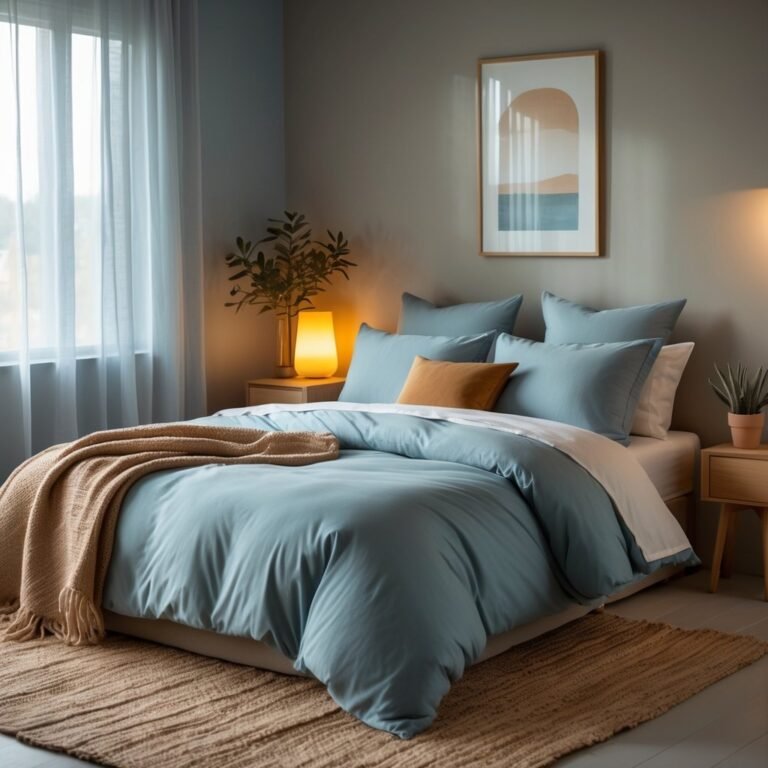
4) Opt for calming color palettes such as muted blues and greens
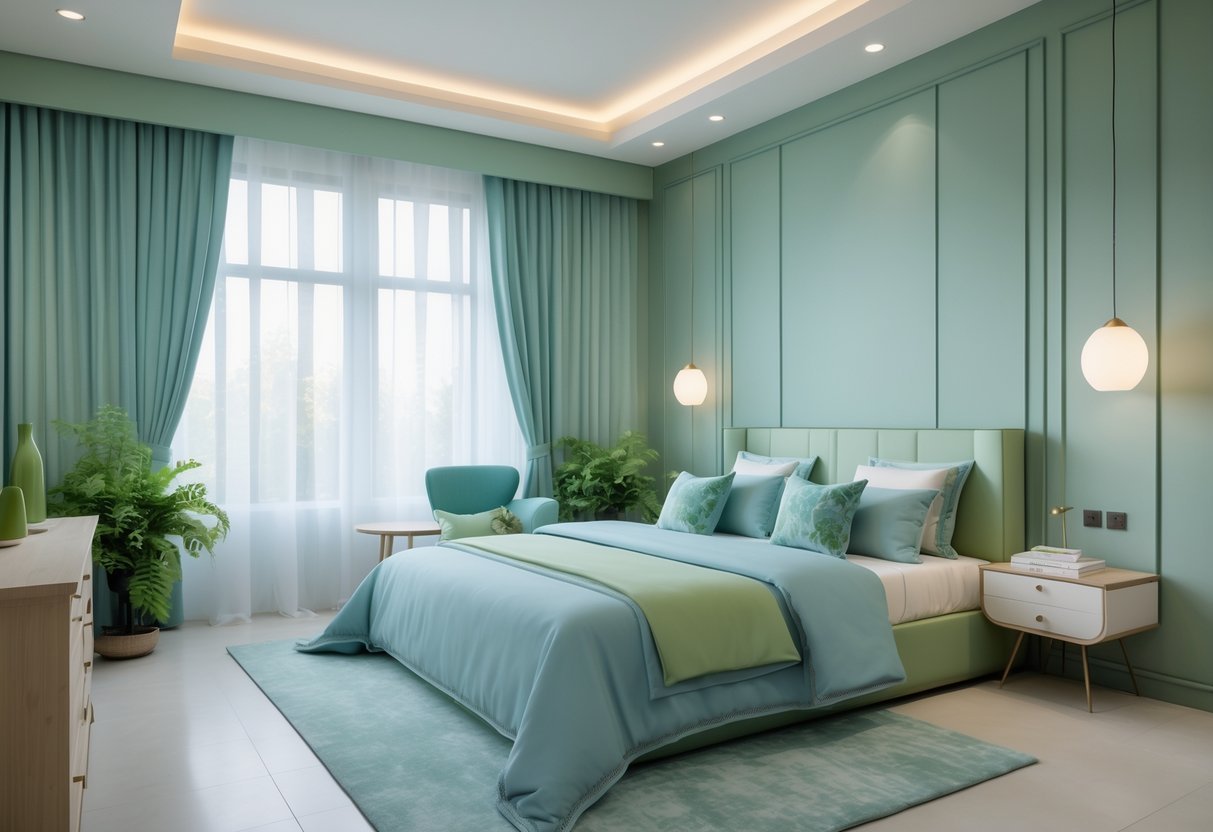
Choose muted blues and greens to make your bedroom feel calm and steady. These colors reduce visual noise and help you relax after a long day.
Pair them with warm neutrals like beige or soft white to keep the room balanced. Use the colors on walls, bedding, or curtains for a gentle, layered look.
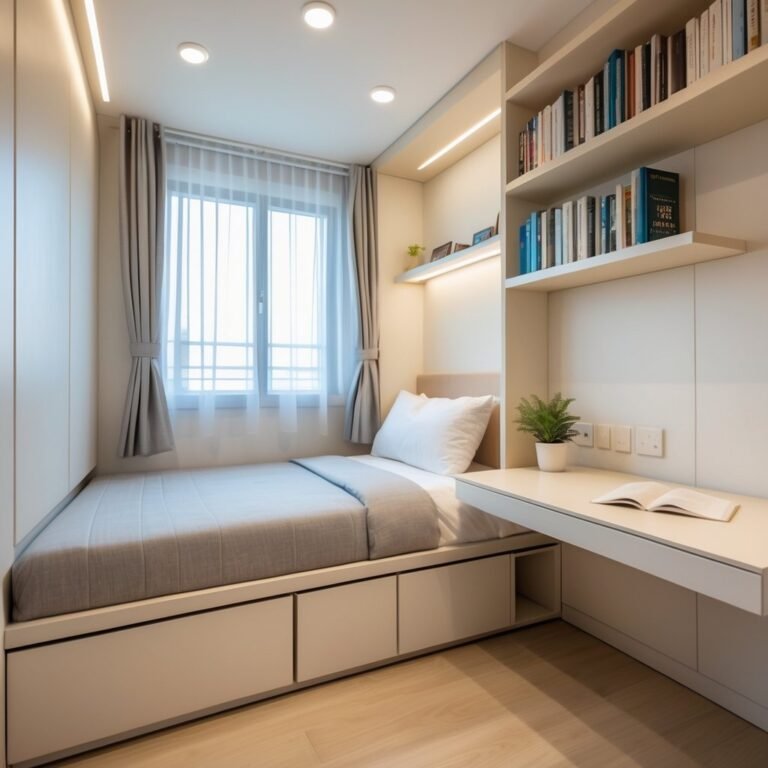
5) Add built-in shelving for both storage and display
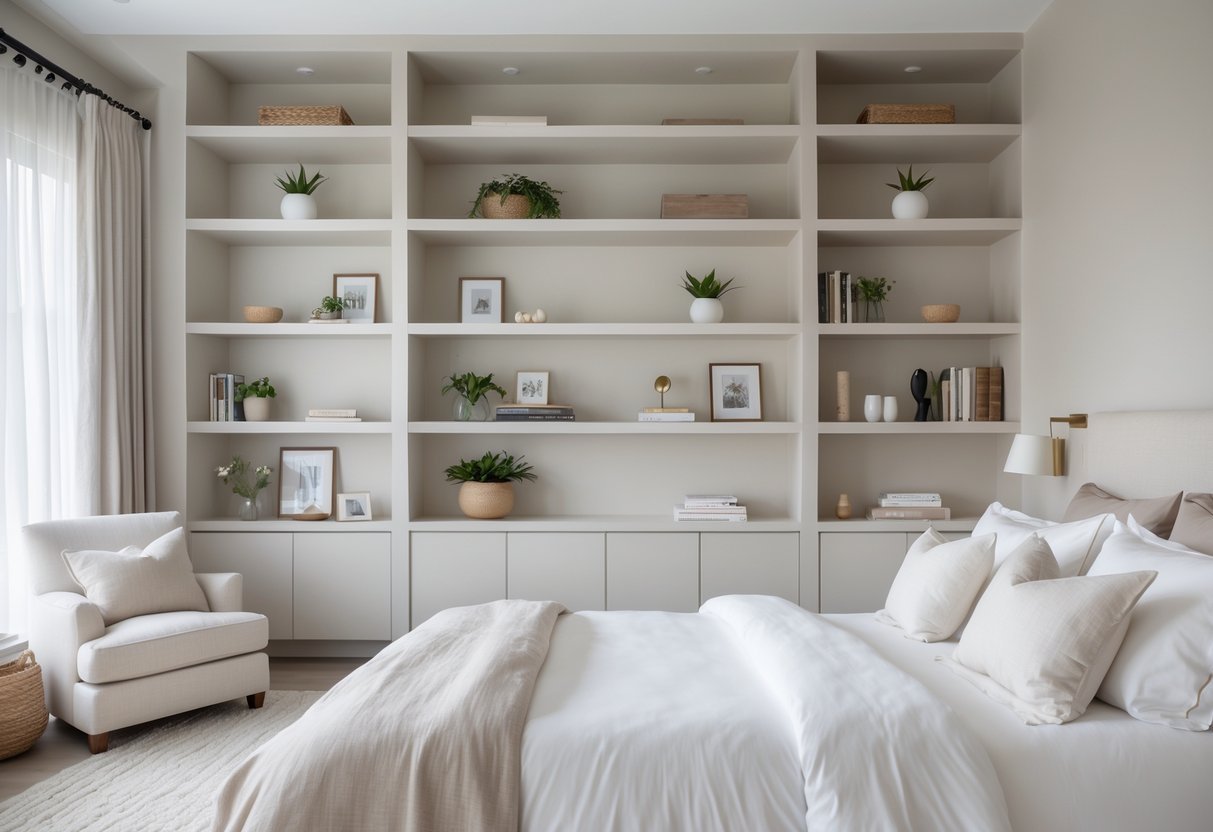
Built-in shelving gives your bedroom clean, efficient storage that fits the room. You can store books, baskets, and electronics while keeping surfaces tidy.
Place shelves around a fireplace, bed, or window to create a strong focal point. Vary shelf heights to hold tall items and small decor without wasted space.
Choose finishes that match trim or paint for a cohesive look. Built-ins can make the room feel more organized and intentionally designed.
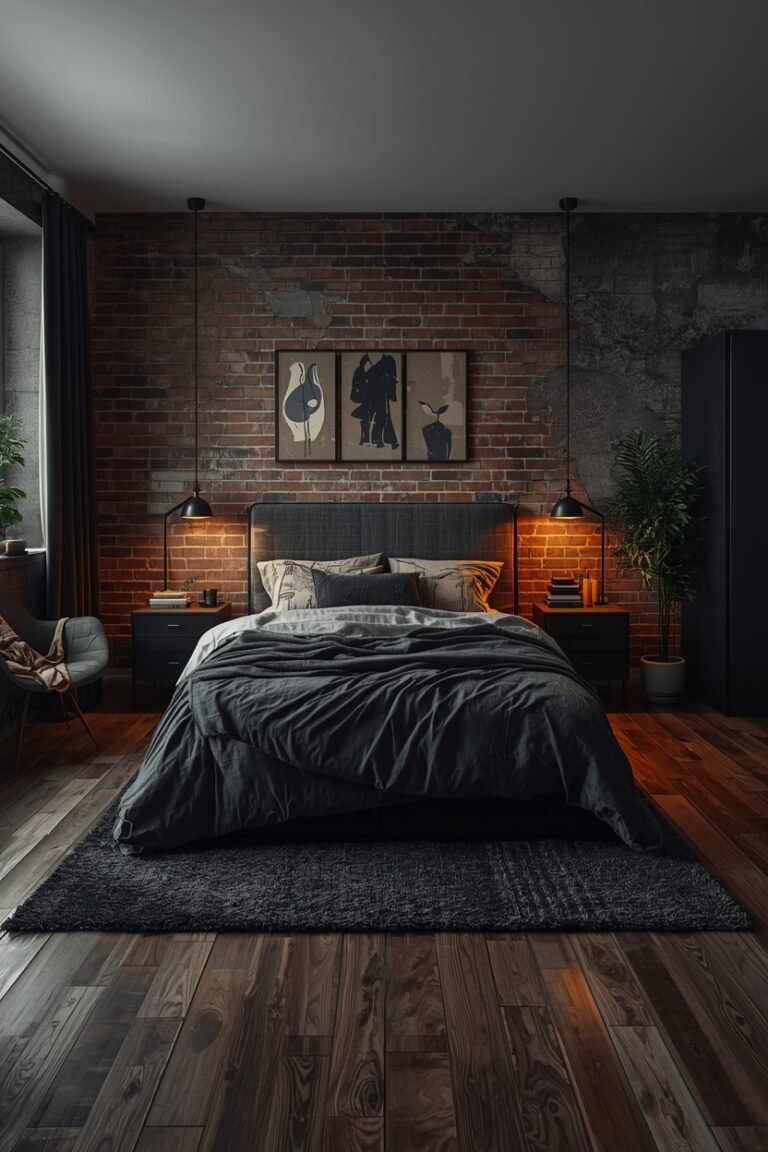
6) Mix vintage and modern furniture pieces
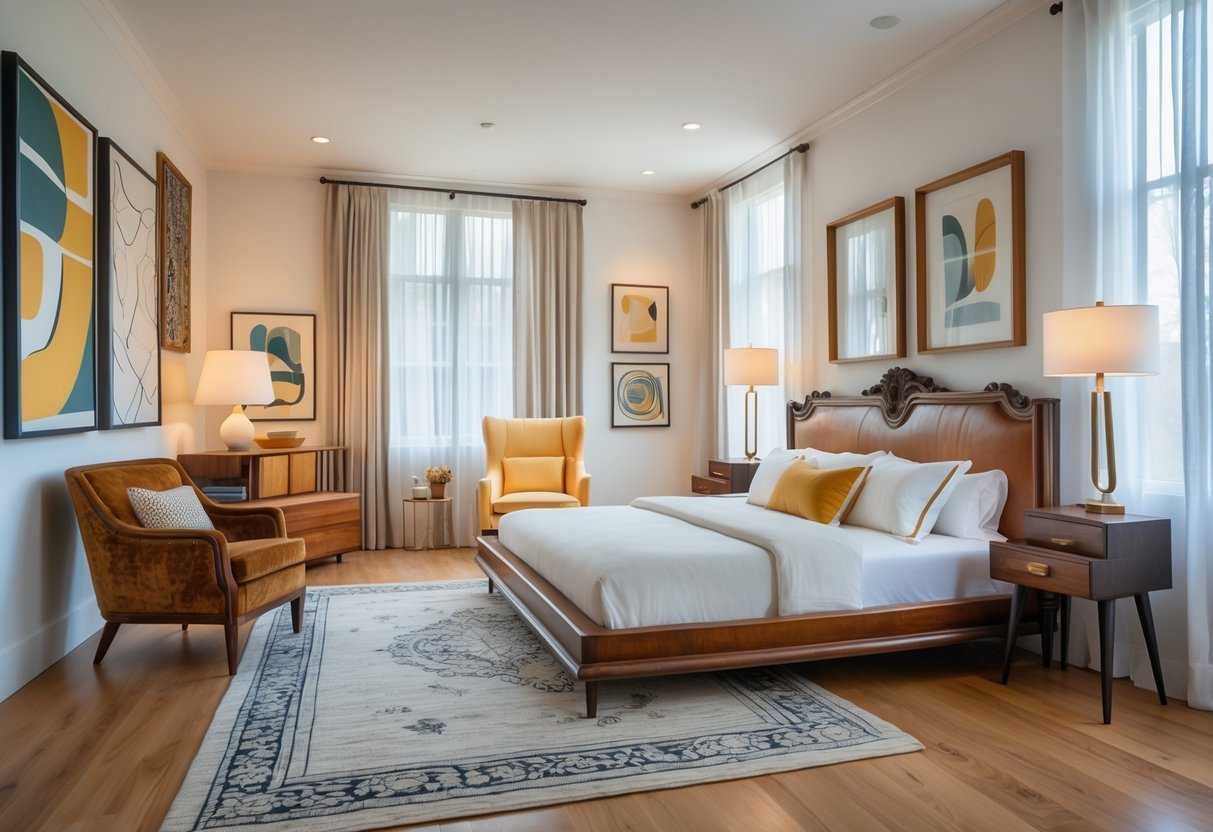
You can pair a bold vintage dresser with a simple modern bed to create balance.
Keep colors neutral so the pieces feel like they belong together.
Choose one vintage focal piece and surround it with cleaner, newer items.
This prevents the room from feeling cluttered or dated.
Use matching metals or textiles to link styles.
Small repeats—like brass knobs or a patterned throw—tie the look together.
7) Incorporate plants for air quality and aesthetic
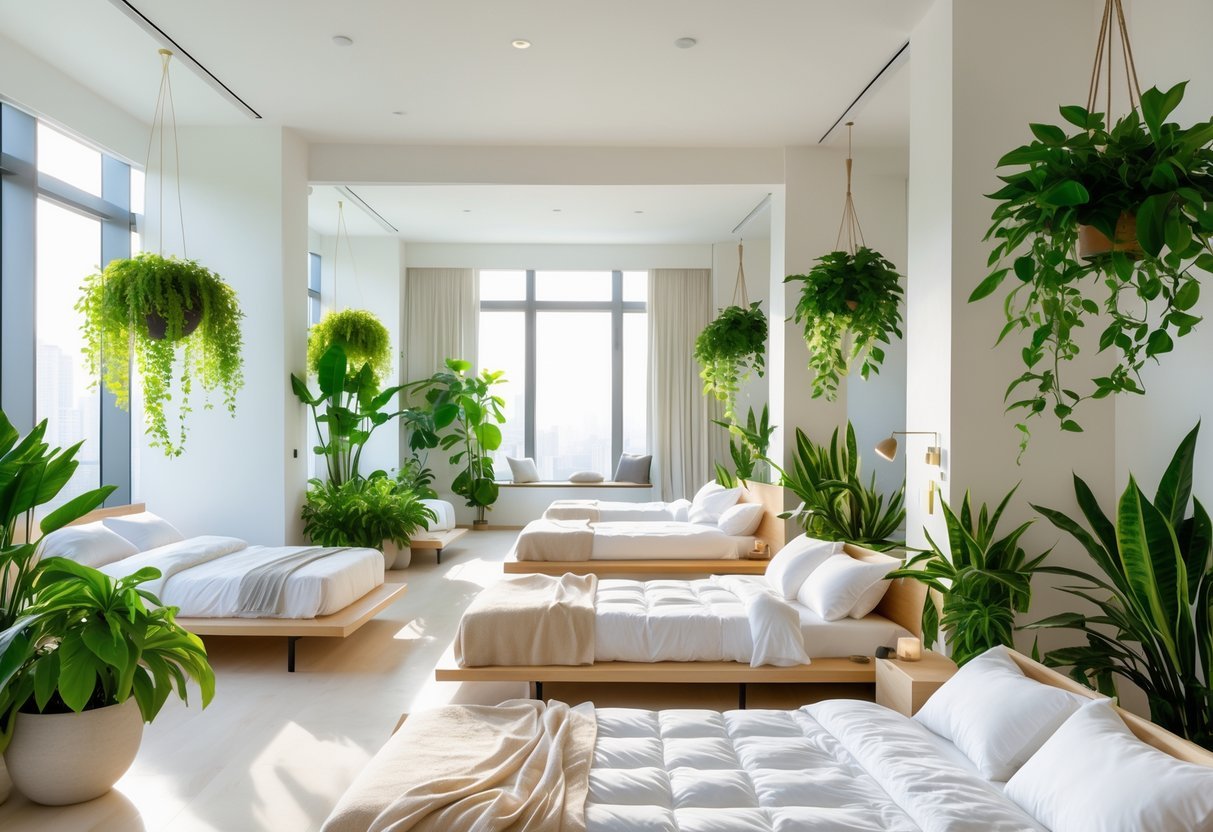
Choose low-maintenance plants like pothos, snake plant, or ZZ plant to improve air quality without extra work. They tolerate low light and need infrequent watering.
Place greenery near windows or on shelves to add color and texture. Hanging plants and trailing vines soften hard lines and make the room feel calmer.
Rotate and dust leaves so plants stay healthy. Healthy plants look better and keep your air cleaner over time.
Design Principles for 7 Bedroom Spaces
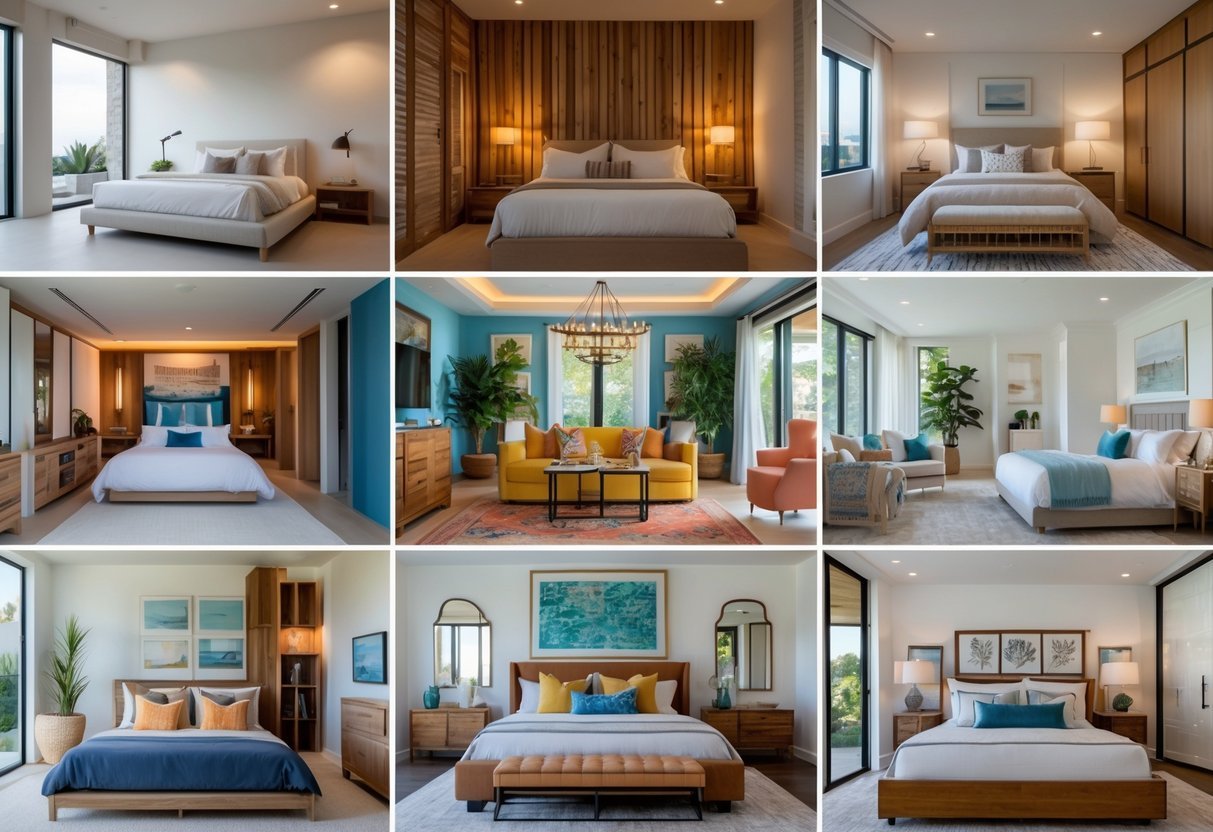
Focus on clear circulation, private zones, and a consistent visual style. Plan bedroom placement, traffic routes, and shared spaces so each room feels functional and calm.
Maximizing Flow and Privacy
Place bedrooms in clusters based on use. Put primary and guest suites apart from kids’ or teen rooms to reduce noise and keep privacy. Use short hallways and pocket doors to save space and cut travel distance between bedrooms and bathrooms.
Think about separate entry points for in-law or rental suites. Add a small vestibule or soundproofing between a suite and the main living area. Stack bathrooms or place them back-to-back to simplify plumbing and keep private areas compact.
Use buffering zones—linen closets, laundry rooms, or a study—to separate noisy spaces from quiet ones. Keep circulation routes simple: limit T-junctions and long corridors. Aim for clear sightlines to stairs and main exits so movement feels natural.
Selecting Cohesive Color Palettes
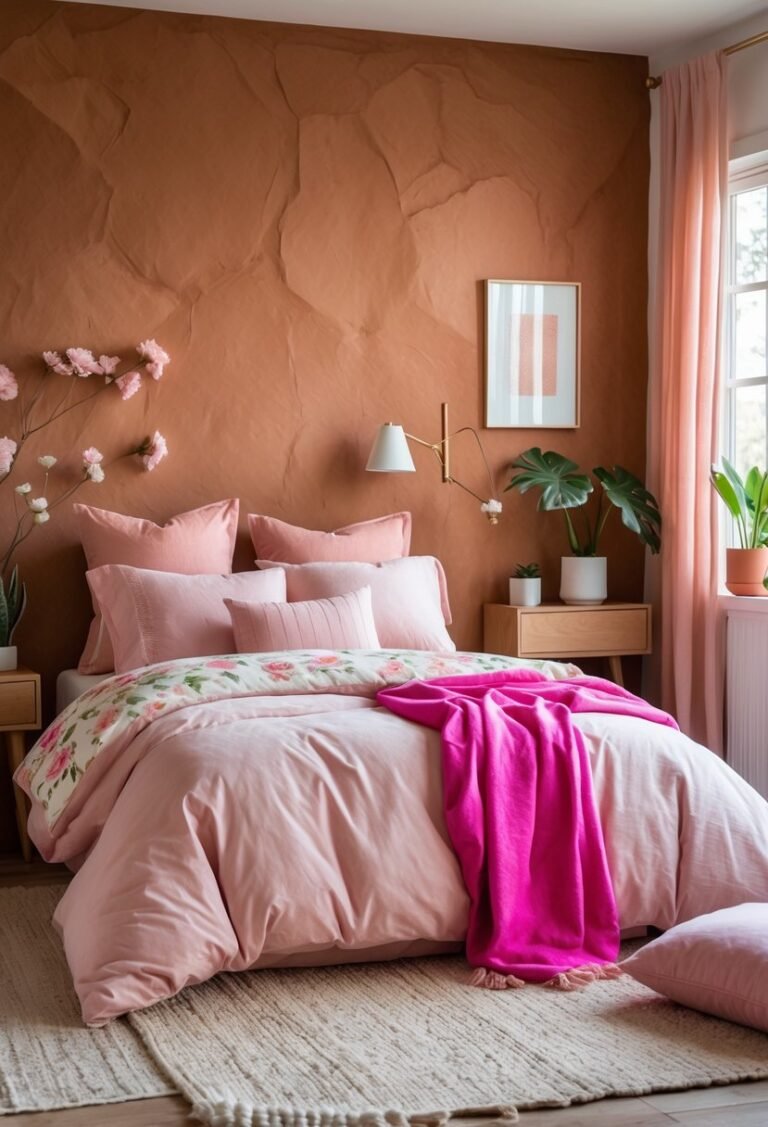
Choose a base palette for the whole house, then vary accents by bedroom. Use two to three neutral base colors—white, warm gray, or soft beige—to tie rooms together visually. Add one accent color per bedroom to reflect function or occupant personality.
Match trim and door finishes across bedrooms to create continuity. For example, keep wood tones consistent and vary paint or textiles for contrast. Use cool colors in bedrooms meant for rest and warmer tones in rooms used for study or play.
Test colors in different light at morning and evening. Paint a 2×2 foot sample on the wall to judge how the shade changes. Consider durable, low-VOC paints and washable finishes in high-traffic rooms.
Common Challenges and Creative Solutions
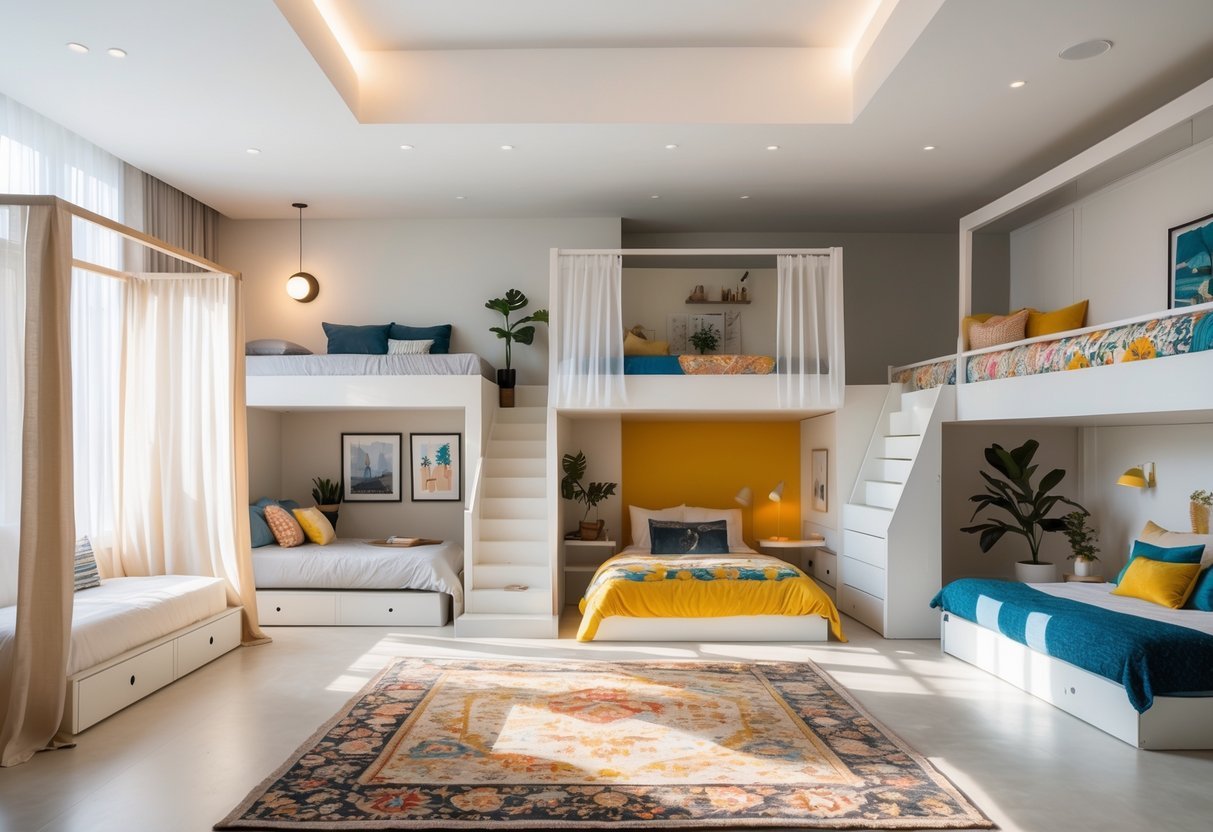
You’ll deal mostly with limited storage and noise when a house has seven bedrooms. Tackle these with smart fittings, zoned layouts, and sound treatments that fit your budget.
Storage in Multi-Bedroom Homes
Maximize underused spaces like under stairs, attic eaves, and the gap under bunk or loft beds. Install pull-out drawers or shallow shelves in these spots to store linens, seasonal clothing, and kids’ toys. Use uniform clear bins and label them so you can find items fast.
Create built-in storage in shared areas: a hallway closet with adjustable shelves, a mudroom bench with cubbies, and a pantry with pull-out organizers. In bedrooms, choose beds with drawers or headboards that hide charging stations and small shelves. For guest rooms, keep a suitcase rack and a small wardrobe or hanging rail to avoid clutter.
Use a system for overflow: donate or rotate items each season. Keep a digital inventory of rarely used items to avoid buying duplicates.
Soundproofing Strategies
Start by identifying sound sources: foot traffic, HVAC, shared walls, or a noisy street. Address the weakest link first to get the biggest improvement. Add dense materials like mass-loaded vinyl or extra drywall layers to shared walls to reduce airborne noise.
Use soft surfaces to cut echo: thick curtains, rugs, upholstered headboards, and bookcases against walls. Seal gaps around doors and windows with weatherstripping and door sweeps to stop sound leaks. For mechanical noise, fit rubber pads under appliances and add acoustic panels near noisy HVAC vents.
Consider zoning: place quieter rooms (guest or home office) away from family areas and use a hallway or closet as a buffer. For a budget option, build a temporary frame with insulation and fabric-covered panels to test improvements before a permanent install.
Frequently Asked Questions
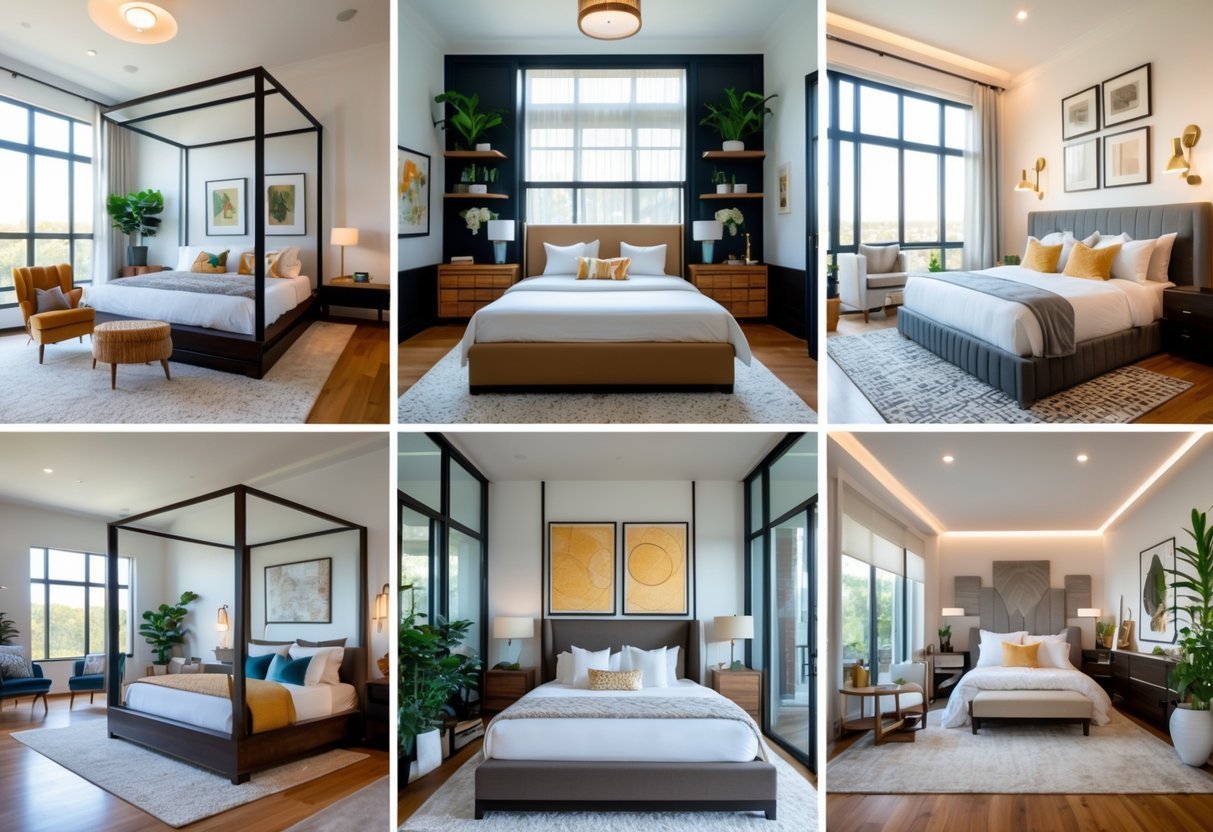
This section covers practical design choices, space-saving layouts, low-cost decorating tips, reliable inspiration sources, planning must-haves, and ways to keep rooms both stylish and useful. Expect specific ideas like layered lighting with dimmers, natural textures, statement headboards, calming palettes, and built-in shelving.
What are the latest trends in seven-bedroom home design for 2026?
You’ll see more layered lighting with dimmers to control mood in different rooms and zones. Designers pair warm task lights in work areas with soft ambient fixtures in bedrooms and living spaces.
Natural textures like wicker and linen appear across bedrooms and common areas to add warmth and reduce visual clutter. Muted blues and greens remain popular for walls and textiles to create calm, restful rooms.
Statement headboards act as focal points in primary and guest bedrooms. Built-in shelving combines display and storage while keeping rooms tidy and organized.
How can one effectively utilize space in small seven-bedroom homes?
Use built-in shelving and tall storage to free floor space and keep rooms functional. Place shelving near beds for books and personal items instead of bulky dressers.
Convert one or two bedrooms into multiuse rooms, such as a guest room that doubles as an office. Murphy beds, loft beds, or fold-down desks help keep the room flexible.
Group private bedrooms on one floor and shared living spaces on another to reduce hallway waste. That layout lowers traffic and gives each room more usable square footage.
What are some budget-friendly decorating ideas for seven-bedroom houses?
Paint is the fastest low-cost update; choose calming muted blues or greens for wide appeal. Swap or repaint headboards to create impact without replacing beds.
Buy woven baskets, linen throws, and small wicker pieces to introduce natural textures cheaply. Use plug-in dimmer lamps and layered lighting kits rather than rewiring to get mood control affordably.
Focus purchases on shared areas and the primary bedroom first, then spread smaller updates to other rooms over time. That approach gives the biggest visual payoff for your dollar.
Where can I find inspiration for decorating a seven-bedroom house?
Browse house plan sites and bedroom idea galleries to study layouts and color schemes. Look for images that show layered lighting, built-ins, and calming palettes in similar room sizes.
Visit local model homes and furniture showrooms to see materials and textures in person. You’ll get a better sense of scale and how natural textures like wicker and linen will read in your rooms.
Follow interior designers and renovation accounts on social media for step-by-step projects you can adapt. Pin or save examples of statement headboards and shelving ideas to build a cohesive plan.
What are the essential considerations when creating a house plan with seven bedrooms?
Think about traffic flow and place bedrooms near bathrooms or add ensuite options for privacy. Grouping bedrooms by function — kids, guests, offices — helps plan plumbing and HVAC zones.
Allocate space for built-in shelving, closets, and shared storage to avoid clutter. Factor in layered lighting at the design stage so wiring and switches sit where you want them.
Plan flexible rooms that can change use over time, and confirm local building codes for bedroom size and egress requirements. These rules affect window placement, stair access, and safety features.
How to balance modern aesthetics with functionality in a seven-bedroom house?
Start with calming color palettes and clean lines for a modern base that still feels warm. Add natural textures like wicker and linen to keep the look inviting and reduce sterility.
Prioritize built-ins and multiuse furniture to keep rooms tidy and useful. Use layered lighting with dimmers so each space can shift between task, ambient, and night modes.
Choose statement pieces, such as a headboard or a shelving unit, instead of many small accents to maintain a modern, uncluttered feel. This keeps the house stylish without sacrificing daily use.