Dining Room Table: 7 Essential Styles and Space-Saving Tips
You use your dining room table for more than meals; it shapes how you gather, work, and celebrate at home. This article helps you choose a table that fits your space, style, and everyday needs so you can make smarter decisions without stress.
You will explore popular models, practical buying tips, and simple styling and care advice to keep your table looking great. Follow along to compare shapes, sizes, and features that match how you live.
1) 71″ Rustic Farmhouse Dining Table – Walmart
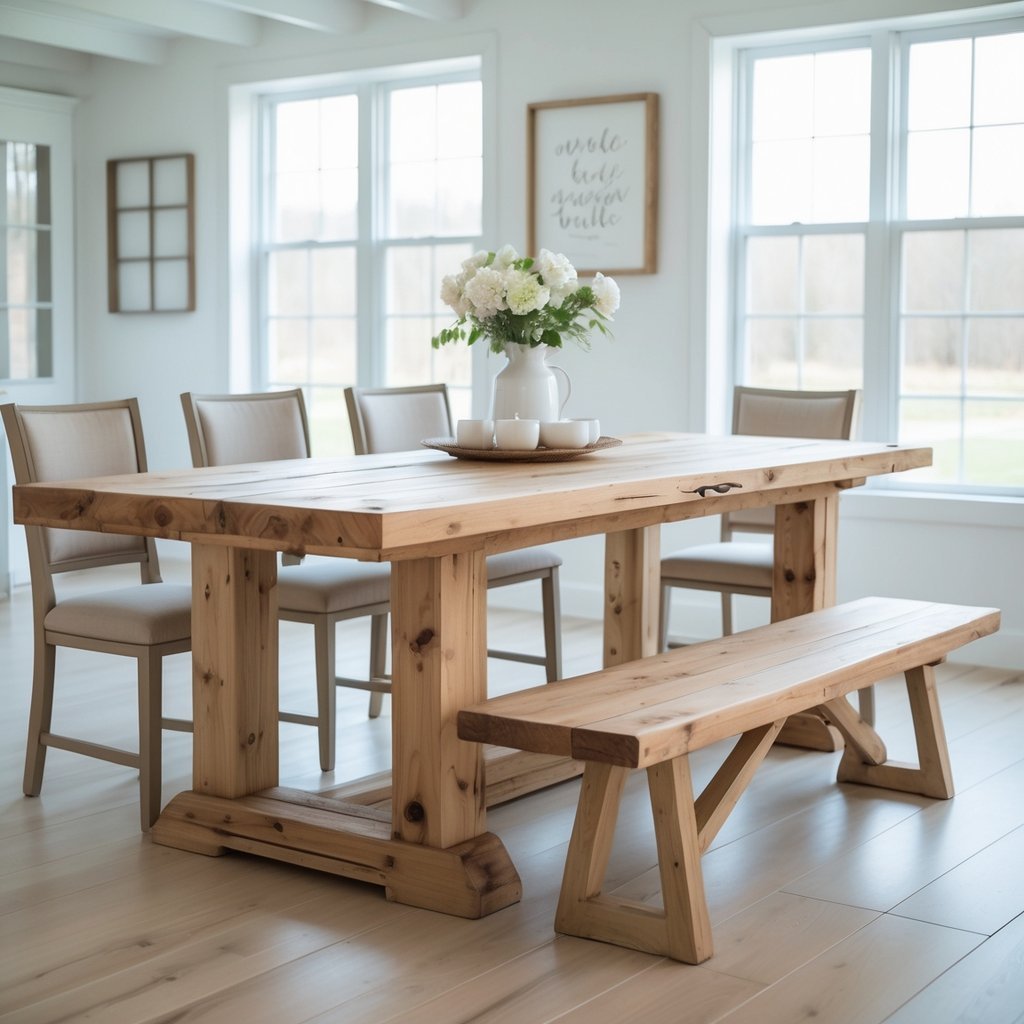
You get a large 71″ table that seats 6 to 8 people, good for family meals and gatherings. The rustic farmhouse look mixes a wood-style top with sturdy legs for a classic feel.
The table often uses solid wood panels and metal supports for stability and a higher load capacity. Think of it as a practical, durable choice if you need extra surface space without a flashy design.
2) IKEA Lisabo Rectangular Table
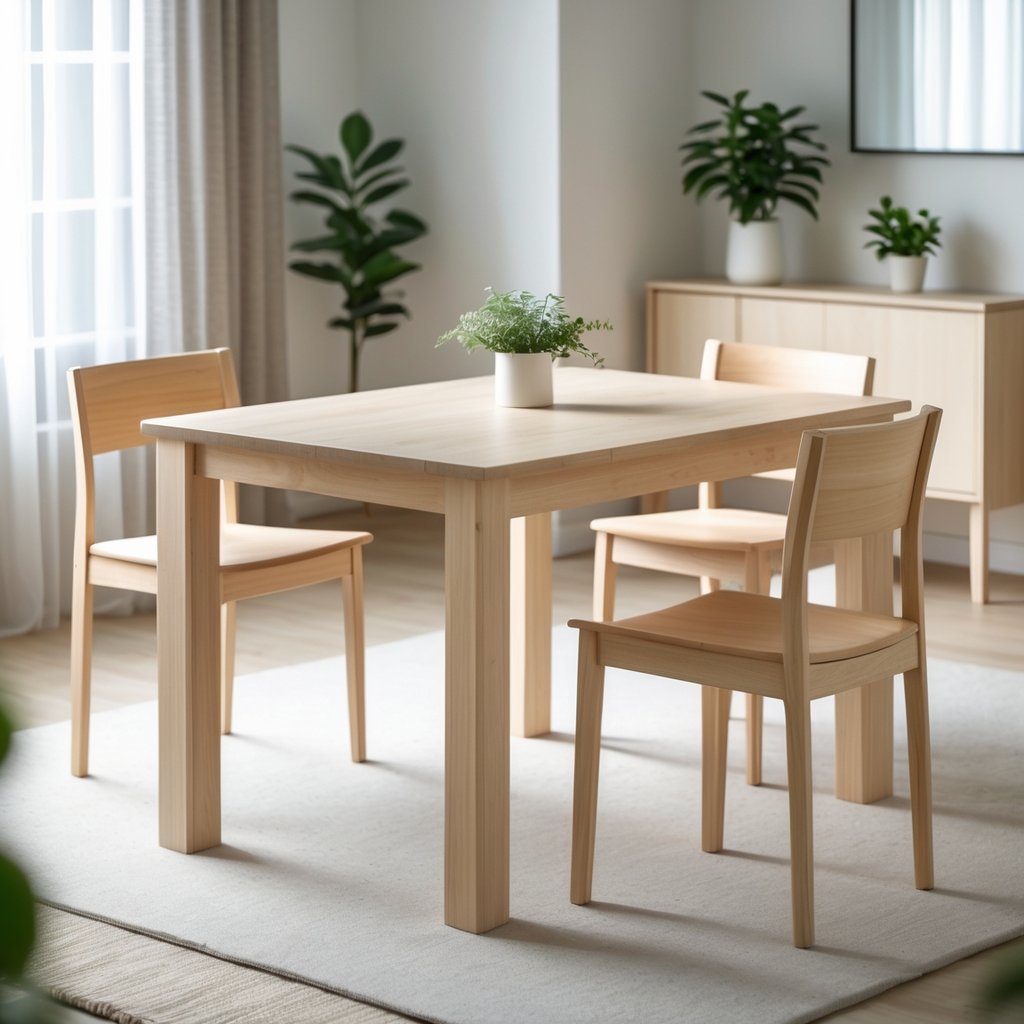
You get a simple, sturdy rectangular table with a light, engineered core and an ash veneer top. It uses less material but still holds up for daily use.
The solid birch legs add stability and a clean look. Natural wood grain means each table will have a unique pattern.
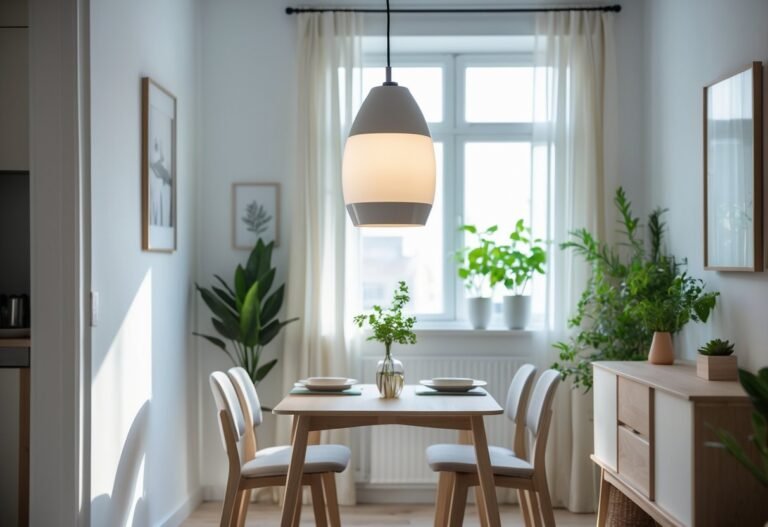
The size fits four to six people comfortably. It works well in small dining rooms or as a multiuse surface in your home.
3) Pottery Barn Walton Extendable Table
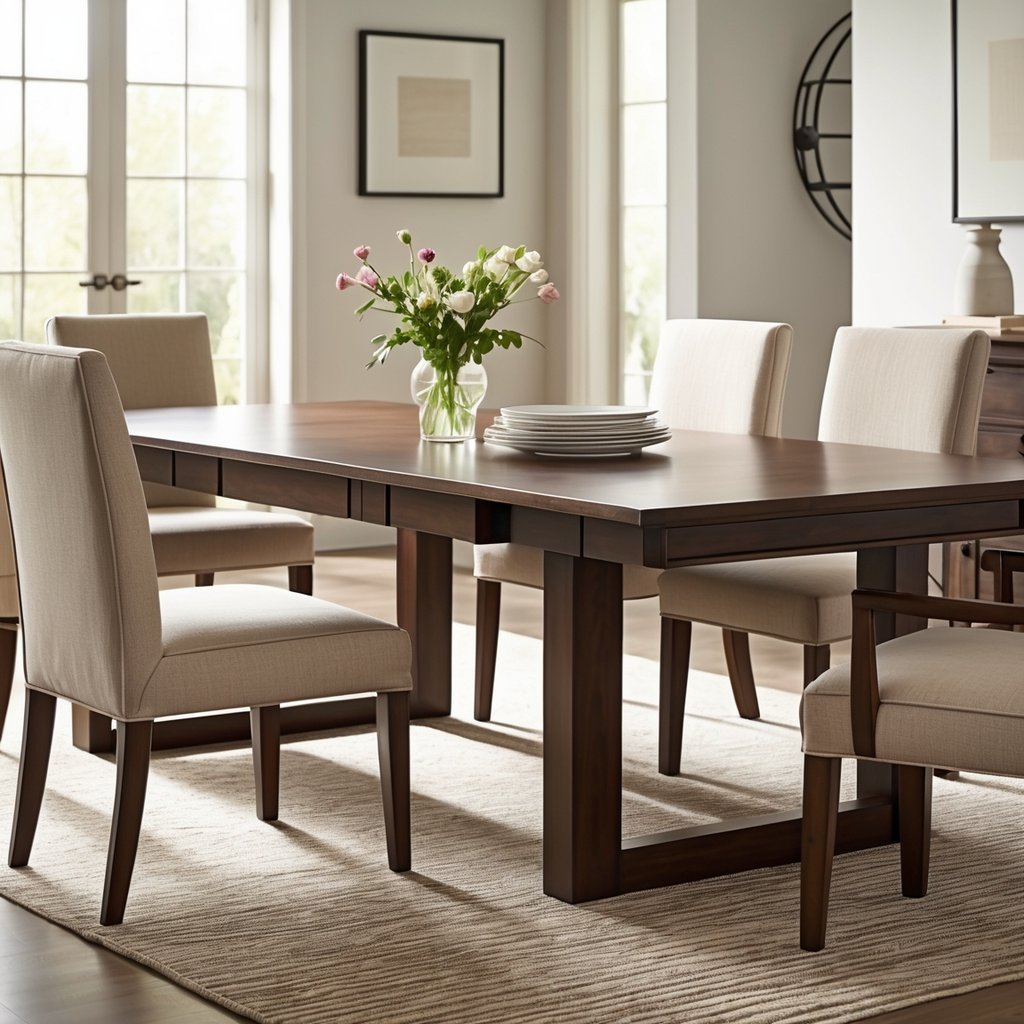
You get a solid, versatile table that expands to fit more guests. The Walton uses a drop-in leaf so the extension feels stable and smooth.
You can expect quality materials like kiln-dried hardwood and careful construction. The finish hides wear but still shows natural wood grain for a warm look.
You can seat more people when needed and save space when you don’t. Its classic design suits many dining rooms and decorating styles.
4) Ashley Furniture Darcy Round Table
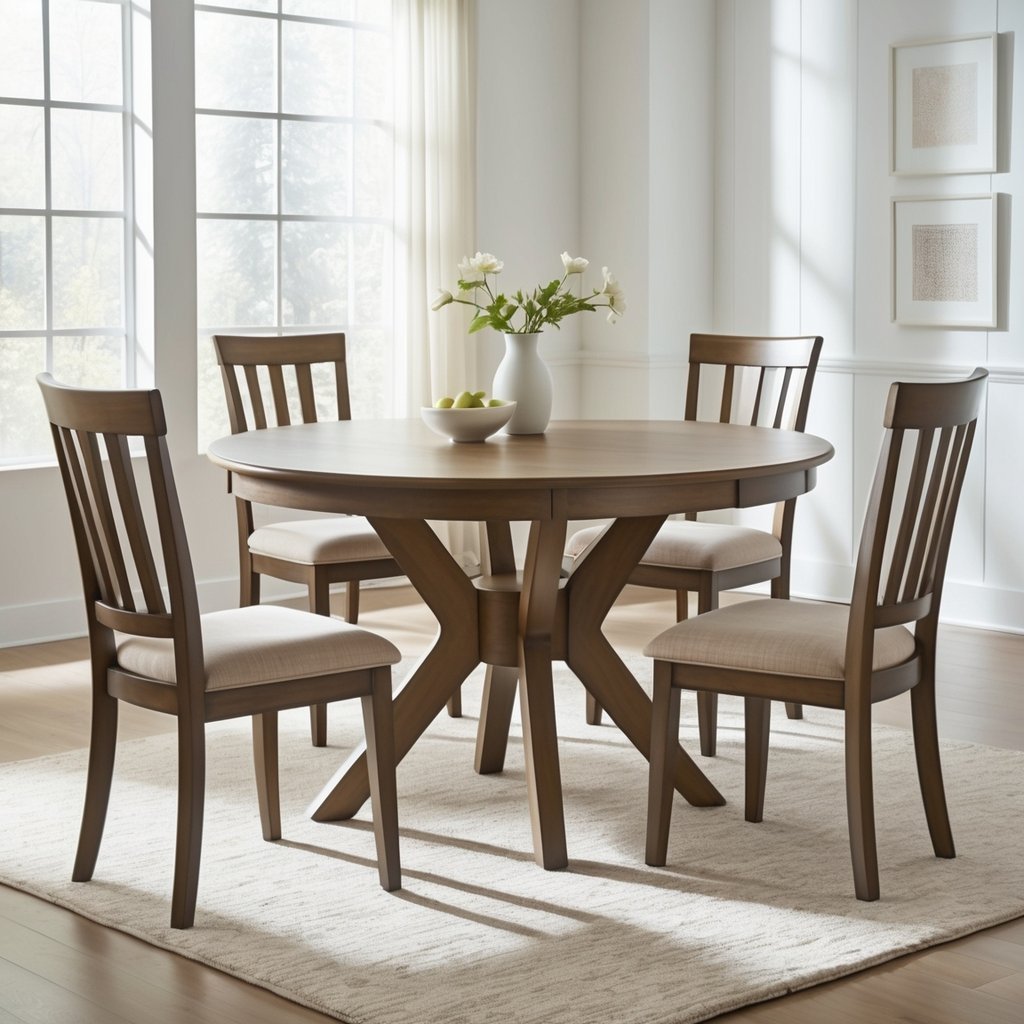
You’ll find the Darcy Round Table fits well in small to medium dining spaces with its 42″ diameter.
It seats four comfortably and pairs a natural oak-look top with painted legs for a casual, cottage feel.
The table uses durable veneers and solid-wood elements for everyday use.
You can match it with mixed chairs or the coordinating set for a coordinated look.
5) Wayfair Candler Farmhouse Table
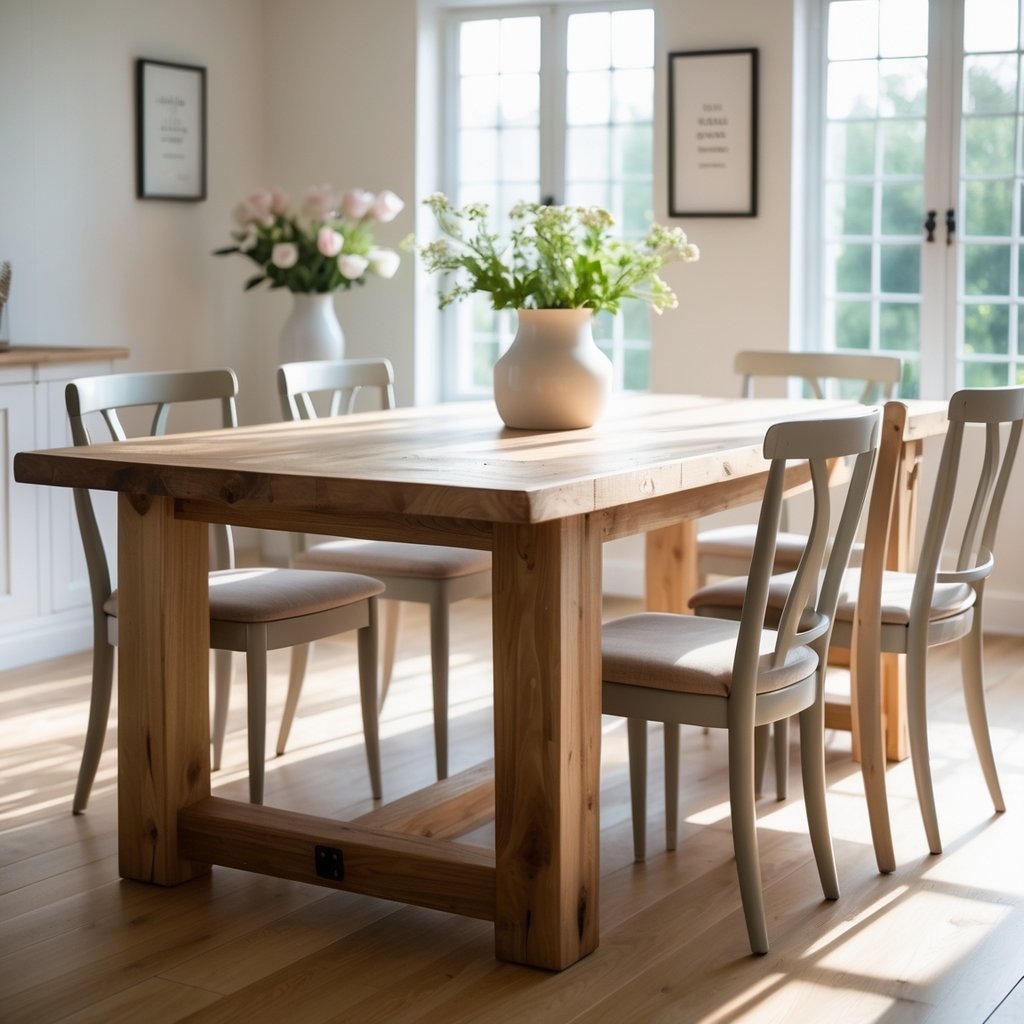
You’ll find the Candler Farmhouse table blends classic farmhouse looks with a sturdy build. It often features a trestle base and a solid wood top that seats 6 comfortably.
The finish resists light wear and suits casual or slightly dressier rooms. Check dimensions and delivery options on Wayfair to ensure it fits your space and needs.
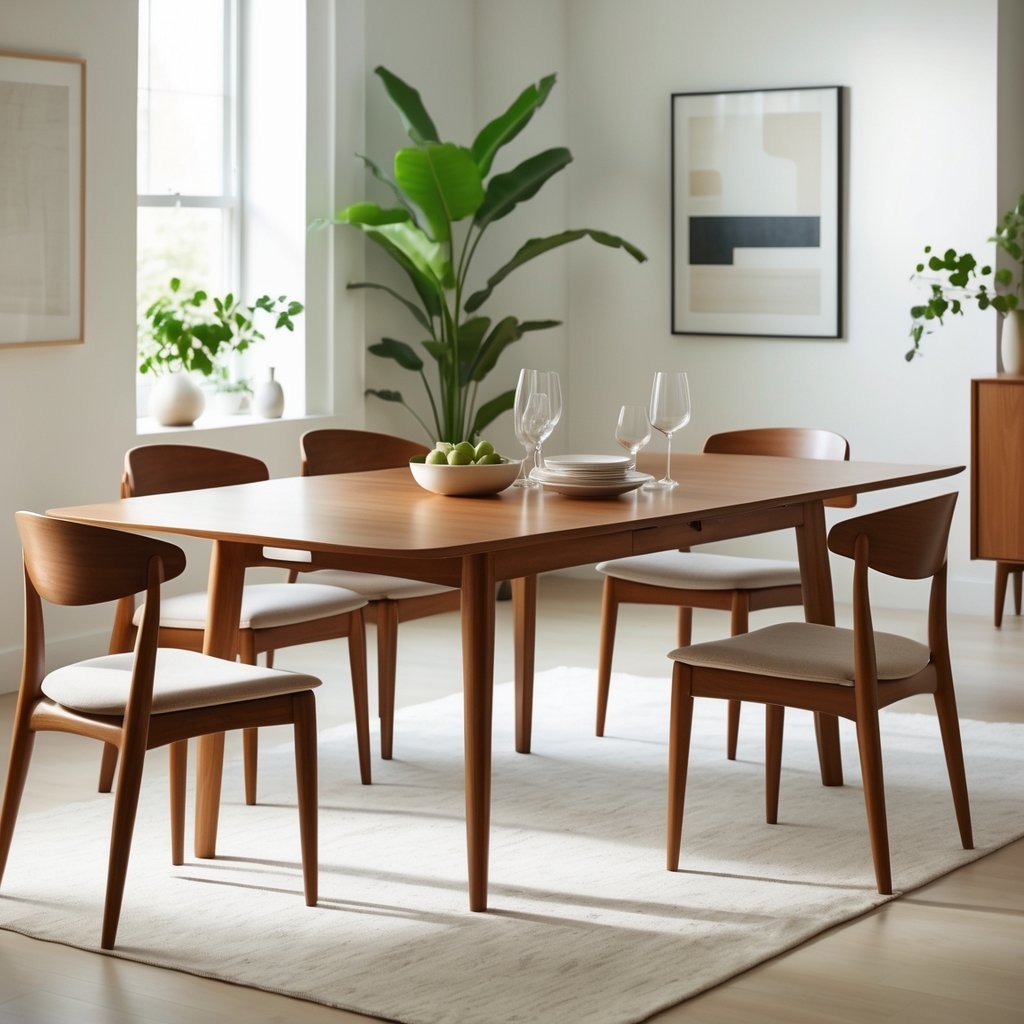
6) West Elm Mid-Century Expandable Table
You get a clean mid-century look with beveled edges and tapered legs that fits many decor styles.
The table expands with a drop-in leaf to add seats when you host guests.
It’s made from FSC-certified, sustainably sourced wood for durability and responsible sourcing.
You can choose sizes that suit small dinners or larger gatherings without swapping pieces.
7) Macy’s Signature Round Pedestal Table
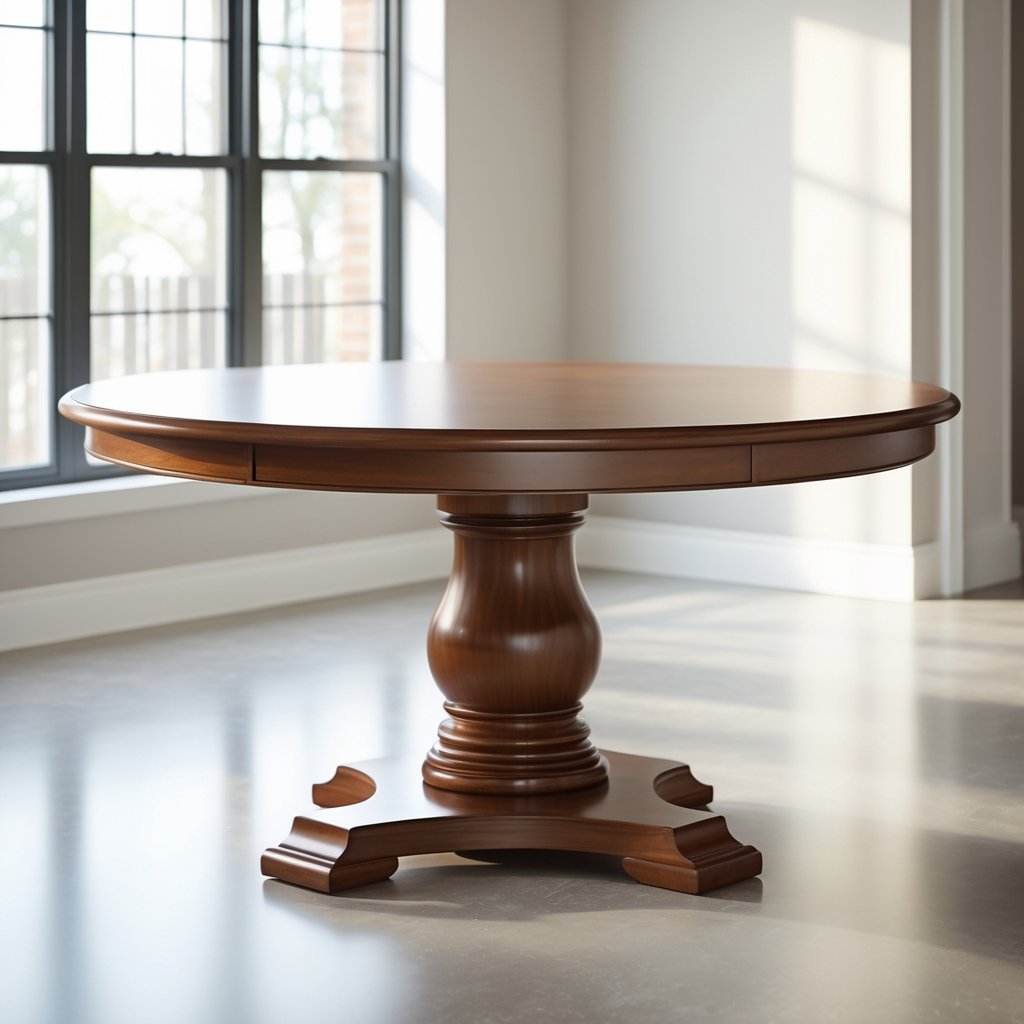
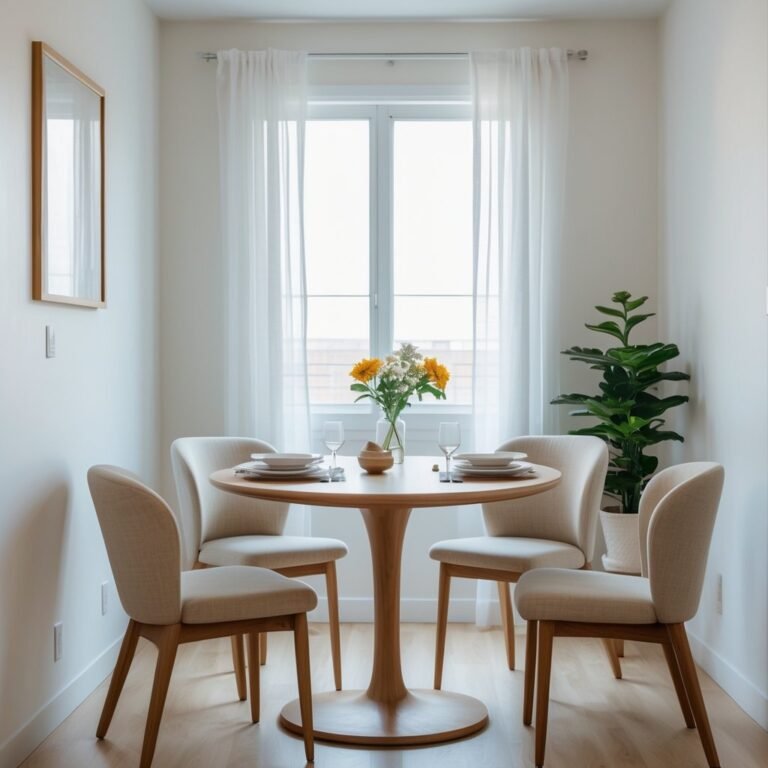
You get a classic round table that fits small to medium dining spaces. The pedestal base gives more legroom and a cleaner look.
Materials and finishes vary, so you can match your room’s style. Some versions expand with a leaf to seat more guests when needed.
The table balances durability with simple design. It works well for daily meals and casual gatherings.
Choosing the Right Dining Room Table
Pick a table that fits your daily habits, the room’s shape, and how many people you host. Think about table shape, what it’s made of, and exact measurements so chairs and traffic flow work well.
Understanding Table Shapes
Round and oval tables work best in tight spaces and let people talk easily. A round table with a 48-inch diameter seats 4–6 people comfortably; an oval table gives similar capacity but fits better in narrow rooms.
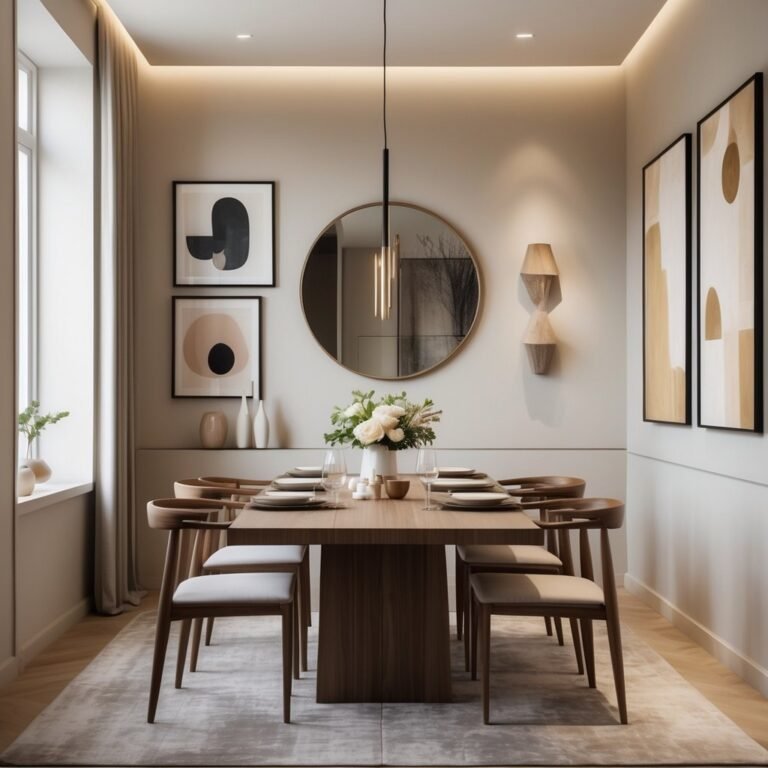
Rectangular and square tables suit long rooms and formal dining. Standard rectangular widths are 36–42 inches. Use a 72–96 inch long table for 6–8 people and extendable leaves when you host larger gatherings.
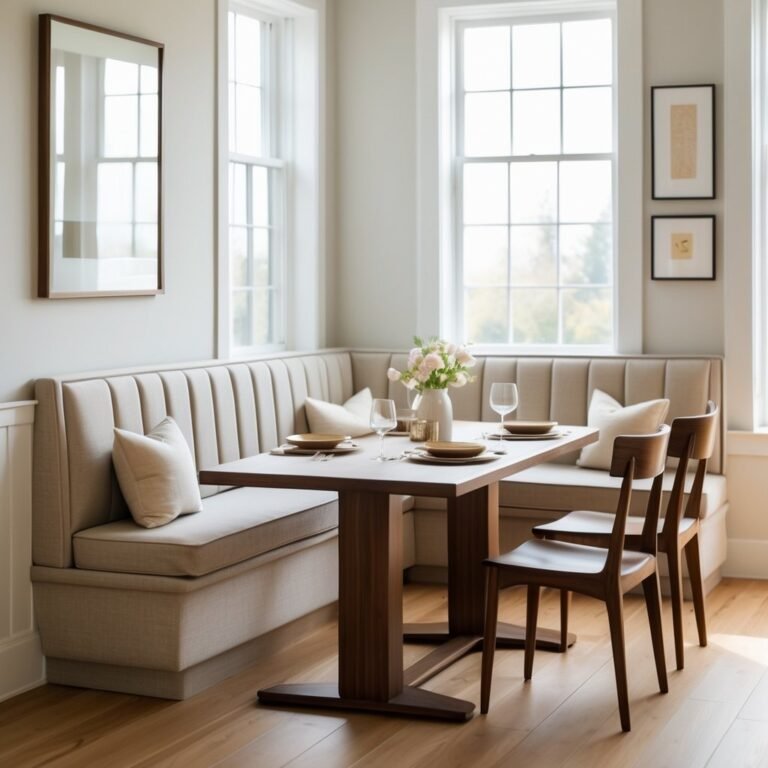
Pedestal, trestle, and four-leg bases affect legroom. Choose a pedestal or trestle if you want more knee space. Four legs work fine for smaller tables but can block seating at the corners.
Materials and Finishes
Solid wood offers durability and can be refinished. Hardwoods like oak, maple, and walnut resist dents and last decades. Look for a thick top and quality joinery.
Engineered wood and veneers look like solid wood but cost less. Choose plywood cores over particleboard for better strength. Watch for thin veneer that chips or peels.
Glass, metal, and stone give modern looks but need more care. Tempered glass resists breakage. Marble and concrete are heavy; ensure your floor and delivery route support the weight. For finishes, matte hides scratches better than high gloss.
Sizing for Your Space
Measure your room first. Leave at least 36 inches between the table edge and walls or furniture; 42–48 inches is better for formal dining rooms with serving carts.
Plan seating distance. Allow 24 inches of table width per person and 18–20 inches of tabletop depth per place setting. For chair clearance, reserve about 12 inches behind each chair so people can pull out seats.
Account for leaves and extensions. Measure the table at its maximum length and confirm you still have walkway space. Mark the table footprint on the floor with tape before buying to visualize fit.
Styling and Maintenance Tips
You’ll learn practical ways to style your dining table for daily use and how to protect the surface so it lasts. Focus on simple centerpieces, useful linens, and steady cleaning habits that fit your table material.
Decorating Your Table
Choose a centerpiece that fits your table size. For a small table, pick a single low vase or a shallow bowl so guests can see each other. For larger tables, use a runner and place two to three staggered items (candles, plants, or a tray) down the center.
Layer textiles for both protection and style. Use placemats for daily meals and a runner for visual interest. Match colors to your room’s palette, and keep patterns to one focal item to avoid clutter.
Add functional decor. Coasters, a small condiment caddy, or a decorative tray make the table look finished while staying usable. Rotate seasonal items—fresh flowers in spring, a woven basket in fall—to keep the look fresh.
Care and Cleaning Guidelines
Check the table’s material first: solid wood, veneer, glass, or stone each need different care. Use a soft cloth and mild soap for most finishes. Wipe spills immediately to prevent stains or water rings.
For wood, clean with a damp cloth and dry right away. Avoid harsh chemicals and silicone polishes that can build up. Use felt pads under serving bowls and placemats to stop scratches.
For glass or stone, use a nonabrasive cleaner and a microfiber cloth. Tighten loose screws on legs and hardware every few months. For deep scratches or finish damage, consult a professional rather than using DIY harsh fixes.
Frequently Asked Questions
This section answers practical points about size, shape, material care, and chair pairing. It also explains when an extendable table helps and what to check in sets like the 71″ Rustic Farmhouse, IKEA Lisabo, Pottery Barn Walton, Ashley Darcy, or Wayfair Candler.
What factors should be considered when choosing a dining room table set?
Measure your room first. Note door swings, walkways, and other furniture that share the space.
Decide how many people you seat most often and how often you host guests. A 71″ farmhouse table fits six to eight; a Lisabo-style compact table suits four.
Choose a material and finish that match your lifestyle. Solid wood resists wear but costs more; veneer or MDF is budget-friendly and can mimic wood grain.
Match style and scale. If you have a rustic room, the Candler or farmhouse table will look right. For modern rooms, the Lisabo or Walton’s cleaner lines may work better.
How do I determine the appropriate size for a dining room table in my space?
Leave at least 36 inches of clearance from the table edge to walls or furniture. This gives people room to pull chairs out and walk behind seated guests.
For seating, plan about 24 inches of table edge per person. A 71″ table usually seats six comfortably; smaller 36–44″ tables suit four.
Measure the room and mark the table footprint with tape. That helps you see fits and traffic flow before buying.
What are the advantages of round dining room tables compared to rectangular ones?
Round tables promote conversation because everyone faces each other. They work well in square rooms and smaller spaces.
They have no sharp corners, making them safer in homes with children. An Ashley Darcy round table fits tight layouts and can seat four without crowding.
Round tables can fit in odd or tight areas where a rectangular table would block flow. Choose one if you need flexible, intimate seating.
What maintenance is required to care for a wood dining room table?
Dust regularly with a soft, dry cloth. Wipe spills immediately to prevent stains and water rings.
Use a gentle cleaner made for wood when deeper cleaning is needed. Avoid harsh chemicals and abrasive pads that can strip finish.
Apply wax or oil as recommended by the manufacturer for solid wood. Follow care instructions for finishes on pieces like the Pottery Barn Walton to keep the surface even.
What are the benefits of selecting an extendable dining room table for a small space?
An extendable table saves space by working small most days and expanding for guests. The Pottery Barn Walton is an example of a table that folds out for extra seating.
You only pay for extra space when you need it. That keeps everyday movement easier and allows you to host dinners without buying a larger permanent table.
Extendable mechanisms vary; check that slides are smooth and the leaf stores easily. Test the operation in-store when possible.
How do I select chairs that complement my vintage dining room table?
Match the chair height to the table—seat height should be about 10–12 inches below the tabletop. This ensures comfortable legroom and a proper fit.
Mix styles carefully: pair vintage wood chairs with a restored farmhouse table for an authentic look. Keep finishes in a similar tone or use a simple contrast like upholstered seats.
Check weight and scale. Heavy chairs can overwhelm a delicate vintage table, and very light chairs may look out of place. Test comfort and fit before buying.