12 Kids Room Ideas to Maximize Space, Style, and Functionality
You want a kids’ room that feels fun, smart, and made to last. This article shows simple, practical ideas you can use to spark creativity, save space, and keep the room tidy as your child grows.
You’ll find adaptable solutions—from playful lighting and bold accent walls to smart storage and flexible furniture—that make the room look great and work harder for your family.
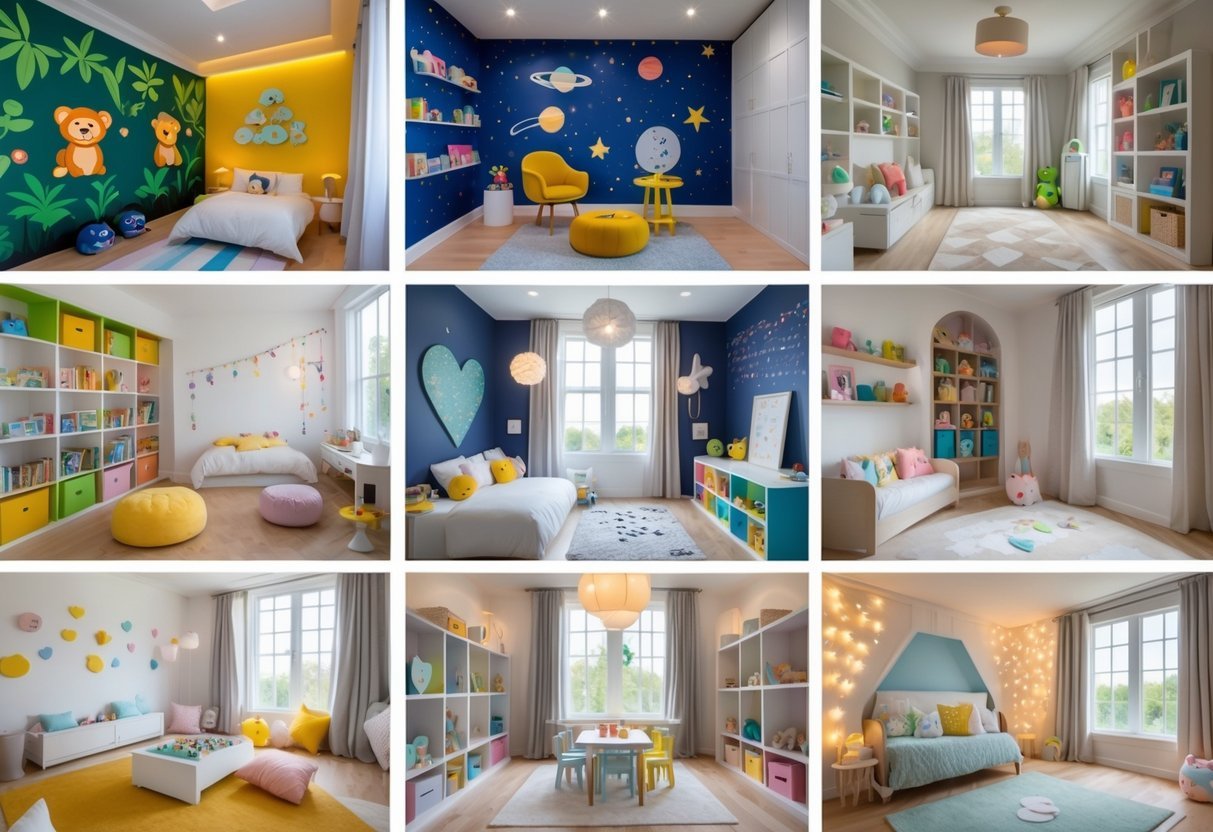
Flip through the ideas to pick ones that match your child’s tastes and your space. Each idea focuses on real benefits: better organization, more play space, and decor that can change as your child does.
1) Use wallpaper murals featuring animals or space themes
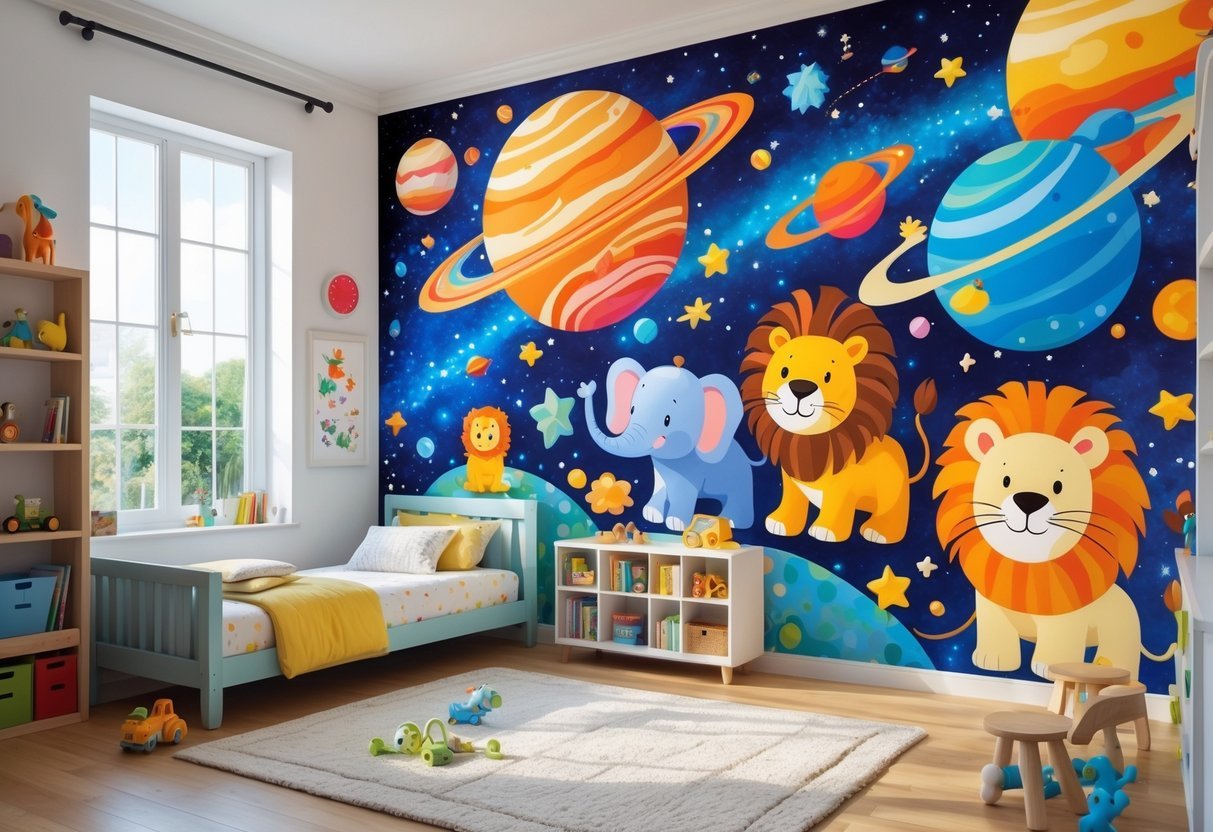
Choose a mural that matches your child’s interests, like animals for nature lovers or planets for space fans.
Murals add color and a clear theme without taking up floor space.
Pick removable, non-toxic wallpaper so you can change the room as your child grows.
Keep other decor simple to let the mural remain the room’s focal point.
2) Incorporate bunk beds with built-in storage drawers
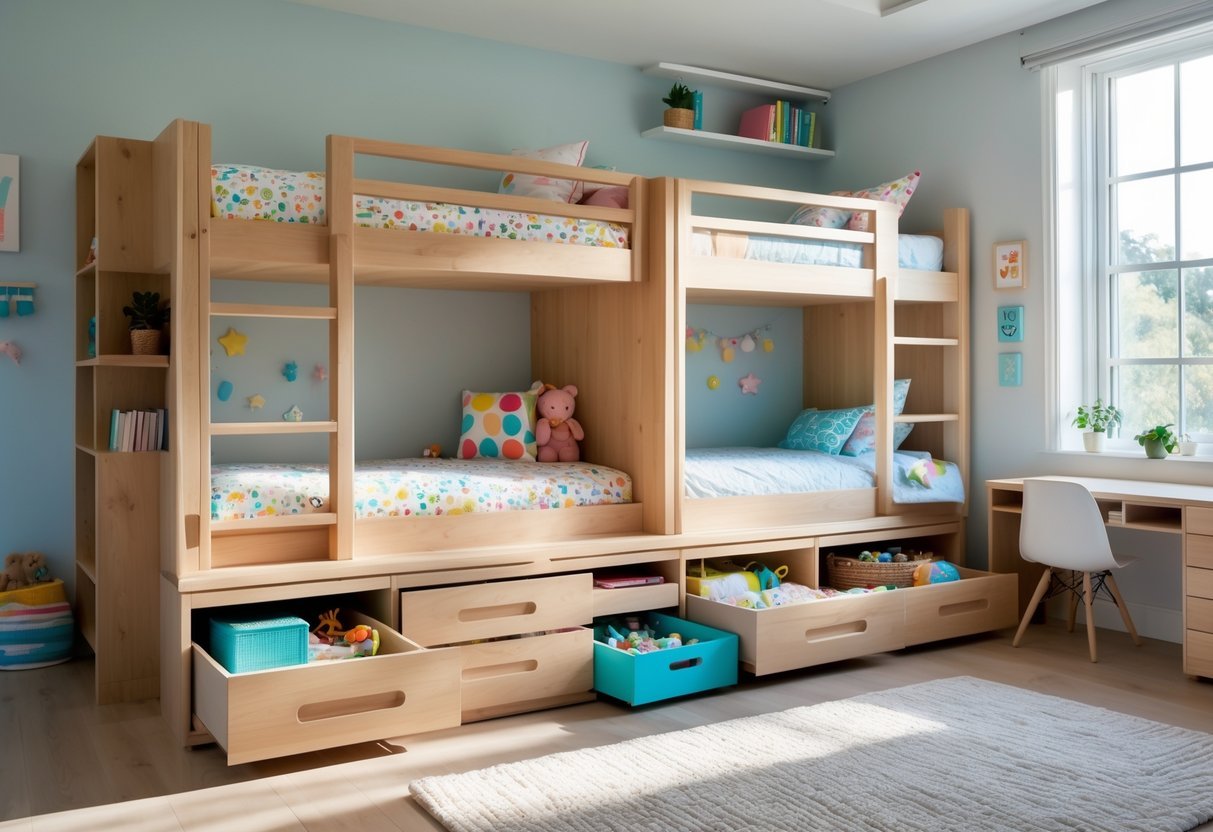
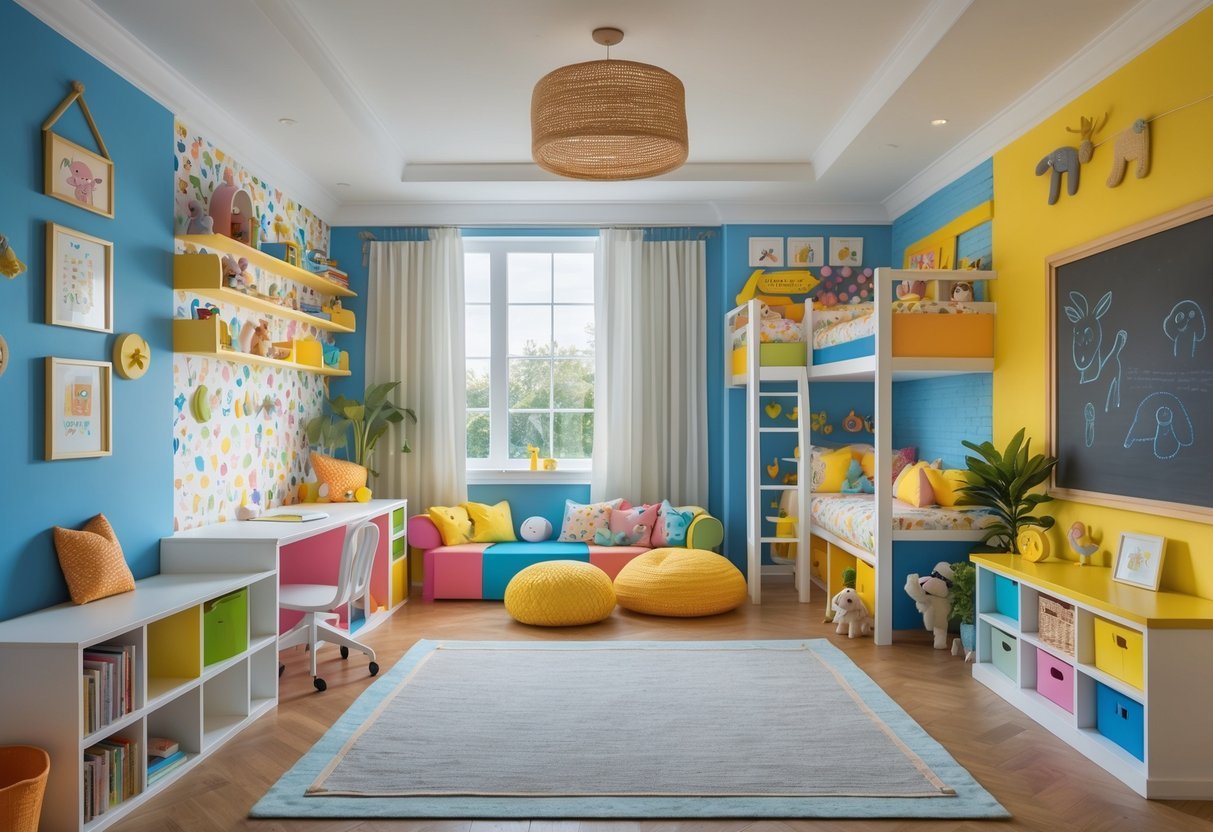
Choose bunk beds that include drawers under the lower bunk to save floor space and reduce clutter. You get easy access to clothes, toys, or bedding without adding extra furniture.
Built-in storage keeps the room tidy and makes cleaning faster. Pick durable materials and smooth drawer slides so kids can use them safely.
3) Create a reading nook with bean bag chairs and shelves
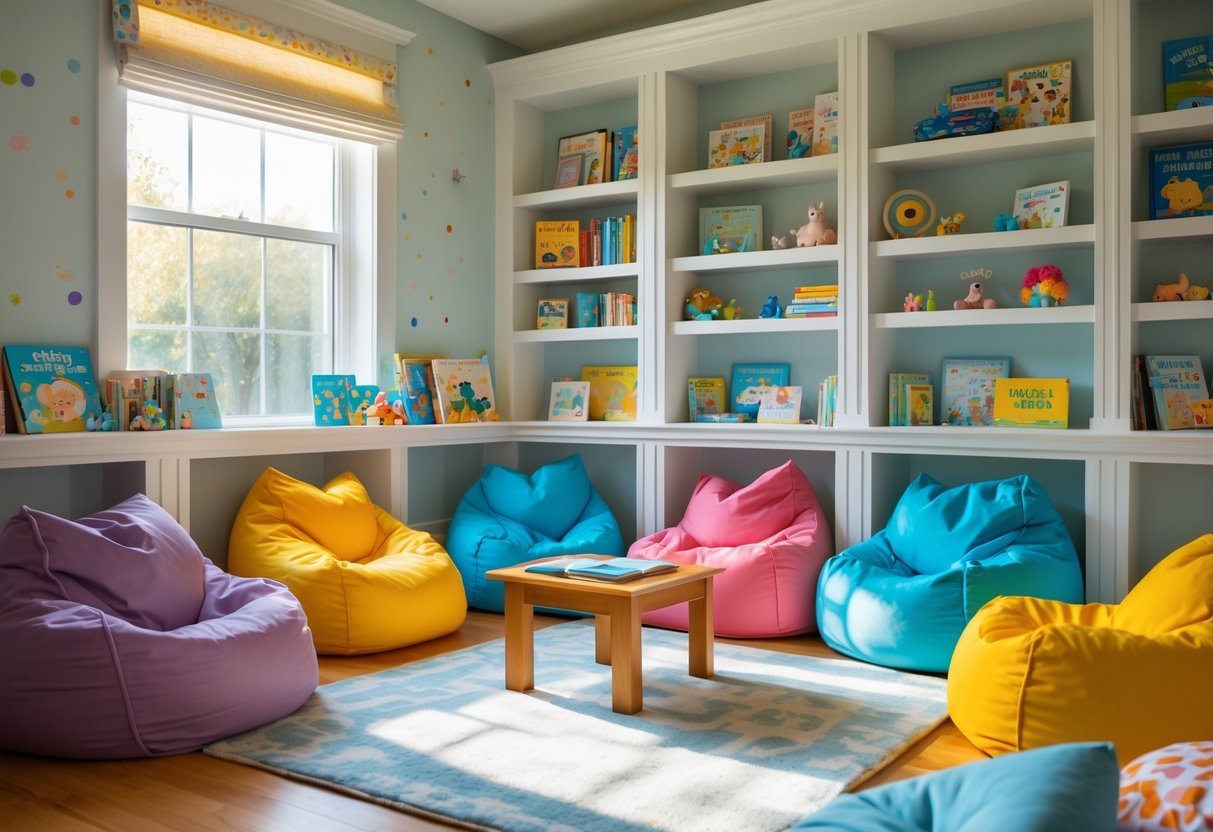
Give your child a small corner with soft bean bag chairs that fit their size and posture. You can move them easily for play or quiet time.
Add low shelves for easy book reach and rotate titles often to keep interest. Include a soft rug and a reading light for longer sessions.
Keep colors and patterns simple so the space feels calm. Let your child help choose books and cushions to make the nook truly theirs.
4) Add modular furniture that adapts as the child grows
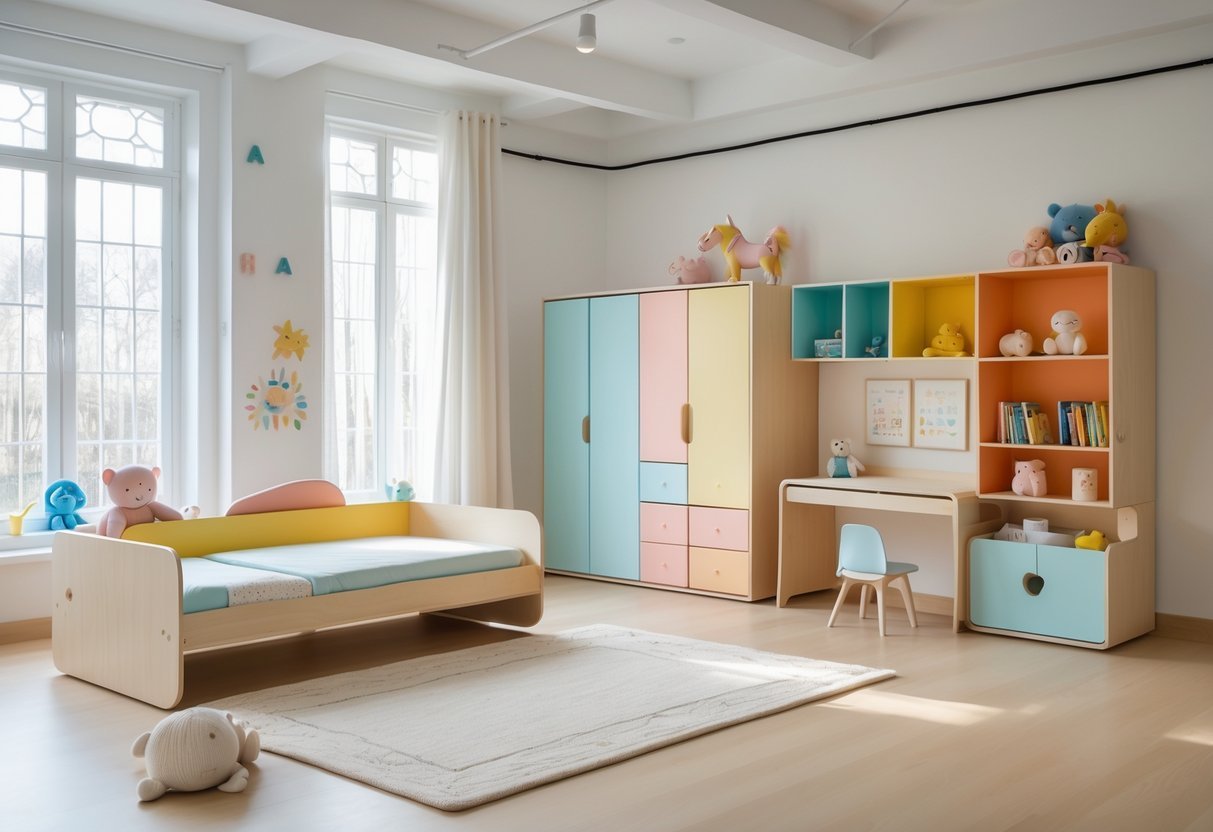
Choose pieces that change function, like a low sofa that becomes a bed or storage cubes that stack into a bench. This saves money and space over time.
Pick durable materials and simple colors so items fit new tastes and uses. Easy-to-move modules let you rearrange the room for play, study, or sleep.
Label bins and keep parts accessible so you can reconfigure as needs change. Modular furniture keeps the room useful from toddler years to adolescence.
5) Choose bold colors like teal or mustard for accent walls
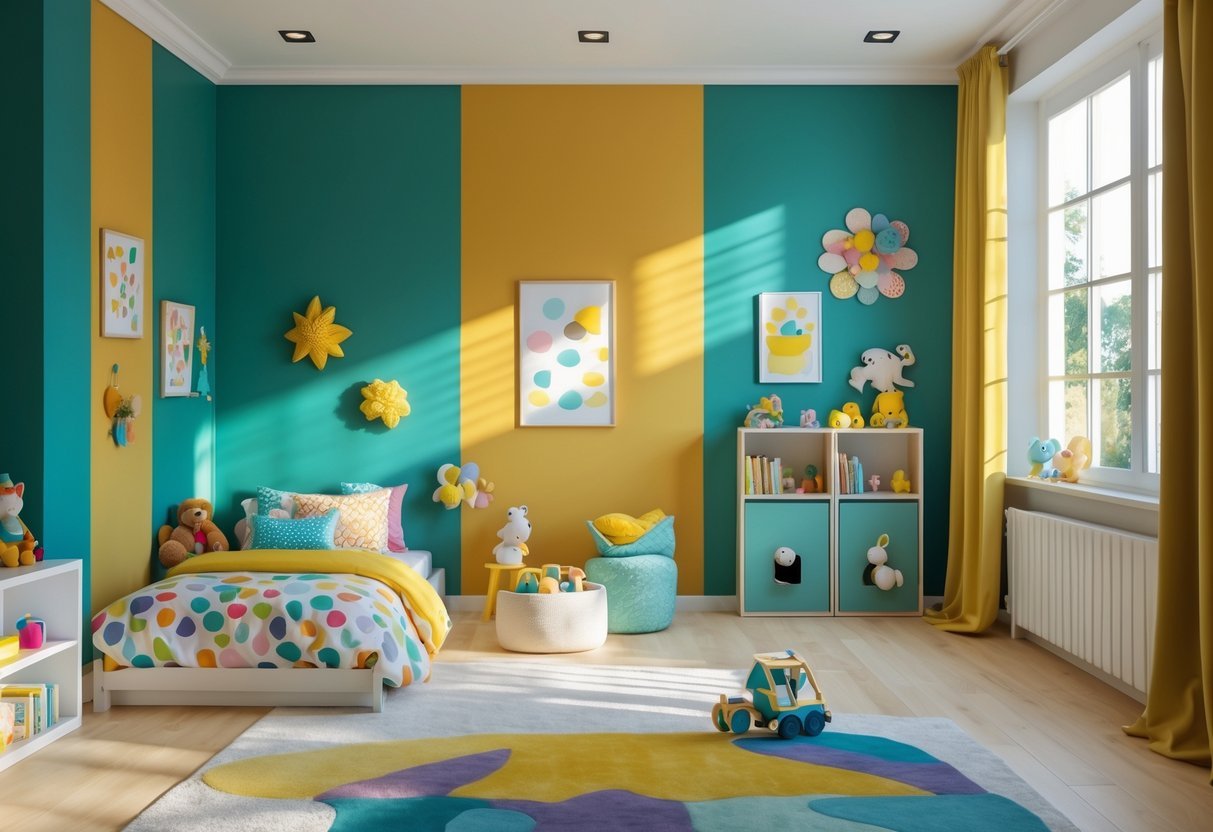
You can use teal or mustard to make one wall stand out without painting the whole room. These colors add energy and work well with neutral furniture and white trim.
Pick teal for a calming yet lively feel, or mustard for warmth and playfulness. Test a small patch first to check light and how it pairs with bedding and toys.
Keep the rest of the walls light to balance the room. Add a few matching accents to tie the look together.
6) Install wall-mounted pegboards for toy and art storage
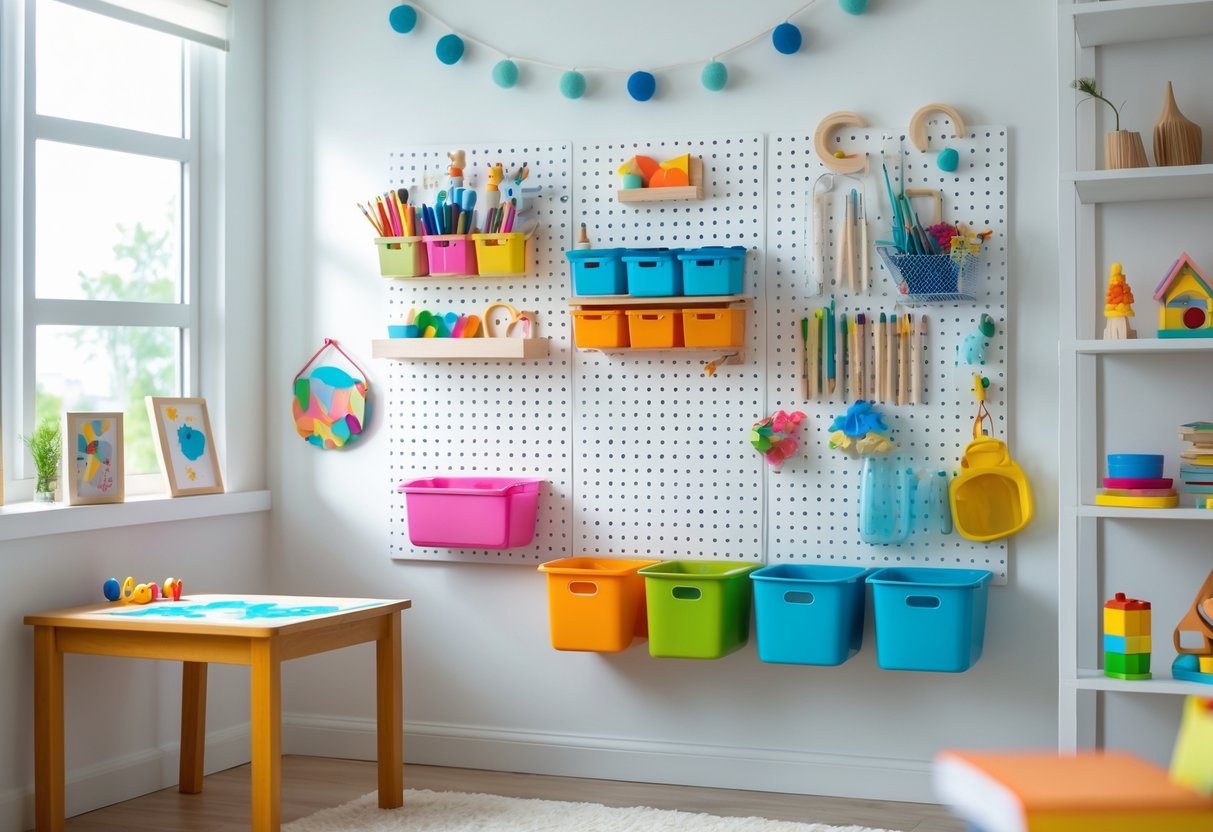
You can mount pegboards to keep toys, art supplies, and small bins off the floor. Pegboards let you move hooks and baskets as needs change, so storage grows with your child.
Choose metal or hardboard pegboard and leave a small gap behind it for larger hooks. Use labeled bins and color-coded hooks to make cleanup faster and clearer.
7) Use fairy lights or LED strips for soft, playful lighting
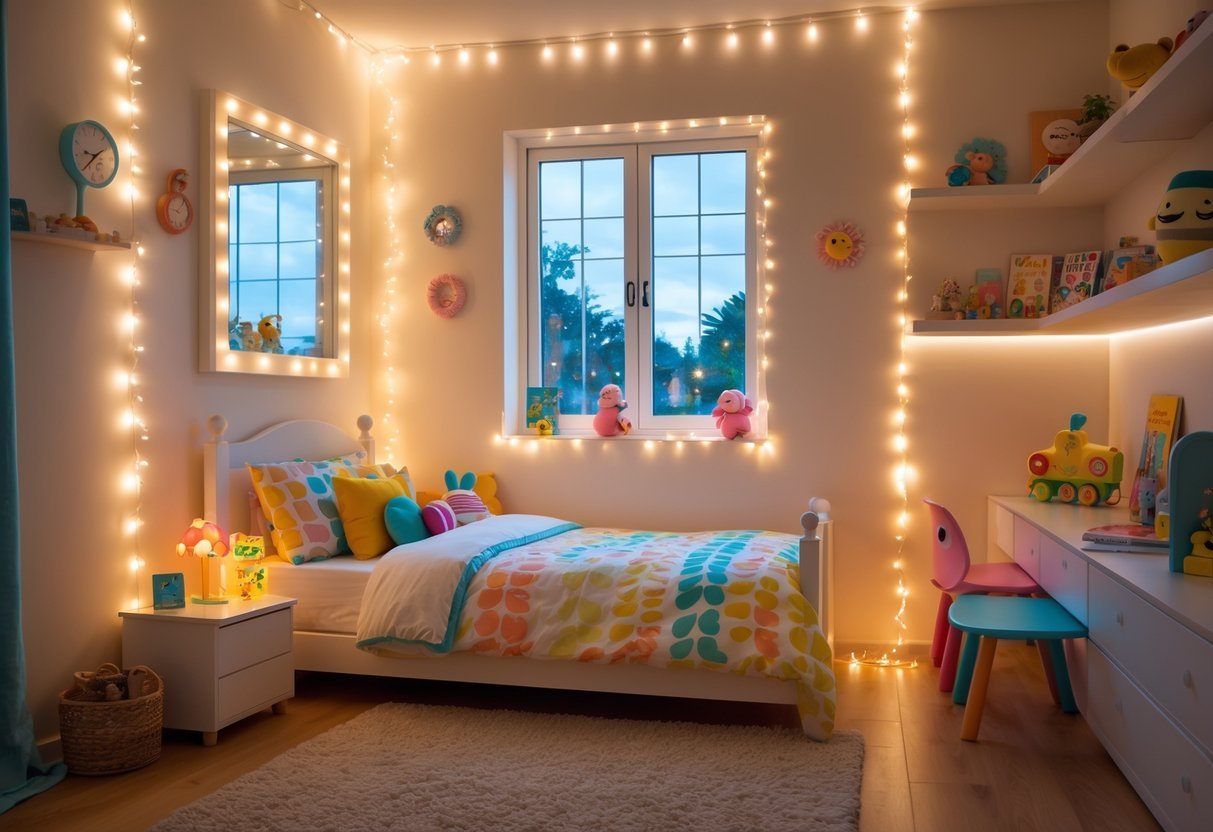
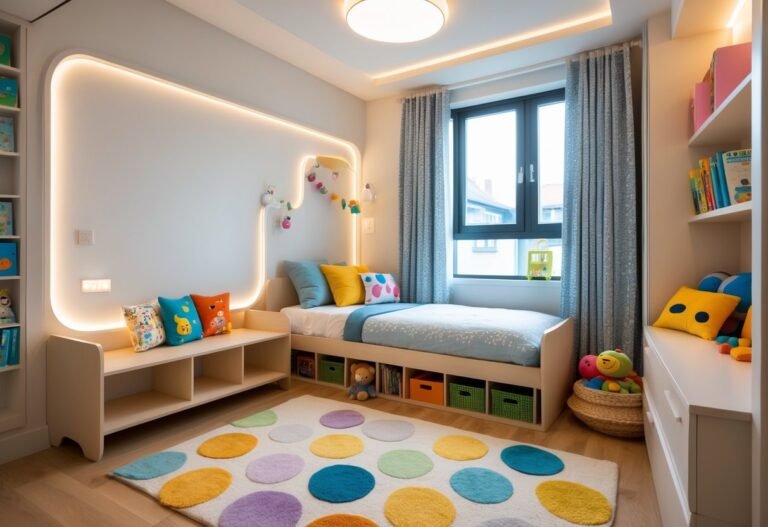
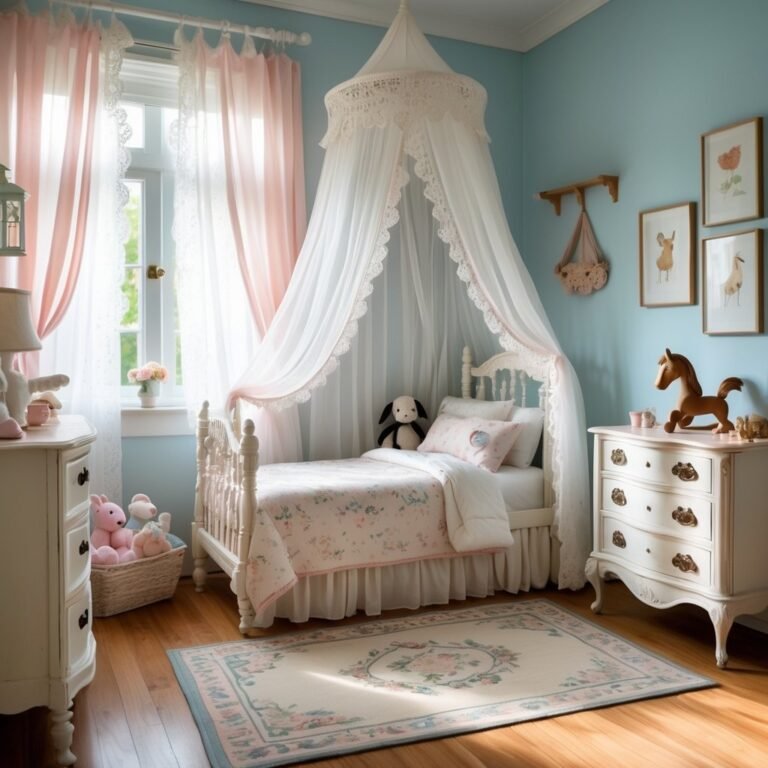
You can drape fairy lights around a canopy, shelf, or headboard to add a warm, cozy glow. They make the room feel calm for bedtime and fun for playtime.
LED strips work well along walls, under beds, or behind desks for color options and dimming. Choose warm whites for sleep areas and soft colors for play zones.
8) Incorporate a chalkboard or whiteboard wall
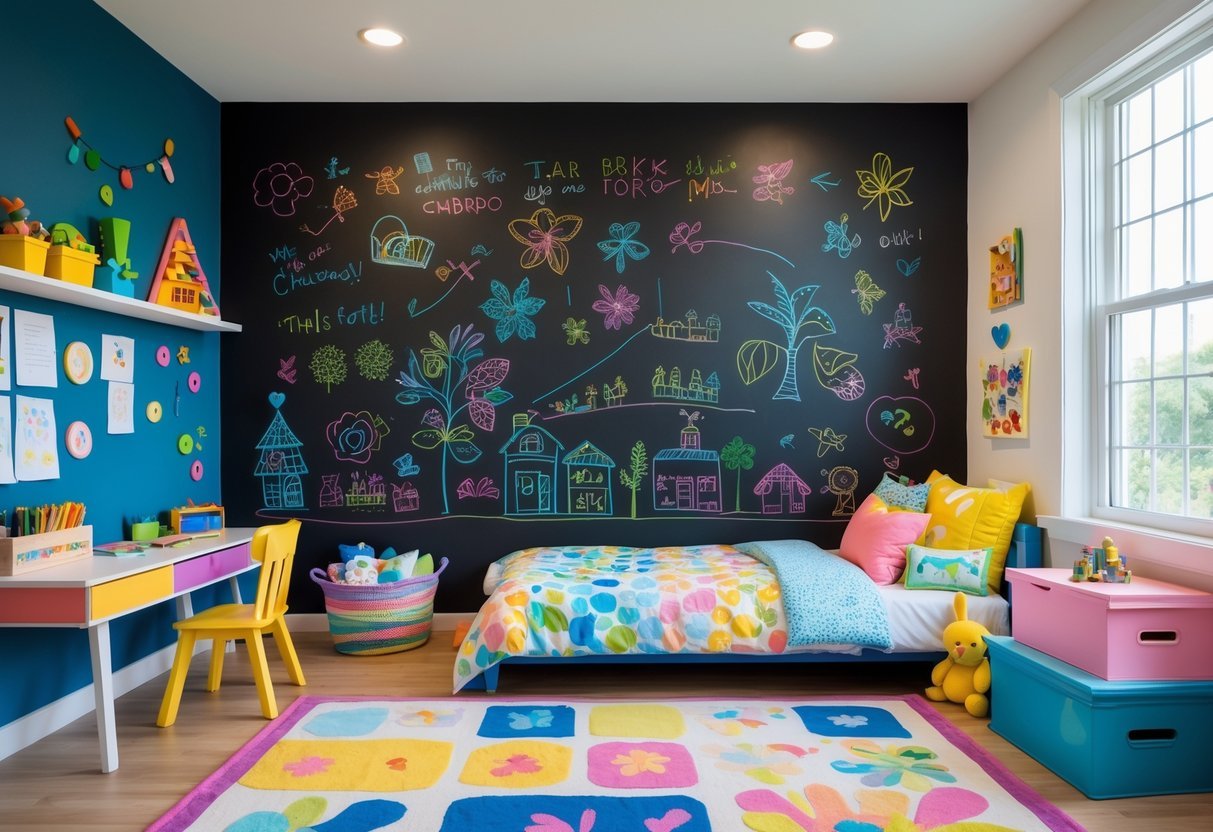
Give your child a wall they can use every day for drawing and learning. You can paint one wall with chalkboard or whiteboard paint to create a reusable, low-cost canvas.
A chalkboard works well for chalk art and handwriting practice. A whiteboard keeps colors bright and wipes clean, which is handy for lessons and games.
Combine magnetic primer with chalkboard paint to add magnets. Keep supplies in nearby bins so kids can reach what they need safely.
9) Select rugs with geometric patterns for texture and warmth
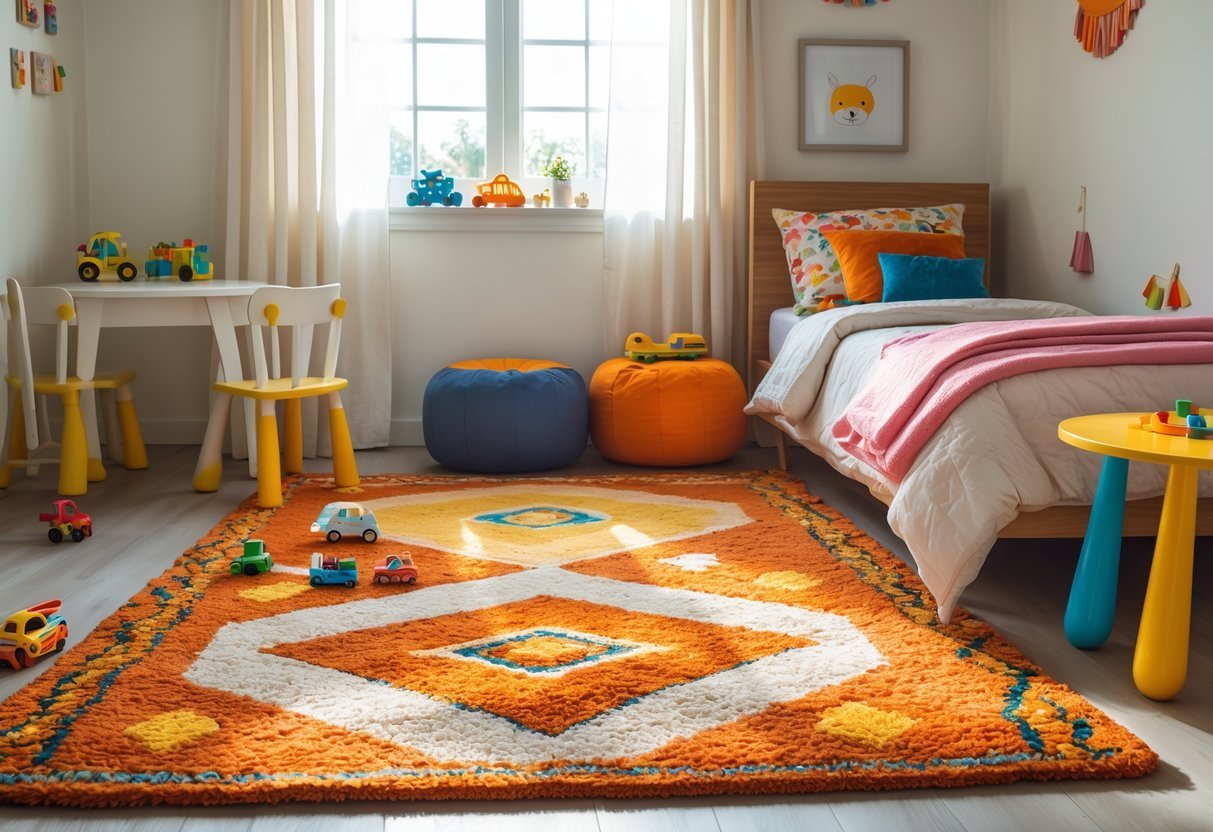
Choose a geometric rug to add shape and color to your kid’s room. Patterns create visual interest without crowding the space.
Pick a rug with a soft pile for comfort during play and naps. Machine-washable or durable materials make spills easier to manage.
Match rug colors to existing decor, or use a bold rug as the room’s focal point. Place it under a play area or bed to define the space.
10) Use under-bed storage bins to maximize space
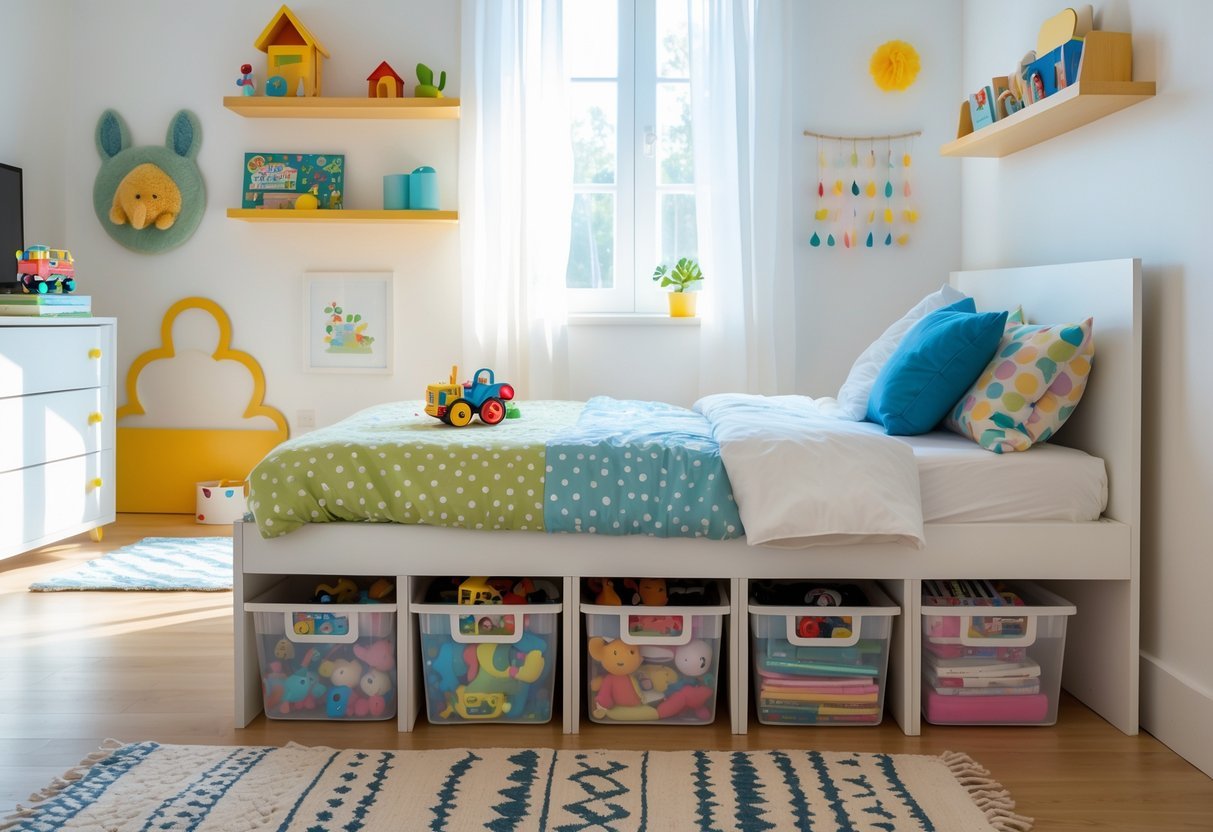
You can slide shallow bins or rolling drawers under the bed to store toys, shoes, and out-of-season clothes.
Choose clear or labeled containers so you can find items without pulling everything out.
Raise the bed a few inches with risers if needed to fit larger boxes.
Wheeled bins make access easy for kids and reduce strain when you pull things out.
Design Principles for Kids’ Rooms
Focus on usable layout, safe materials, and themes that match the child’s age and interests. Prioritize storage, durable finishes, and clear play, sleep, and study zones.
Balancing Functionality and Fun
Place the bed, desk, and main storage along different walls to create clear zones for sleep, work, and play. Use low open shelves and labeled bins for toys so your child can reach and tidy up independently.
Choose multiuse furniture: a loft bed with a play area underneath or a bench with built-in storage saves floor space. Keep a small rug or foam tiles in the play zone for comfort and easy cleaning.
Limit visually busy patterns to one wall or textiles so the room feels lively but not chaotic. Add removable wall decals, changeable art frames, or modular shelving to update the look as your child grows.
Safety Considerations
Anchor all tall furniture to the wall with straps or brackets to prevent tipping. Use outlet covers, cordless window treatments, and corner guards on sharp furniture edges for younger children.
Pick paints labeled low-VOC and wash-resistant. Choose non-slip rugs and keep pathways at least 60–75 cm wide so you can move safely during play. Store small parts and choking hazards in closed bins out of reach for kids under three.
Check toy and furniture labels for age recommendations and sturdy construction. Secure cords, avoid glass decorations near play areas, and install a smoke alarm near the room for added protection.
Choosing Age-Appropriate Themes
Match the theme to current interests, but pick flexible elements that can change easily. For a young child, use a few large character pieces and neutral furniture that won’t need replacing when interests shift.
For school-age kids, create a study-friendly wall with a desk, task light, and pinboard for schoolwork. Let your child help choose paint colors or poster themes to encourage ownership and keep transitions smoother later.
Teen rooms benefit from minimal themed decor and more storage for tech, sports gear, or hobby supplies. Use interchangeable accents—pillows, posters, or peel-and-stick wallpaper—to refresh the room without major cost.
Maximizing Space in Shared Kids’ Bedrooms
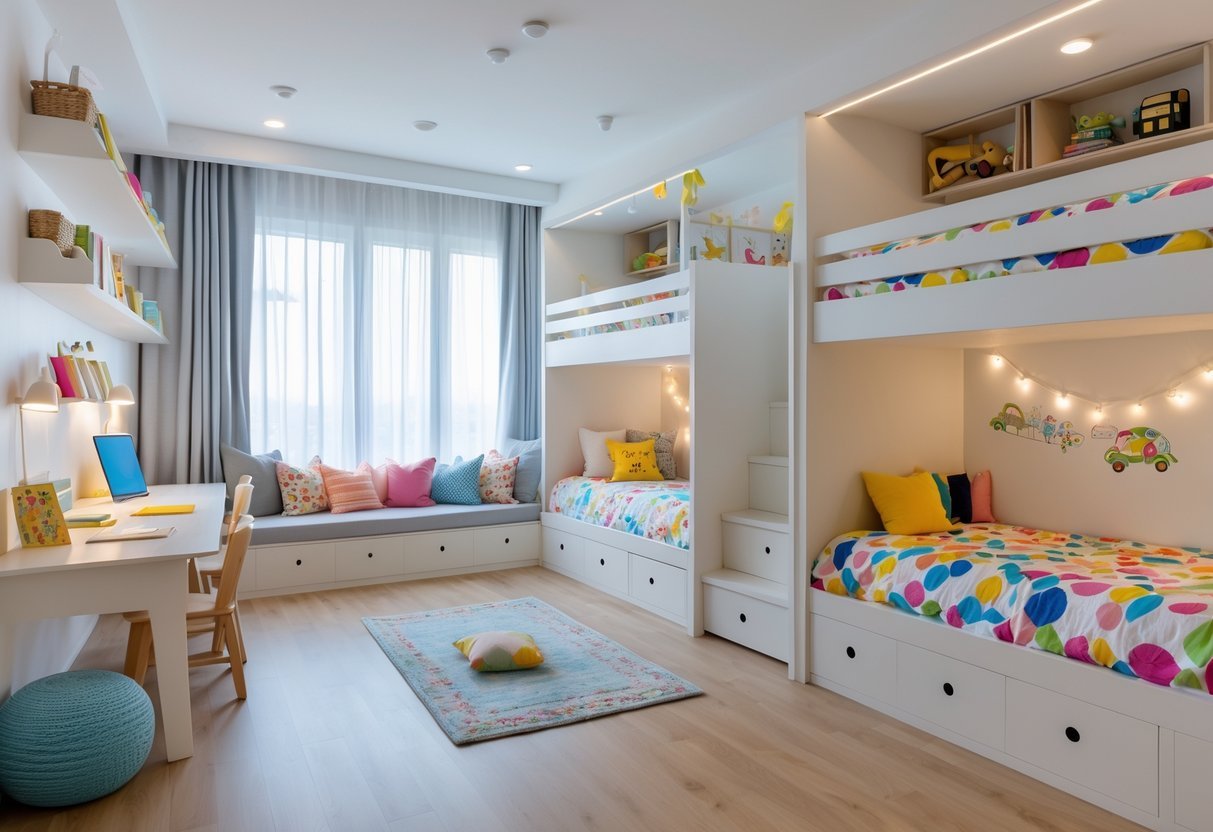
Use vertical storage, multi-use furniture, and clear zones so each child has room to sleep, play, and store belongings. Pick solutions that fit the room’s exact dimensions and your kids’ daily routines.
Optimizing Storage Solutions
Install wall shelves and pegboards up high to keep floor space clear. Use labeled bins on shelves so each child can reach their own toys and clothes. Choose under-bed drawers or rolling bins for off-season clothes and extra bedding.
Pick furniture that doubles as storage: bunk beds with built-in drawers, loft beds with desks underneath, or bench seats with hidden compartments. Anchor tall furniture to the wall for safety. Keep a small laundry hamper for each child to cut down on mixed piles and speed up laundry days.
Use a simple color or label system—stickers or colored baskets—to make cleanup fast. Rotate toys: store half in sealed boxes and swap monthly to reduce clutter and keep play fresh.
Creating Personal Zones
Define each child’s area with rugs, wall color accents, or a curtain on a loft bed. Even a 2-foot-wide shelf or a single pegboard panel can mark personal space and hold items like books, nightlights, and headphones.
Assign specific functions: one corner for reading, one for homework, and a shared play area in the middle. Place desks or study nooks facing a wall or window to limit distractions. Give each child a small corkboard or magnetic board for personal art and schedules.
Keep shared items—trash bin, toy chest, art supplies—in a central, low spot so both kids can access them. Teach simple rules: daily five-minute tidy, labeled storage returns, and respect for the other’s display space.
Frequently Asked Questions
You’ll find specific ways to save floor space, add storage, build a study zone, and pick color themes that stay fresh as your child grows. The tips below show practical products and layout ideas you can use right away.
What are some innovative storage solutions for a children’s room?
Use bunk beds with built-in storage drawers to free up floor space and keep clothes or toys tucked away. Add low, open cubbies so kids can reach toys themselves and learn to put things away.
Install wall-mounted shelves near a reading nook for books and small bins. Try under-bed rolling bins for seasonal items and clear boxes so you can see what’s inside.
Consider modular furniture that adapts as your child grows, like stackable storage cubes or a dresser that converts to a taller unit. Label bins with pictures or words to make cleanup easy for younger kids.
How can you incorporate a study area into a small kid’s room?
Place a slim desk under a loft bed or beside a window to use natural light without losing play space. Pick a desk with built-in shelves or pegboard above it for pencils, paper, and small supplies.
Keep the workspace simple: one lamp, one drawer for papers, and a corkboard for reminders. Use a small, adjustable chair so it fits growing kids and saves space when not in use.
Use vertical storage like wall-mounted file holders and floating shelves to store books and projects without crowding the floor.
What are the latest trends in children’s bedroom colors and themes?
Choose bold accent walls in teal or mustard instead of painting the whole room for a modern look. Use wallpaper murals featuring animals or space themes on one wall to create a strong focal point.
Combine playful patterns with solid colors: a mural, a teal accent wall, and neutral bedding keeps the room lively but not overwhelming. Mix timeless themes like nature or outer space so the room grows with your child.
How to create a shared room that caters to different ages and interests?
Divide the room visually with a rug or different wall colors for each child’s space. Use modular furniture that can be rearranged as needs change, like two single beds with a shared shelving unit between them.
Create separate activity zones: one side for study, one side for play, and a shared reading nook with bean bag chairs and shelves. Give each child a personal storage bin or cubby to hold their own items and reduce conflicts.
What are the best furniture pieces for maximizing space in a kid’s room?
Choose bunk beds or loft beds to free up floor space for play or study underneath. Pick pieces with built-in storage, like beds with drawers or desks with shelves.
Use slim dressers and wall-mounted storage to keep the floor clear. Opt for modular units that can be reconfigured as your child’s needs change.
How can lighting be used to enhance the functionality and ambiance of a kid’s bedroom?
Use layered lighting: a ceiling light for general use, a desk lamp for homework, and a reading lamp near bean bag chairs. Install dimmers or smart bulbs so you can lower brightness for bedtime.
Add string lights or a small nightlight near the reading nook to create a cozy corner without harsh glare. Place task lighting over the study area to reduce eye strain and improve focus.