10 Living Room Ideas to Maximize Space, Style, and Comfort
You want a living room that looks good and works for your life. This post gives 10 practical ideas you can use to refresh your space, from layout moves that improve flow to styling tips that make the room feel like yours. You’ll get simple, actionable ideas to modernize, cozy up, and personalize your living room without a major overhaul.
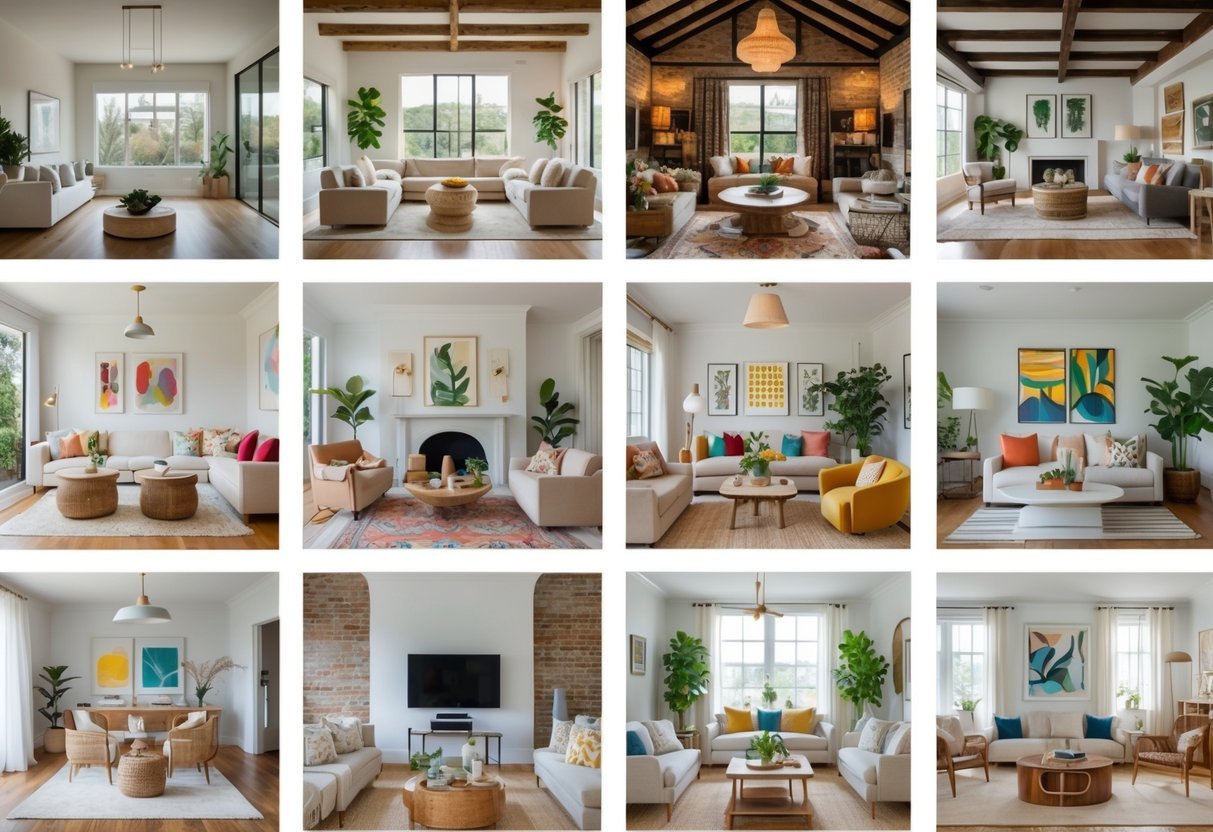
Flip through the ideas to find quick wins and bigger projects you can try, whether you want cleaner lines, bolder accents, or a softer, more comfortable feel. Each idea explains what to change, why it works, and one clear step you can take right away.
Key Takeaways
- Find practical updates that improve both style and function.
- Use small styling moves to make the room feel cozier and more personal.
- Pick one reachable change to get visible results fast.
Modern Living Room Ideas
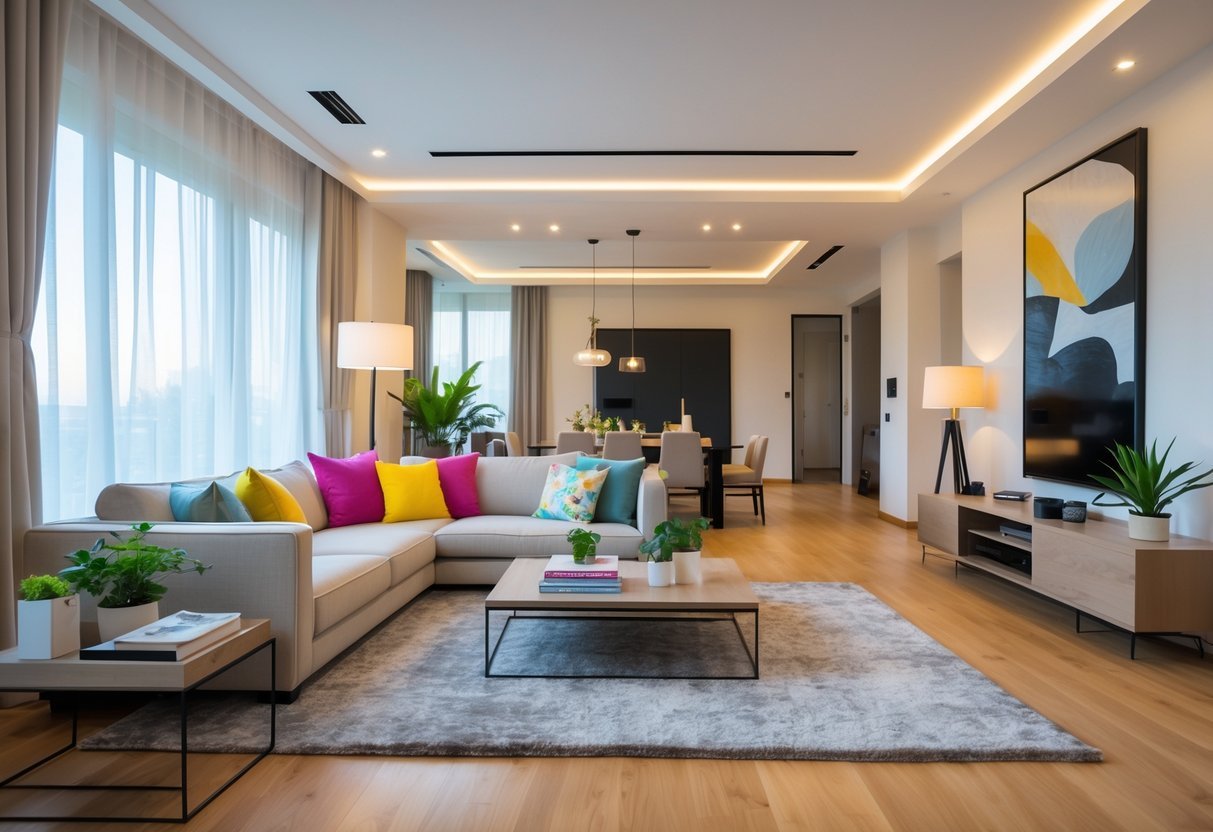
You’ll find clean lines, open flow, and calm colors that make the room feel fresh and functional. The ideas below focus on furniture, layout, and color choices that work together to create a modern look you can live in.
Minimalist Design Concepts
Keep only what you use and love. Choose a sofa with a slim profile and neutral upholstery, then add one bold accessory like a textured rug or a single piece of art. Let surfaces stay clear: store remotes, books, and cables inside a low console or hidden drawers to preserve the calm.
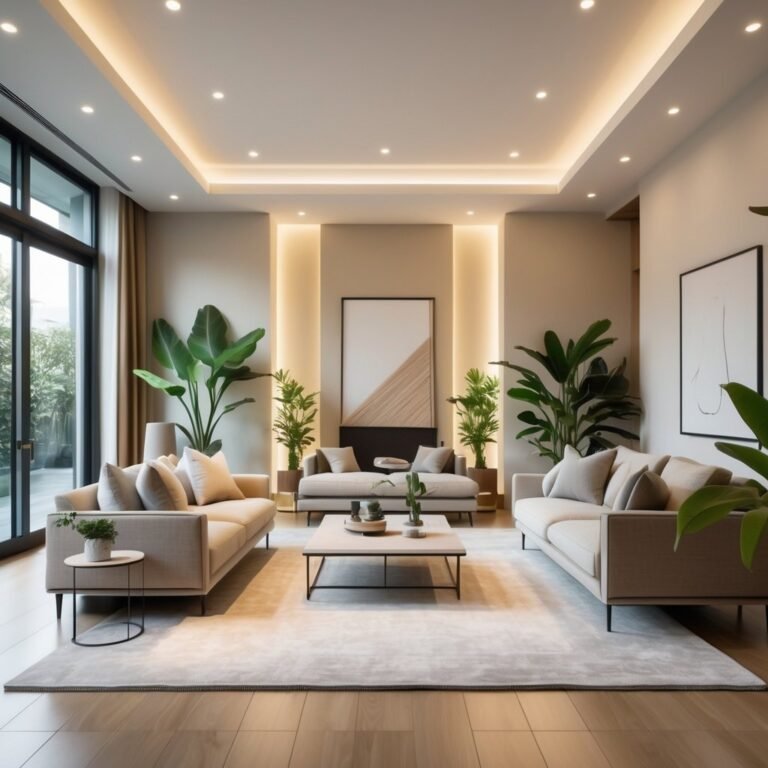
Use two or three materials for contrast—wood floors, a metal coffee table, and a cotton throw. Stick to simple lighting: a floor lamp by the seating and recessed lights for even glow. Pick functional decor: a clock, a plant, and one sculptural object. This gives you a tidy space that still feels warm.
Open-Concept Layouts
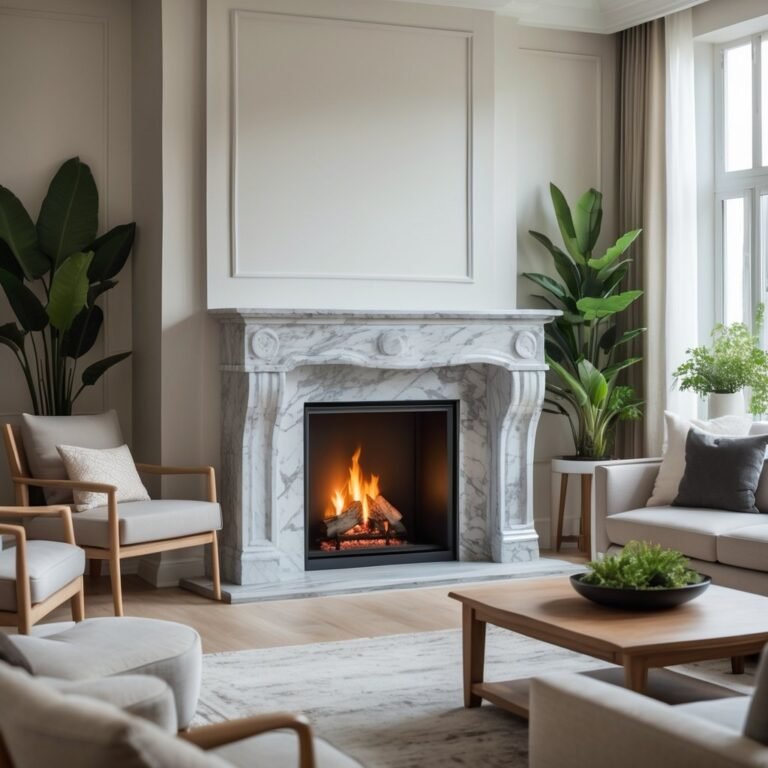
Define zones without walls. Place the sofa back-to-back with a dining area or use a large rug to mark the seating zone. Angling furniture toward a focal point, like a TV or fireplace, creates flow while keeping sightlines open.
Balance scale and circulation. Leave at least 30–36 inches of walking space around furniture so people move freely. Use low-profile storage such as a streamlined media cabinet to keep the floor plane visible. Add a narrow console behind the sofa for lamps and keys without blocking the path.
Contemporary Color Palettes
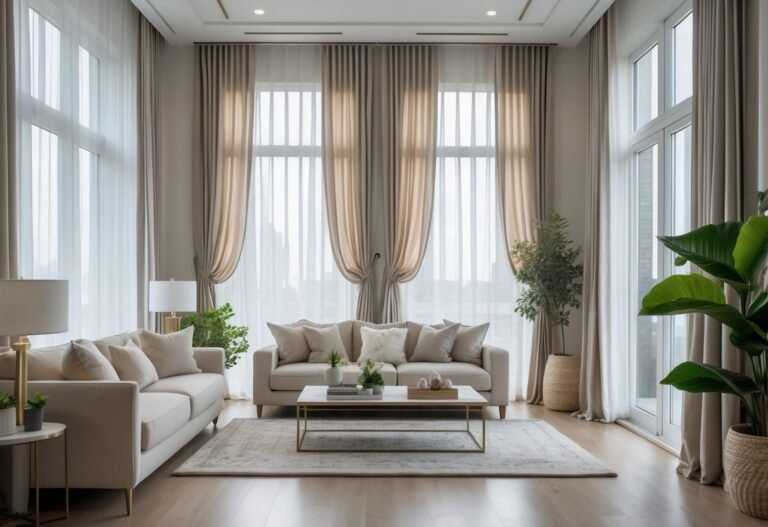
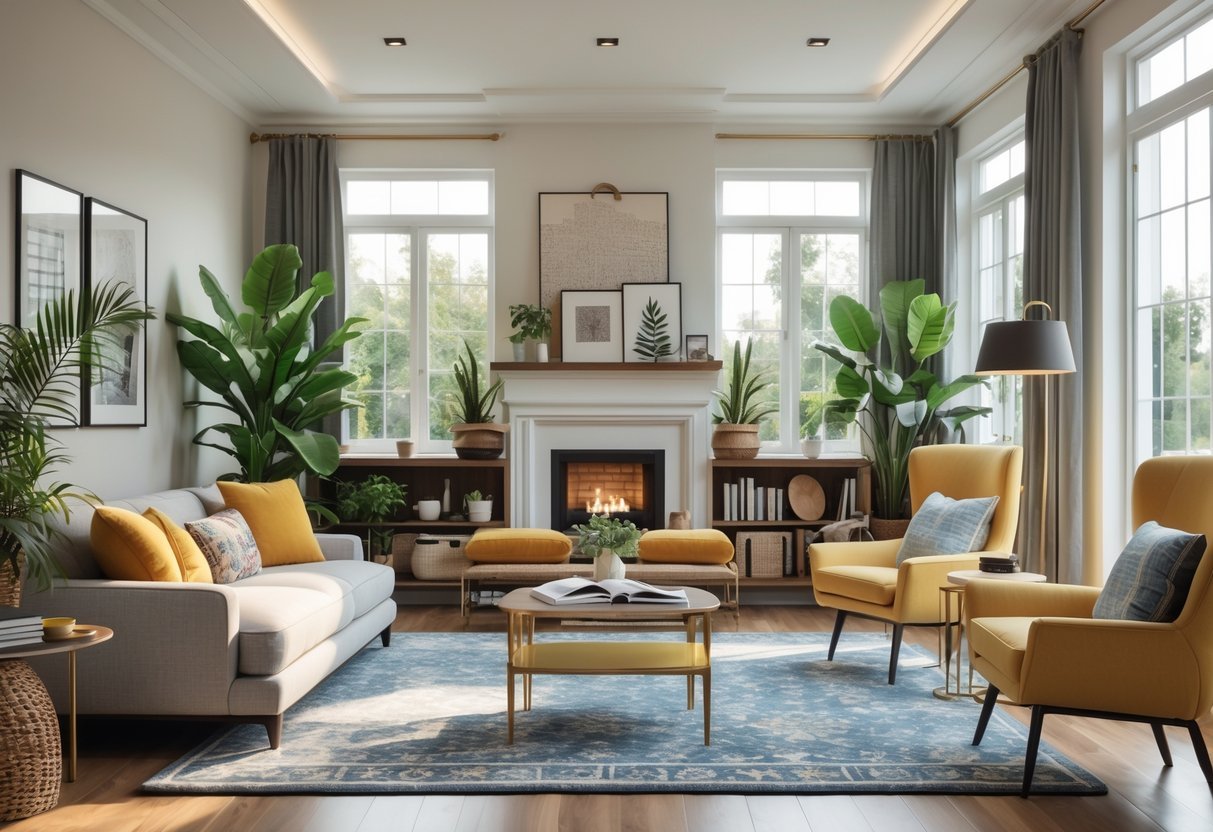
Start with a base of two neutrals—warm gray and off-white work well—and add one accent color. Choose accents in one or two places: throw pillows, an armchair, or window treatments. This keeps the room cohesive and easy to update.
Consider materials when selecting color. Matte finishes mute color intensity; glossy surfaces pop more. For a soft modern look, pair muted greens or dusty blues with light wood. For higher contrast, use deep charcoal or navy against crisp white and brass hardware.
Cozy and Functional Living Room Concepts
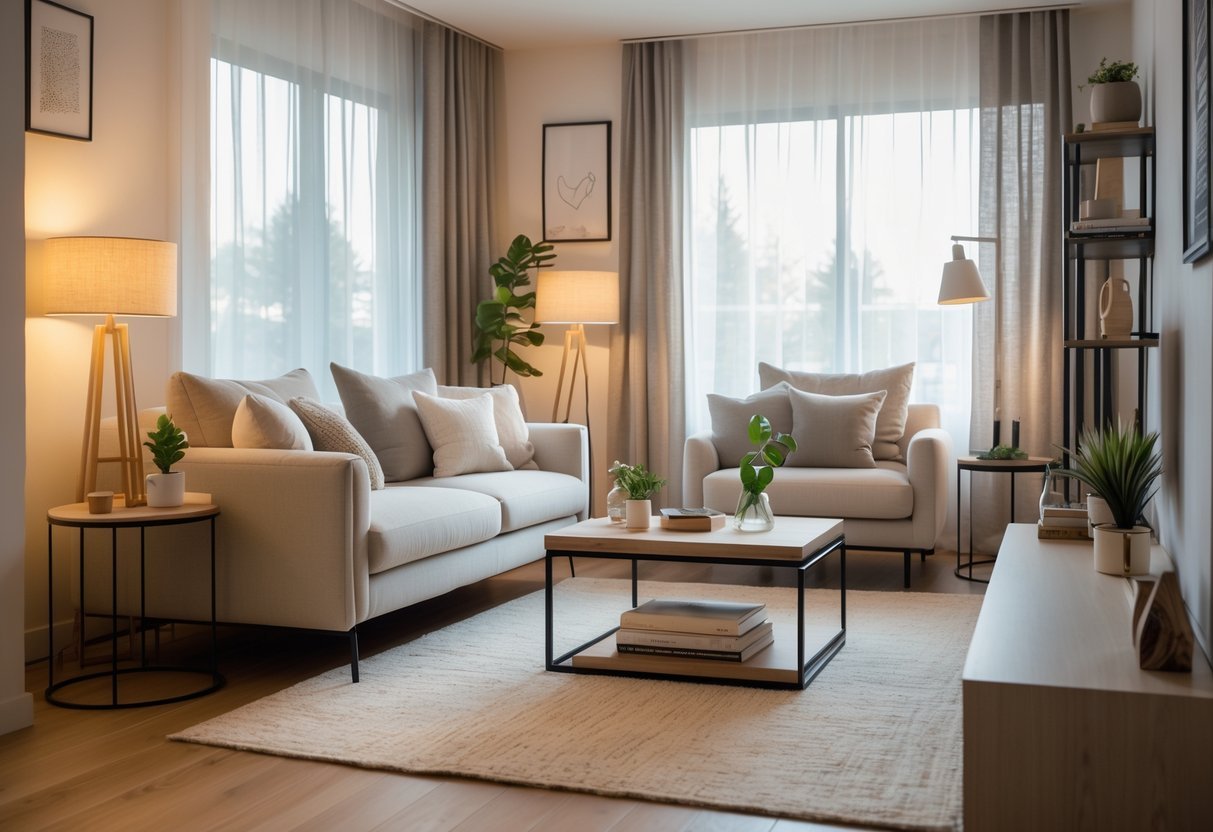
Create a warm feel while keeping the room easy to use. Choose pieces that do double duty, add smart storage, and plan for clear walkways and flexible seating.
Multi-Purpose Furniture Solutions
Pick furniture that serves more than one task to save space and add function. A storage ottoman gives you seating, a footrest, and a place for blankets or kids’ toys. Look for ottomans with removable lids and durable fabric for frequent use.
Sofas with built-in sleepers or chaise sections add a guest bed without a spare room. Choose a sofa bed with a thin, high-quality mattress and a frame that folds smoothly. If you need occasional workspace, a console table that converts to a desk fits against a wall and pulls out when you work.
Use nesting tables or a coffee table with lift-top storage. Nesting tables let you expand surface area for guests and tuck away when not needed. A lift-top table gives you a stable place for laptops or meals without balancing on cushions.
Creative Storage Ideas
Target visible clutter first. Install floating shelves above a media stand to display books and framed photos while keeping the stand drawers closed for remotes and cables. Use labeled baskets on lower shelves for toys, magazines, and chargers so everything has a home.
Choose furniture with hidden compartments. Look for side tables with drawers or built-in magazines racks. In open shelving, mix closed cabinets and glass-front sections to balance display with concealed storage.
Use vertical space and corners. Slim bookcases beside windows or a tall, narrow cabinet beside a sofa adds storage without taking up a lot of floor area. Mount a pegboard inside a cabinet door to hold small tools, spare batteries, and charging cords.
Maximizing Small Spaces
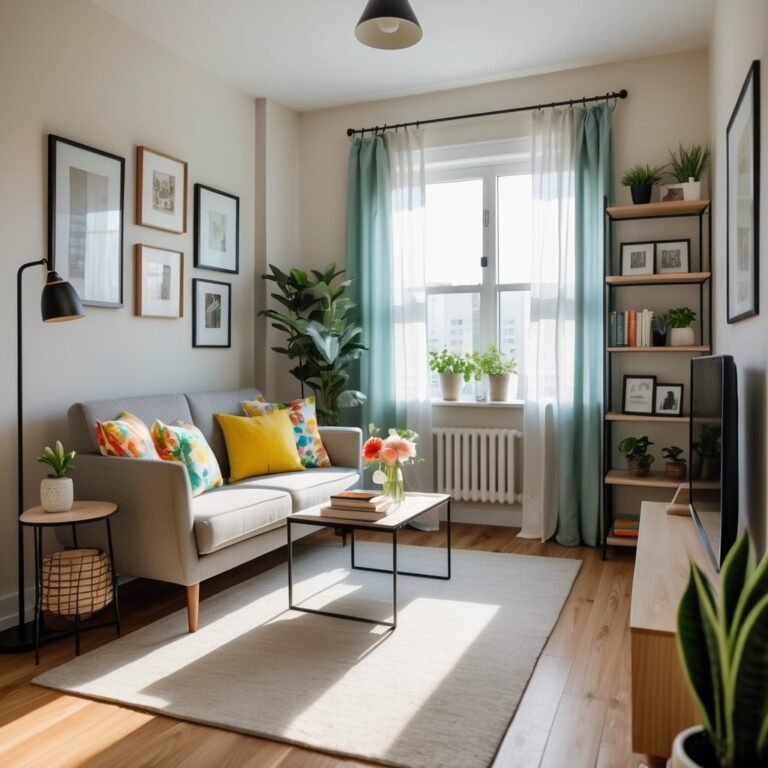
Arrange seating to create clear pathways and focal points. Place a small sofa facing the main window or TV, with a slim armchair angled to keep traffic flow open. Avoid lining furniture against every wall; create conversation zones instead.
Use light colors and layered lighting to make the room feel larger. Choose a neutral rug that fits under the front legs of all seating to unify the area. Select furniture with exposed legs to show more floor and create a sense of openness.
Adopt foldable and stackable pieces. Folding chairs can sit in a closet and bring extra seating when needed. Wall-mounted drop-leaf tables serve as dining or work surfaces and fold flat when not in use.
Personalized Touches and Styling Tips
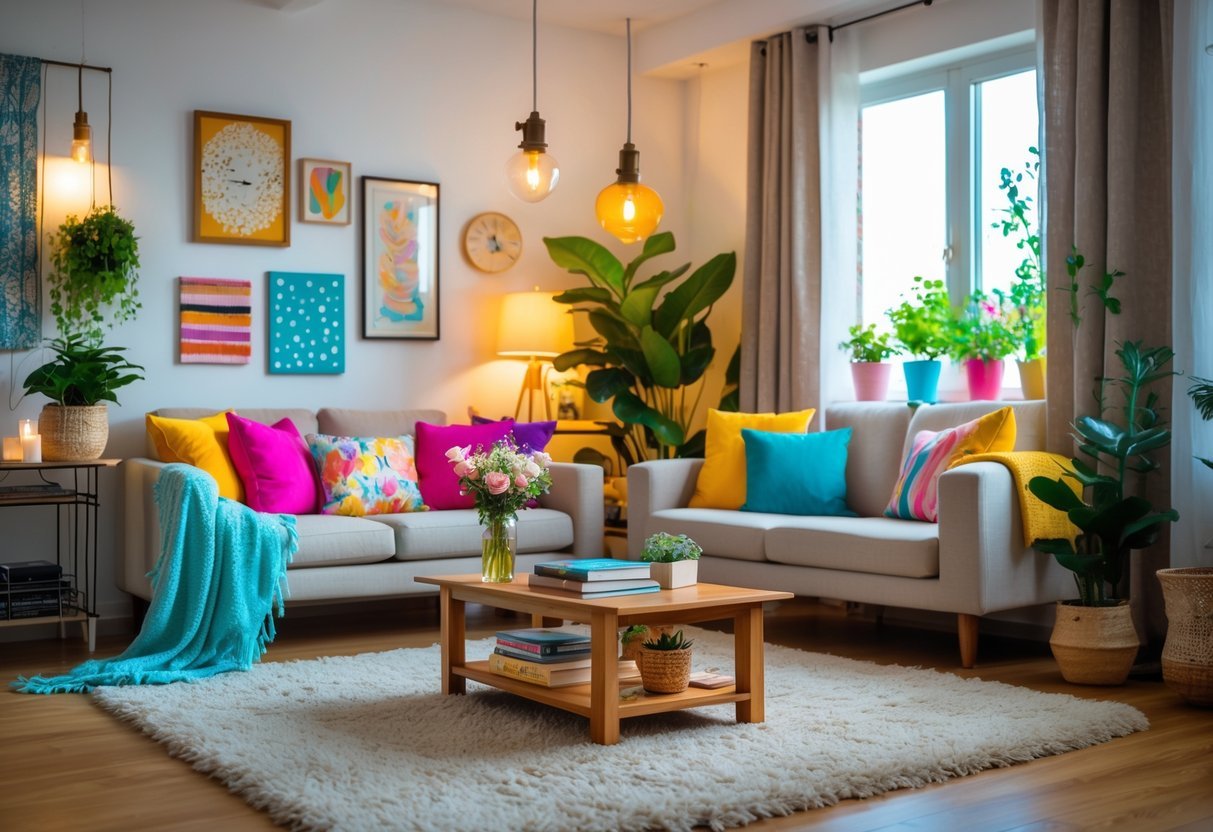
Add items that reflect your life, then edit down to keep the room balanced. Mix framed photos, a few meaningful objects, and practical accents like lamps and throw blankets to make the space feel lived-in and tidy.
Incorporating Art and Decor
Choose art that speaks to you and fits the room scale. One large piece above the sofa reads better than many small frames crowded together. If you prefer a gallery wall, use a consistent frame color or mat size to keep it orderly.
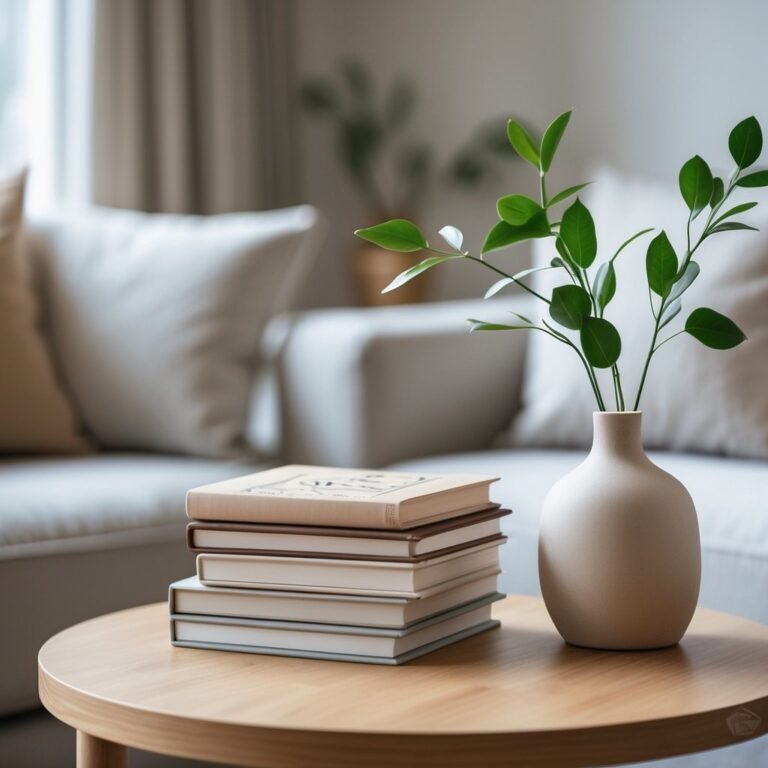
Use three types of decor: wall art, tabletop objects, and textiles. Place a sculptural object on a low shelf, a small vase on the coffee table, and a statement pillow on the chair. Rotate one item each season so the room stays fresh.
Think about color and contrast. Pull two colors from a painting and repeat them in cushions or a rug. That creates a linked, intentional look without matching everything. Leave some negative space so each piece can be seen.
Accent Wall Inspirations
Pick one focal wall to anchor the room. Paint it a deep blue or warm terracotta behind the main seating to add depth without overwhelming the space. Use matte paint for a cozy feel and satin for easier cleaning.
If you prefer texture, install removable wood slats, beadboard, or a peel-and-stick wallpaper. These options add interest and are reversible if you rent. Keep adjacent walls neutral to avoid visual clutter.
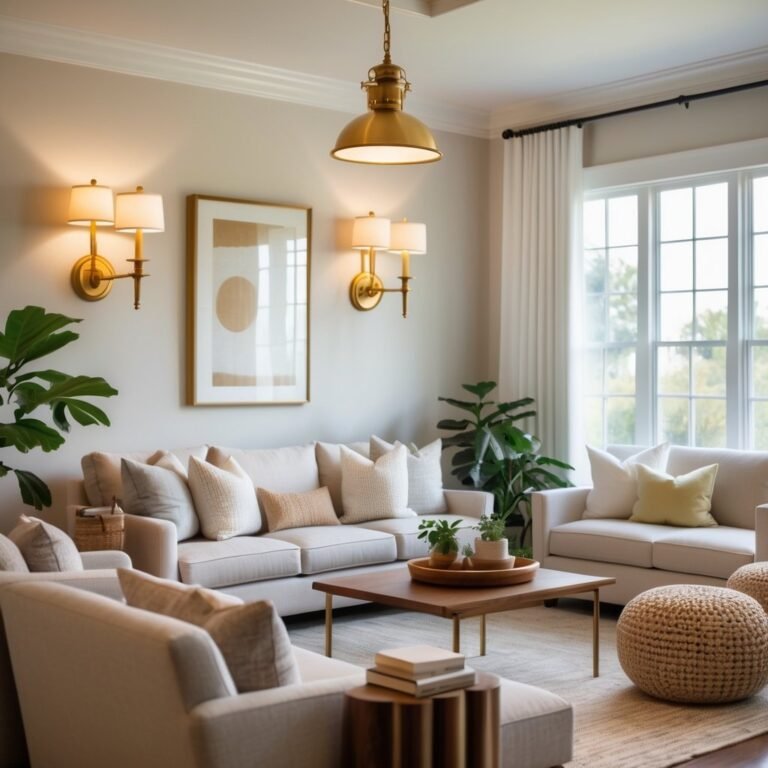
Add functional accents to the wall. Install floating shelves to display books and plants, or mount picture ledges to change art easily. Use wall lighting, like adjustable sconces, to highlight the wall and create layered light.
Seasonal Updates for Living Rooms
Plan small swaps you can do in under an hour. Change throw pillow covers, swap a rug, or switch a lampshade to update the mood without a big project. Store off-season items in clear bins so you can rotate quickly.
Use textiles to shift temperature and tone. Bring in wool throws and velvet pillows for winter, and swap to linen and lighter colors for summer. Add a couple of seasonal plants—an evergreen sprig for winter or a trailing ivy for spring.
Keep a simple checklist for each change: swap textiles, update one decor group (coffee table or mantel), and change a scent (candle or diffuser). Small, regular updates help your living room feel intentional and inviting.
Frequently Asked Questions
These answers focus on practical steps: how to place furniture, pick modern touches, add simple decor, fit a TV stylishly, save money, and use the 70/20/10 color rule in your living room.
How can I arrange furniture in a 10 by 10 living room for optimal use of space?
Place a small sofa or loveseat against one wall to free central floor space. Use a slim coffee table and pair of small chairs or poufs that can move as needed.
Anchor the layout with a rug sized to fit the main seating area, not the whole room. Mount shelves or use a narrow console for storage to keep the floor clear.
Choose multiuse pieces like an ottoman with storage or a fold-out side table. Keep walking paths at least 2 feet wide to avoid cluttered traffic flow.
What are some modern design strategies for small living rooms?
Pick a simple color palette with 2–3 related colors to keep the room calm. Use light wall colors and reflective surfaces like mirrors to make the space feel larger.
Choose furniture with exposed legs and slim profiles to create visual air. Add layered lighting—overhead, task, and a floor lamp—to brighten corners.
Use vertical storage like tall bookshelves to draw the eye up. Keep patterns minimal; one bold accent piece works better than many small prints.
Which simple decorations can I use to enhance my living room’s aesthetics?
Add one or two large art pieces instead of many small frames to reduce visual clutter. Use throw pillows and a single textured blanket for instant warmth.
Place a plant or two for color and fresh air. Swap frames or pillow covers seasonally to change the look without big expense.
How do I incorporate a television into my living room layout without compromising style?
Mount the TV on the wall at eye level when seated to save furniture space. Build a simple media shelf or low cabinet below it to hide wires and store devices.
Frame the TV with matching shelves or art so it reads as part of the room, not the focal point. Use a slim console or floating cabinets to keep the area tidy.
What are the best ways to decorate a small living room on a budget?
Shop outlet stores, thrift shops, or online marketplaces for secondhand furniture. Repaint existing pieces and swap hardware to refresh them cheaply.
Use area rugs and throw pillows to change color and texture affordably. Add DIY art or framed prints you can change over time.
What is the 70/20/10 decorating rule, and how does it apply to living room design?
The 70/20/10 rule splits color and emphasis in a room: 70% is the main color, 20% is the secondary color, and 10% is the accent. Use the main color on walls and large furniture, the secondary color on rugs or curtains, and the accent for pillows, art, or a bold chair.
Keep the 70% calm and consistent, the 20% complementary, and the 10% bright or high-contrast. This balance keeps the space cohesive and visually interesting.